Skip to content

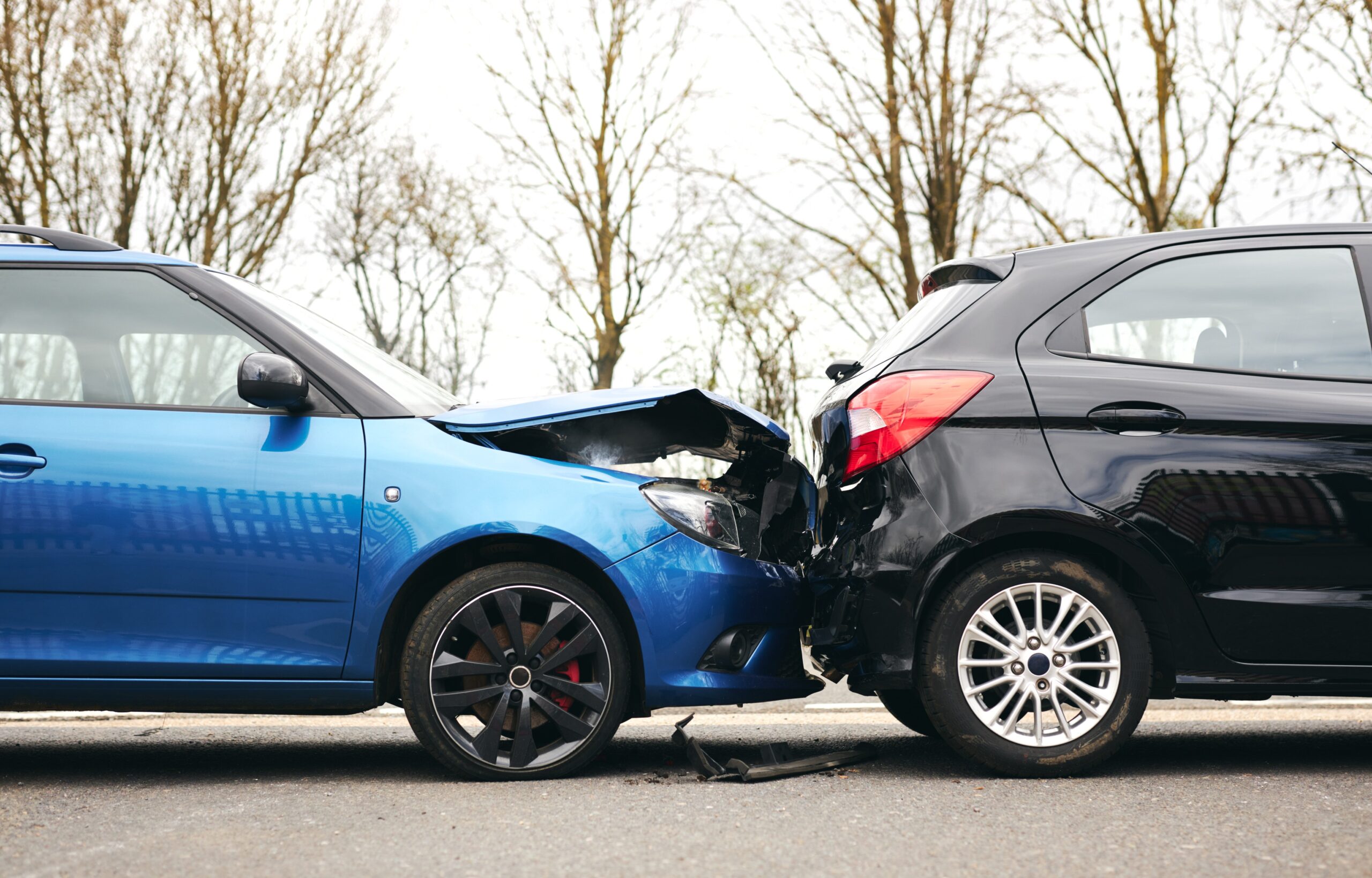
The first two days after a car collision can shape what evidence survives, what treatment gets documented, and how insurers assess responsibility. Small decisions during this period often affect a later injury claim. Drivers should focus on medical care, accurate records, preserved evidence, and careful communication. Florida’s no-fault insurance system adds another layer because personal injury protection applies after many crashes. The first five steps help organize those priorities before details disappear.
1. Get Medical Care And Follow The Record
Seek medical evaluation as soon as possible, even when pain seems manageable. Some injuries become clearer later, while medical records create a dated account of symptoms and treatment.
Anyone reviewing legal options after a Tampa collision needs facts about the crash, injuries, insurance coverage, and resulting losses. Legal help after a car accident in Tampa can help you assess how those facts fit Florida’s rules. Early legal guidance also helps preserve evidence before important details become harder to verify during early claim review stages.
Follow treatment instructions and keep appointment records, discharge papers, prescriptions, referrals, and bills. A consistent medical record links the collision to the care you receive and documents ongoing costs.
A patient should also note symptoms that worsen, appear later, or interfere with sleep, movement, or work. That record gives medical providers more precise information during follow-up visits and helps preserve a clear symptom history.
2. Preserve Evidence Before It Changes
Photograph the vehicles, damage, roadway, traffic controls, debris, visible injuries, and surrounding property. Capture multiple angles before repairs, towing, cleanup, or weather alters the scene.
Save dashcam footage, phone photographs, witness information, towing records, and police documents. Do not edit original files, crop evidence, or discard damaged parts without first documenting them.
Keep original photographs in their native form and back them up in a secure location without altering metadata. Also note whether cameras, businesses, or homes near the scene could hold recordings that need timely preservation.
Write a brief written timeline while memories remain fresh. Record the time, location, direction of travel, weather, impact sequence, statements made at the scene, and what happened immediately afterward.
3. Report The Collision And Notify The Insurer
Follow Florida’s reporting requirements and provide accurate crash information to the appropriate authorities. Obtain the report number and keep a copy once the document becomes available.
Notify the applicable insurance carrier promptly, but keep the statement factual and limited throughout. Give the date, location, vehicles involved, and known injuries without guessing about fault or future medical outcomes.
Do not provide a recorded statement without first considering legal advice. Insurance adjusters use statements to evaluate claims, so speculation about speed, distraction, injuries, or responsibility can create avoidable problems.
4. Track Every Loss From The Crash
Keep receipts and records for medical treatment, medications, transportation, vehicle repairs, and other collision-related expenses. Save pay stubs and employer records when an injury causes missed work or reduced earnings.
A claim can include more than immediate hospital charges. Depending on the facts, you may recover future medical expenses and lost future earnings. Other damages can include pain and suffering, property damage, mental anguish, and other losses.
Create one folder for every document connected to the collision. A simple chronology makes it easier to compare treatment dates, missed work, payments, communications, and repair records.
A claims file should clearly separate expenses already paid from remaining expected costs.
5. Be Careful With Communications And Social Posts
Avoid posting photographs, videos, or comments about the collision, injuries, or recovery. Insurers can review public material and compare it with statements made during a claim.
Keep communication with adjusters, medical providers, repair shops, and employers organized. Record dates, requests, payments, and deadlines, then store related emails or letters together.
Serious injuries also require attention to legal deadlines. Florida law changes, including tort reform enacted in 2023, can affect how an auto accident claim proceeds. A Tampa attorney can review the facts and identify the rules that apply before a deadline passes.
Conclusion
The first 48 hours should produce a clear record, not a hurried decision about the final value of a claim. Medical documentation, scene evidence, accurate reporting, organized expense records, and restrained communication give a later review better facts to work with. Anyone facing significant injuries or disputed responsibility should preserve every relevant document and promptly seek case-specific legal advice. That step can clarify available claims, insurance issues, and what evidence to preserve next.