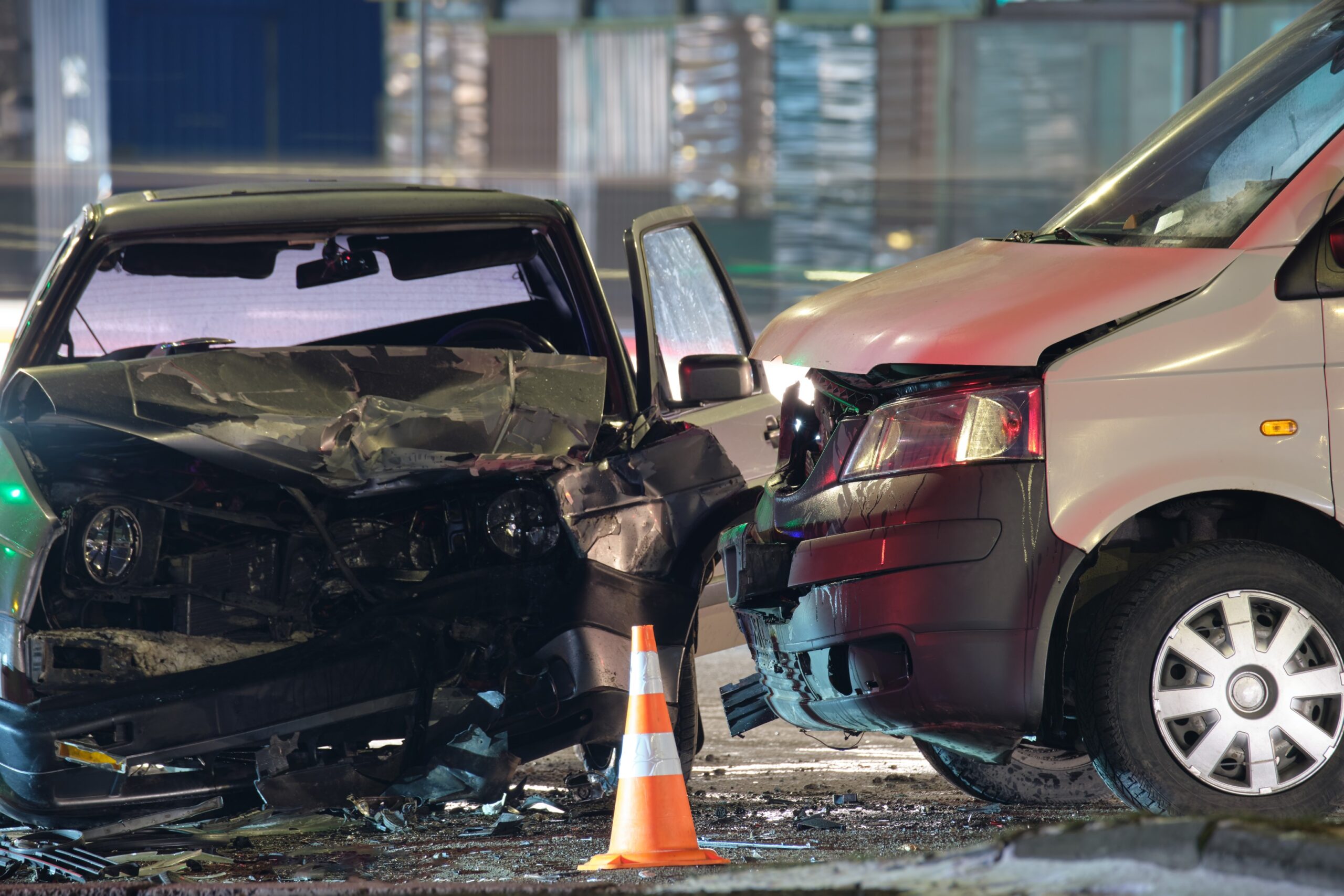
The body shop did great work. The paint matches perfectly, the panels line up, and your car honestly looks better than it did before the crash. You drive off the lot feeling relieved. The whole mess is finally behind you. Or so it seems.
A year later, you decide to trade it in. The dealer runs a vehicle history report, frowns, and makes an offer that’s thousands lower than you expected. The reason? That accident on the record. Even a flawless repair can’t erase it.
That gap is maddening, and a lot of drivers never see it coming. The car got fixed, but its market value didn’t fully bounce back. That hidden financial hit is real, and in certain situations, it may be something you can pursue.
Why a Perfect Repair Doesn’t Always Restore Market Value
Repair costs and market value are two different things. A body shop restores a car’s function and appearance. It can’t restore the clean history buyers love. Once an accident shows up on a report, many buyers treat the car differently. Perception becomes price.
That’s where diminished value claims come in. They aim to address the drop in a vehicle’s value that remains after appropriate repairs. The idea is simple. If someone else damaged your car, you shouldn’t absorb a loss that repairs couldn’t fix.
The most common version is inherent diminished value, the loss that comes simply from having an accident history. Other versions involve poor repairs that leave the car worth less. Each type raises different questions about evidence and responsibility. The distinction matters.
What Makes Buyers Nervous About Accident History?
Hidden damage is the big fear. Buyers worry about problems the repair shop might have missed, like a slightly bent frame or a sensor that’ll act up later. Even if nothing’s wrong, the uncertainty alone can push offers down.
Structural repairs raise even bigger red flags. If the frame or unibody was damaged, buyers may wonder about crash safety and alignment down the road. Long-term reliability questions, like future rust or electrical issues, can make cautious buyers walk away completely. Doubt is expensive.
Vehicle history reports make all of this visible. A quick search can reveal a reported accident, and many buyers and dealers treat that as an automatic reason to offer less. Perception plays a huge role, regardless of how good the repair actually was.
How the Loss in Vehicle Value May Be Measured
The basic idea compares two numbers. What was the car worth right before the accident, and what is it worth now after repairs? The difference between those two values is the starting point for measuring the loss. Simple in theory.
Comparable sales help ground the estimate. Looking at similar vehicles with and without accident histories, matched for year, make, mileage, and condition, can show how the market actually treats a car like yours. Real-world data beats guesswork every time.
Professional appraisals often carry the most weight. An independent appraiser can evaluate the vehicle, review repairs, and analyze market data to estimate the loss. Insurers may use their own formulas, which sometimes produce much lower numbers than an independent appraisal. Expect some pushback.
What Oklahoma Drivers Should Know About These Claims
Fault is the foundation. These claims are generally pursued against the driver who caused the crash, usually through that driver’s liability insurance. If you caused the crash, the picture changes considerably, and recovery may not be available. Fault sets the stage.
There’s an important difference between third-party claims and claims against your own insurer. A claim against the at-fault driver’s insurance is a third-party claim. Whether your own policy covers diminished value depends on its language and applicable Oklahoma law. Read your policy closely.
Evidence makes or breaks these claims. Repair records, photos, pre-accident condition, and appraisal reports all help. Acting before selling or trading the car is often smart, since the vehicle itself is a key piece of evidence. Don’t trade it in too soon.
Conclusion
Fixing the car doesn’t always fix the financial loss. A flawless repair can still leave a vehicle worth less, simply because of what shows up on its history report. That loss is real money, and it shows up at trade-in time.
Diminished value claims try to address that gap. Measuring the loss usually involves pre-accident value, post-repair value, comparable sales, and professional appraisals. Fault and insurance coverage determine who might be responsible for paying. Documentation is everything.
If someone else damaged your car in Oklahoma, ask whether diminished value applies before you sell or trade. A qualified attorney or experienced appraiser can help evaluate the loss and explain how a claim might work. Don’t leave money on the table.