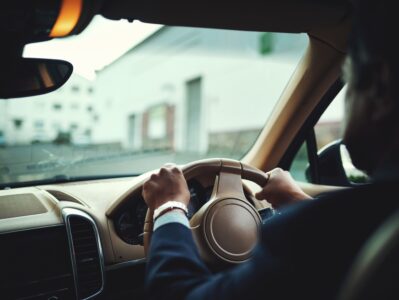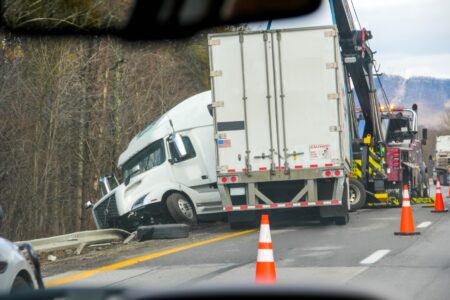

It’s late, and you’re heading home. Maybe from a shift, maybe from dinner with friends. The streets are quieter now, the lights blink yellow, and you’re thinking about your bed. Then a car blows through a red light and everything goes white.
Crashes caused by impaired drivers have a special kind of unfairness. You didn’t drink. You didn’t make the dangerous choice. You just happened to be on the same street at the same moment as someone who decided they were fine to drive.
In a split second, an ordinary trip becomes a medical emergency. Sirens, an ambulance ride, questions you can’t answer yet. For victims and families, the hours and days after that crash can feel overwhelming, confusing, and deeply unfair. Nobody signs up for this.
Why Impaired Driving Creates Danger for Everyone Nearby
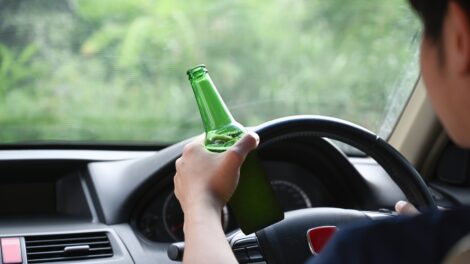
Alcohol messes with the exact skills driving requires. An intoxicated driver in Brooklyn may struggle with judgment, react more slowly, and have trouble with coordination. Those three problems together make a vehicle far more dangerous than its driver realizes. Confidence goes up while ability goes down.
Brooklyn’s streets magnify the risk. There’s very little buffer between moving cars and everyone else. Pedestrians cross at every corner, cyclists ride in bike lanes just a few feet away, and parked cars line the curb. An impaired driver has almost no room for error.
Other motorists face danger too. Drifting into oncoming lanes, rear-ending stopped traffic, or running red lights can cause violent collisions. The people hurt in these crashes often had no chance to react, because nothing about their own driving put them in harm’s way.
The Split-Second Decisions Alcohol Can Distort
Speed selection often goes sideways. Impaired drivers may speed without realizing it, or crawl unpredictably slowly. Either way, they’re out of sync with the flow of traffic, which surprises everyone around them and makes collisions more likely. Other drivers can’t read them.
Lane positioning suffers too. Weaving, drifting over lines, or swinging wide on turns can put an impaired driver directly in someone else’s path. On narrow city streets lined with parked cars, a few feet of drift can be the difference between a close call and a crash.
Hazard recognition and braking slow down. A pedestrian in a crosswalk, a stopped bus, or a changing light may register too late. Intersections become especially dangerous, since they require quick judgments about timing, gaps, and right of way all at once. Alcohol blurs every one of them.
How an Alcohol-Related Collision Is Investigated
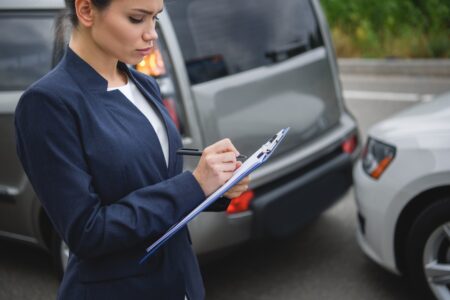
Police observations are often the starting point. Officers may note slurred speech, the smell of alcohol, bloodshot eyes, or unsteady movement. Those observations go into reports and sometimes appear on body camera footage that later becomes important evidence. First impressions get documented.
Field sobriety tests and chemical testing can add hard data. Breath or blood tests measure blood alcohol concentration, and New York’s legal limit for most drivers is 0.08 percent. Refusing a test can also carry separate consequences under New York law.
Witness accounts and surveillance footage fill in the rest. Bartenders, friends, and other drivers may describe what they saw before the crash. Cameras on storefronts, buses, and intersections can show the vehicle’s path. Together, this evidence helps reconstruct what actually happened.
The Consequences Victims May Face Long After the Crash
Medical treatment can go on for months. Emergency surgery, hospital stays, follow-up appointments, and rehabilitation often follow serious impaired-driving crashes. Some injuries heal. Others change how people live, work, and move through the world for good. Recovery rarely runs on schedule.
Emotional distress is real and common. Anxiety, nightmares, fear of driving, or difficulty crossing streets may linger. Financial losses stack up as well, from medical bills to missed paychecks. Rehabilitation, both physical and emotional, can take a long time. Support makes a difference.
Criminal and civil cases run on separate tracks. The state may prosecute the driver for DWI, which focuses on punishment. Victims may pursue a civil injury claim for compensation, which follows different rules and standards of proof and can move forward regardless of the criminal outcome.
Conclusion
One person’s decision to drive impaired can change many lives in an instant. Victims, families, and entire neighborhoods can feel the ripple effects long after the wreckage is cleared. The damage spreads far beyond the intersection, and it never stays private.
Prevention matters. Calling a car service, taking the subway, or handing over the keys can save lives. Accountability matters too, and evidence like police reports, chemical tests, and video can help establish exactly what happened. Both sides of that equation count.
If you’ve been hurt by an impaired driver in Brooklyn, you have legal protections. A qualified attorney can explain how criminal proceedings, no-fault benefits, and civil injury claims fit together, so you can focus on recovery. Nobody should face that alone.