
Speeding doesn’t really cut time off your commute. Speeding increases the risk of serious accidents. Some people think they can safely drive at a higher speed. But the reality is far from that. Speeders put others at risk. They’re one of the most common causes of deadly accidents.
What Is Speeding and What Leads People to Speeding?
Speeding is driving at a faster rate than legally allowed. A person drives at a speed that’s higher than the posted speed limit. It also happens when road conditions and weather are bad, and you fail to reduce your speed. People speed because:
- They’re late and trying to make up time.
- Everyone else is traveling at a higher rate of speed.
- It’s a habit.
- They don’t think they’ll get caught.
- They are overconfident.
- The thrill of a higher rate of speed.
- Belief they won’t get caught.
How Speeding Increases the Risks of Serious Personal Injury Accidents?
Simply, speeding is risky. People speed because they’re confident they can drive at a faster rate safely. But the reality isn’t that easy. Consider why speeding is risky.
Reduces Your Time to React:
The faster you go, the faster you have to react to changing road conditions. You have less time to react to what’s happening around you. A child runs out into the road. You need more warning to stop.
Increases Stopping Distance:
It takes more space to stop. The laws of physics make this clear. It takes more space to decelerate the vehicle. That’s not always possible on busy roadways.
Reduce Control Over Vehicle:
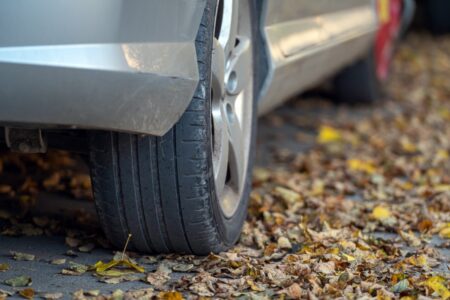
Vehicles traveling at a faster rate have less contact time with the ground. Your tires aren’t on the surface of the road much. That means you have less control over movements.
Increases the Risk of Rollover Accidents:
Speeding itself creates more momentum on the roadway. Cars that trip over curbs have far more momentum at a higher rate of speed. That leads to rollovers instead of simply stopping.
Increases the Risk of Head-On & Side-Impact Collisions:
Speeders flying through lights and stop signs are harder to see and avoid. Other drivers with the right of way may be unable to stop. That makes intersections highly dangerous.
Crashes in Poor Weather and Road Conditions:
Driving too fast for weather conditions limits the amount of control the driver has over the vehicle. Remember, at a higher rate of speed, there’s less contact with the ground by the tires. That’s amplified with poor weather and road conditions.
More Difficult to Avoid Unexpected Hazards:
It’s far harder to stop or maneuver safely at a high rate of speed. If a trash can blows into the street, you don’t have time to avoid it. That can happen to anything on the road with you.
Increase the Risk of Serious Personal Injury:
The added force of speeding not only damages the vehicle. It travels through the vehicle and that energy directly impacts the injuries you sustain. You’re more likely to have serious spinal injuries, traumatic brain injuries, and internal organ damage.
3 Types of Speeding-Related Accidents:
Speeding worsens every type of accident. The higher rate of speed means more energy and momentum. Examples include:
Rear-End Collisions:
A driver traveling at a high rate of speed slams into another vehicle from behind. That energy transfers into the second car. The vehicle crumples or flips, causing life-threatening injuries to the driver. At a lower rate of speed, there’s far less risk of damage.
Head-On Collisions:
A head-on collision happens when the front of two vehicles strike. Speed worsens the outcome. Speed means more transfer of energy from one vehicle to the next. This increases the risk of crushing accidents, fires, and head injuries. Head-on collisions are more likely to be fatal at a higher rate of speed.
Rollover Accidents:
Vehicles operating at a higher rate of speed and trip, or jump the curb, are more likely to flip. Rollovers happen when there is enough momentum and energy in the vehicle to cause the back or side of the vehicle to lift off the ground after the front or other side impacts.
7 Tips to Avoid Speeding Car Accidents:
Speeding is an intentional act. But it’s one you can avoid. Not everyone speeds because they plan to be reckless. Some do so simply out of habit. Use these tips to help you avoid speeding.
- Make it a point to leave your home earlier. Most people speed because they need to make up time. Make it an intentional effort to just leave home sooner.
- Use your car’s navigation settings to alert you when you go over the speed limit. Modern vehicles can pick up on speed signs and warn drivers to slow down by flashing the speed limit.
- Avoid distraction. Speeding can happen if a person isn’t paying attention. Avoid using your phone or arguing with others in the car. Improving your awareness dramatically helps.
- Check your speedometer more often. It’s easier to slow down and be more aware of your speed when you’re focused on how you’re driving.
- Use cruise control on the highway. This feature lets you set the speed of your vehicle to be consistent. It could even save you on gas.
- Stay out of the way of other drivers traveling at a high rate of speed.
- Don’t drive in the left lane or pass often.
Role of Personal Injury Attorney After Accidents:
Speeding is a factor in many car accidents. Drivers who speed increase the risk of injury and loss of life to others. A personal injury attorney can help you get justice when someone is driving at a high rate of speed and creates unsafe conditions.
Conclusion:
Everyone does it. You’ve done it many times. But speeding isn’t safe and isn’t all that helpful either. Practice being a safe driver and avoiding going over the speed limit. You may save your life or that of someone else’s as a result. When you’re in an accident with a speeder, contact our car accident lawyer for guidance.