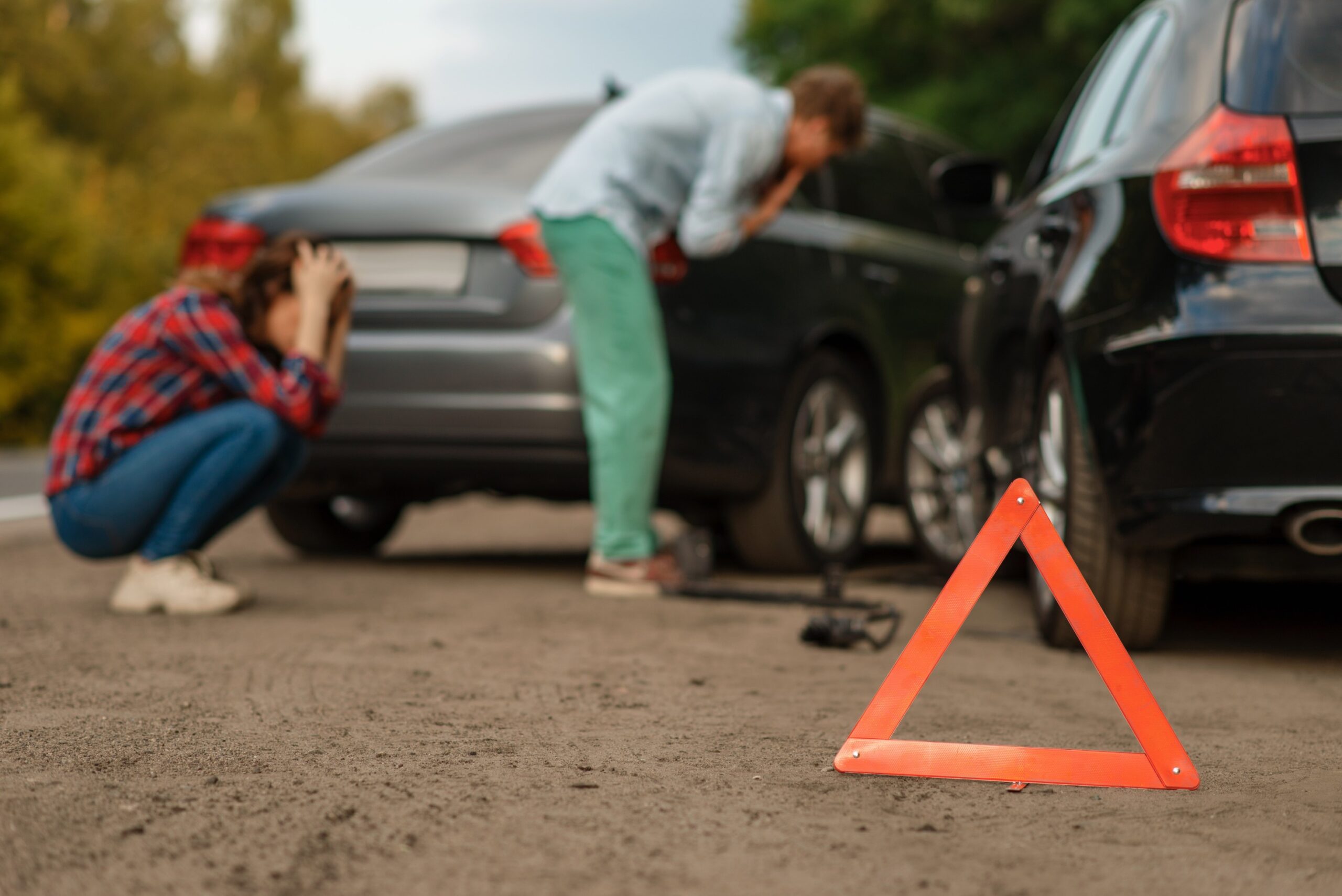
A single collision can quickly turn into a chain reaction when multiple vehicles are involved. Multi-vehicle crashes often happen in a matter of seconds, leaving little time for drivers to react. What begins as one sudden stop or unexpected impact can rapidly involve several cars, creating a far more dangerous situation than a typical two-vehicle accident.
These crashes are among the most complex traffic incidents because they often involve multiple drivers, different points of impact, and a variety of contributing factors. Learning how these multi-car accidents unfold can help drivers better understand why chain-reaction collisions are often so difficult to avoid.
How Chain-Reaction Crashes Develop
Many multi-vehicle accidents begin with a single event. A driver may brake suddenly to avoid an obstacle, lose control on a wet roadway, or become involved in an initial collision. Vehicles following behind may not have enough time or distance to stop, causing one impact after another.
The risk increases when traffic is moving closely together. Even drivers who are paying attention may struggle to avoid a collision if several vehicles begin stopping at once. High speeds only reduce the time available to react, making it easier for one crash to spread through surrounding traffic.
Because each additional impact can push vehicles into other lanes or nearby cars, the number of vehicles involved can grow quickly.
Weather and Road Conditions Can Make Matters Worse
Poor weather is a common factor in many multi-vehicle crashes. Rain, fog, snow, and ice reduce visibility while making roads more slippery, increasing stopping distances for every driver.
Smoke, dust, or low-light conditions can create similar hazards by limiting how far drivers can see ahead. If motorists cannot recognize slowing traffic early enough, they may be unable to avoid joining an existing collision.
Construction zones, sharp curves, and congested highways can also contribute by creating sudden changes in traffic flow that leave little room for error.
Injuries Can Be More Severe in Multi-Vehicle Collisions
When several vehicles are involved, occupants may experience more than one impact during the same accident. A vehicle might be struck from behind, pushed into another car, or hit from the side, increasing the forces placed on everyone inside.
These collisions may result in injuries such as broken bones, neck and back injuries, head trauma, or internal injuries. The severity often depends on vehicle speed, the number of impacts, the direction of each collision, and whether occupants were properly restrained.
Because symptoms may not appear immediately, some injuries become noticeable only after the initial shock of the accident has worn off.
Determining Responsibility Can Be Complicated
Unlike many two-vehicle accidents, determining fault in a multi-vehicle crash is often more challenging. Investigators may need to examine vehicle damage, witness statements, traffic camera footage, roadway conditions, and other evidence to understand how the sequence of events unfolded.
In some situations, more than one driver may have contributed to the collision. Factors such as following too closely, distracted driving, speeding, or failing to adjust for weather conditions may all play a role.
Insurance claims can also become more complicated when multiple drivers, vehicles, and insurance companies are involved.
Defensive Driving Can Help Reduce the Risk
Although drivers cannot control the actions of others, they can take steps to reduce their chances of becoming part of a chain-reaction crash.
Leaving a generous following distance provides additional time to respond when traffic slows unexpectedly. Reducing speed during poor weather, staying focused on the road, and scanning well ahead for changing traffic conditions can also improve reaction time.
Drivers should avoid sudden lane changes or aggressive maneuvers whenever possible, especially in heavy traffic where space is limited. Small adjustments made early are often safer than last-second reactions.
Conclusion
Multi-vehicle accidents demonstrate how quickly one unexpected event can escalate into a serious roadway emergency. Heavy traffic, poor weather, limited visibility, and delayed reaction times can all contribute to chain-reaction collisions involving several vehicles.
While these crashes are often complex, many are preventable through attentive driving, safe following distances, and adjusting to road conditions. Remaining alert and allowing extra space can give drivers valuable time to respond safely, helping reduce the likelihood of becoming involved in a multi-vehicle collision.