
ATV or UTV DUI Charges in Kansas City: What Riders Should Know
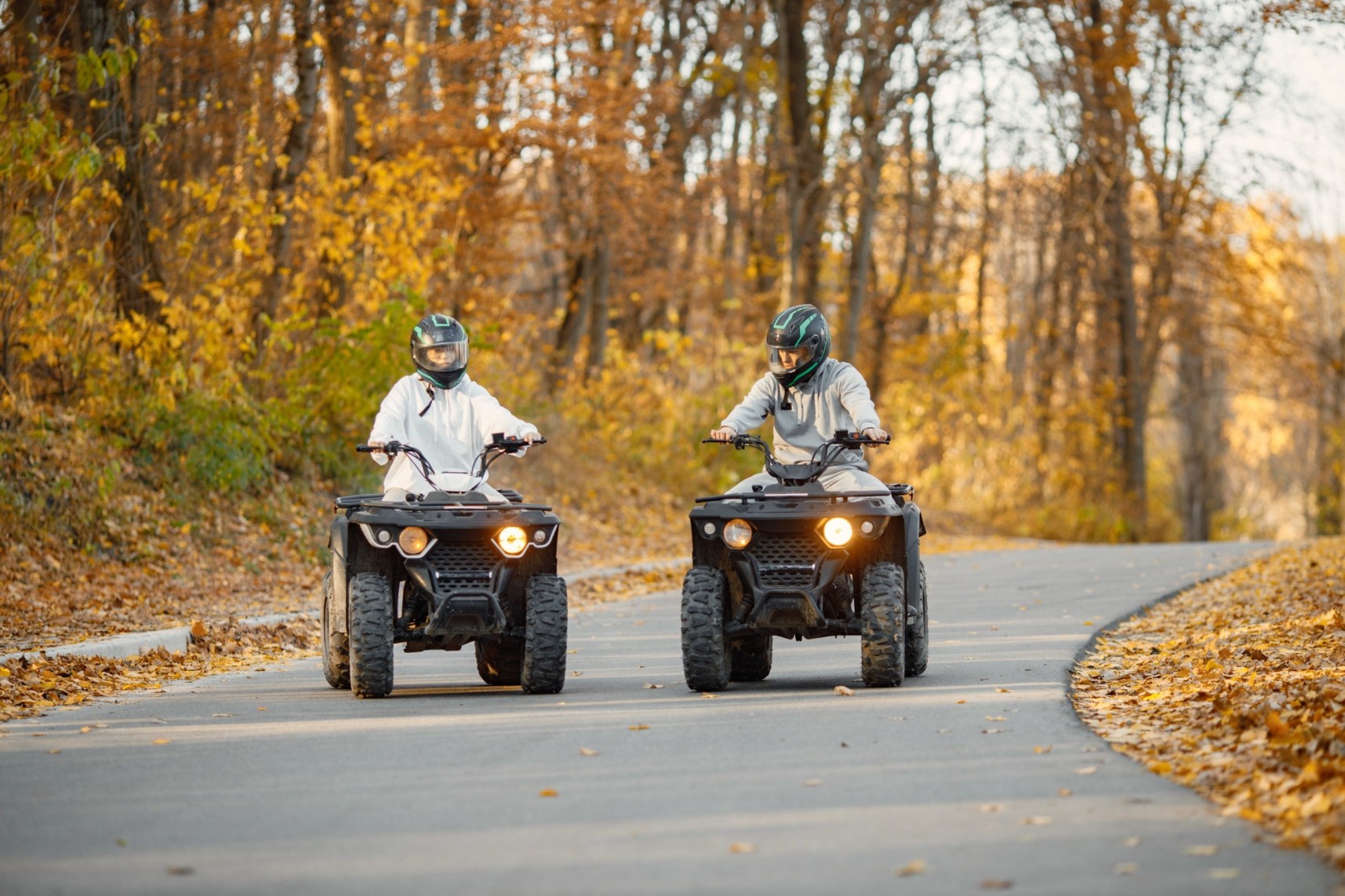
You’re out on a trail, sun dropping low, somebody cracks open a cooler. It feels like the most relaxed thing in the world. No traffic. No highways. No cops watching every move. Just you, your ATV, and a couple of cold ones after a long week. What’s the harm, right?
That mindset — completely understandable, by the way — has landed more Kansas City riders in serious legal trouble than most people realize. Because Missouri law doesn’t care how casual the setting felt. It doesn’t care that you were nowhere near a public road. What it cares about is whether you were impaired behind the controls of a motorized vehicle. And ATVs and UTVs absolutely count.
Missouri Doesn’t Care What You’re Driving — Seriously
Most riders don’t know this until it’s too late. Missouri Revised Statutes § 577.010 defines DWI as operating a “motor vehicle” while intoxicated. ATVs and UTVs fall under that definition. No asterisk, no carve-out for off-road vehicles.
It doesn’t matter that your ATV has no license plates. It doesn’t matter that you weren’t on a paved road or anywhere near traffic. The moment your blood alcohol content hits 0.08% or above — or drugs impair your ability to operate safely — you’ve crossed the legal line. Same line as the guy weaving down I-70 at midnight. Same consequences too.
People hear this and their first reaction is usually disbelief. And honestly, that disbelief is exactly what gets them charged. Because they never saw it coming.
So, How Does a DUI Stop Even Happen Out There?
Fair question. If you’re deep in a field or on a private trail, who’s actually watching?
More people than you’d ever guess. Missouri Conservation officers patrol off-road areas regularly. County deputies respond to noise complaints from neighbors more often than riders expect. State Highway Patrol has jurisdiction that extends well beyond public highways. And if you cross even a single county road — just briefly, connecting one trail to another — you’re on a public road. That’s all it takes.
Some of the most gut-wrenching cases involve riders who had a few drinks, stayed mostly on private land the whole time, and then crossed one small stretch of road to get back to the truck. One officer, one moment, and suddenly they’re handcuffed and their weekend is over. The stop looked routine. Nothing about it felt dramatic. But the charge that followed absolutely was.
The Penalties Are Not Small — Not Even Close
A first-offense DWI in Missouri is a Class B misdemeanor. Up to six months in jail. Fines up to $500. A 90-day license suspension. That’s for a first offense, when everything lines up in your favor and nothing makes it worse.
A second offense steps up to a Class A misdemeanor. A third becomes a felony. And here’s the part that genuinely surprises people — prior ATV or UTV DUI convictions count toward your total. They don’t get treated as some separate off-road category. They stack right alongside any car DUI on your record, and prosecutors use every single one of them.
Beyond the criminal penalties, points hit your Missouri driver’s license. Insurance rates climb in ways that sting for years. Background checks surface the conviction permanently. For commercial drivers, a DUI of any kind puts a CDL at real risk — which for some people means their entire livelihood.
This isn’t a ticket you pay online and move on from. It follows you everywhere.
“But I Was on Private Property” — Yeah, About That
This is the one most riders lean on hardest. And it makes sense on the surface — if you’re on your own land, who has the right to come in and arrest you?
Missouri courts have answered that question pretty clearly, and the answer isn’t what riders want to hear. There’s no blanket private property exemption for DUI charges under Missouri law. Officers can make arrests on private property when they observe impaired operation. If your ride ends in an accident — even on your own land, even with no one else involved — the officers who respond to that scene can and regularly do pursue charges based on everything they find when they get there.
The private property defense gets tried. It rarely lands the way people hope.
What You Actually Need to Do If You’re Charged
Don’t assume it’ll sort itself out. That’s the biggest mistake — sitting on it, hoping it goes away, telling yourself the charge seems flimsy. ATV and UTV DUI cases in Missouri get prosecuted seriously, and the window for the most effective legal response is early. Much earlier than most people act.
A Kansas City traffic ticket lawyer who knows Missouri DUI law can look at the stop itself — was it legally justified? They can examine the breathalyzer’s calibration records, question how the field sobriety test was conducted, and identify whether proper arrest procedures were actually followed. These aren’t loopholes. They’re the legitimate legal questions that determine whether a charge holds up.
Speeding Ticket KC is a well-known law firm in Kansas City that has worked with riders facing exactly these kinds of charges. Getting them involved early — before things harden into a conviction — is consistently where the biggest difference gets made. Don’t wait until you’re out of options.
Questions Riders Actually Ask When This Happens
1. Can I really get a DUI on my ATV on my own property?
Yes — and this is the one that shocks people most. Missouri law doesn’t give private property a free pass when it comes to DUI charges. If a law enforcement officer witnesses you operating an ATV or UTV while impaired, they have the authority to make an arrest regardless of whether you’re on public or private land. The idea that your own property creates a legal shield has been tested in Missouri courts. It doesn’t hold.
2. Does an ATV DUI show up on my regular driving record?
It does. Missouri DWI convictions involving ATVs and UTVs add points to your driver’s license and show up in your driving history just like a car DUI would. That affects your insurance rates, your license status, and any job or professional license that requires a clean background. It doesn’t get filed in some separate off-road category that employers or insurers can’t see. It sits right there with everything else.
3. What BAC limit applies to ATV riders in Missouri?
The same limit as car drivers — 0.08% for anyone 21 and older. For riders under 21, Missouri’s zero-tolerance policy applies, meaning any measurable amount of alcohol can trigger a charge. Drug impairment counts too, including prescription medications that affect your ability to operate a vehicle safely. The statute doesn’t make exceptions based on what you’re driving or where you’re driving it.
4. What happens if I refuse a breathalyzer on an ATV?
You can refuse, but Missouri’s implied consent law applies to ATV operators the same way it applies to car drivers. Refusing a chemical test brings an automatic one-year license revocation — and that revocation kicks in regardless of whether you’re ever convicted of the DUI itself. On top of that, prosecutors use refusal against defendants in court. It tends to raise more suspicion than it deflects, which is the opposite of what most people are hoping for when they refuse.
5. Can a lawyer actually help when the evidence seems solid?
More often than you’d expect — honestly. A defense attorney doesn’t need the evidence to be weak to make a real difference. They look at whether the officer had legal grounds to stop or detain you. They pull the breathalyzer’s calibration records. They examine the conditions under which field sobriety tests were done. They review every step of the arrest process for procedural issues. Cases get reduced or dismissed on these grounds more often than people realize — not because the defendant was innocent, but because something in the process didn’t hold up to scrutiny. Speeding Ticket KC brings that kind of local court knowledge to every case in Kansas City, and it matters far more than most people expect when you’re sitting across from a prosecutor.