
Most drivers know to watch for heavy eyelids, and plenty know better than to drive after a few drinks. Far fewer think about what they ate, or skipped, before a long commute or the drive home from a late shift. Low blood sugar can slow reaction time, blur vision, and cloud judgment in ways that look a lot like other kinds of impairment. For some people a missed lunch is just an annoyance, but for others it’s a genuine safety risk with legal consequences attached.
That risk isn’t spread evenly across every driver. People who take insulin or certain oral diabetes medications face the steepest drops, while most healthy drivers deal with hunger, irritability, and fatigue that stack up over a long day. Knowing where you fall on that spectrum, and what the research actually shows, makes it easier to plan meals around time on the road. It also helps to know what can happen when a blood sugar crash turns into a traffic stop.
What Low Blood Sugar Does to a Driver
The brain runs almost entirely on glucose, and it doesn’t keep much in reserve. When blood sugar falls, the first functions to suffer are the ones driving leans on hardest: attention, processing speed, and coordination. Researchers measured this directly in a hypoglycemia driving simulator study in Diabetes Care, in which 37 adults with type 1 diabetes drove a simulator while their glucose was lowered in stages. Driving was significantly impaired in every low range the team tested, starting at 61 to 72 mg/dL, a level only mildly below normal.
The more troubling finding was what happened next. Participants could often tell their driving had slipped, yet they hesitated to fix the problem by drinking a soda or stopping the drive. That gap between noticing and acting is what turns a blood sugar dip into a crash risk. The researchers recommended that drivers with diabetes treat a suspected low right away and avoid starting a drive with glucose between roughly 72 and 90 mg/dL without eating something first.
Other clinical work points in the same direction. A 2010 clinical review in the Oman Medical Journal found that low glucose levels hurt steering, speed control, and braking in simulator testing, and that patients weren’t always aware of their own impairment. The same review noted that driving is itself a stressor, linked to higher stress hormone levels and higher glucose needs, so a drive can push an already low reading lower. In practical terms, a driver who sets out slightly low can end up meaningfully lower partway through the trip.
Who’s Actually at Risk
It’d be a mistake to treat every skipped breakfast as a driving hazard. The American Diabetes Association’s 2012 position statement on diabetes and driving, published in Diabetes Care, stresses that most people with diabetes drive safely and argues against blanket licensing restrictions based on a diagnosis alone. The statement identifies people taking insulin as the group most at risk for hypoglycemia, and some oral diabetes pills, such as sulfonylureas, can also push glucose too low. For these drivers, a delayed meal after a dose is the classic setup for a low behind the wheel.
Healthy drivers without diabetes rarely drop into true hypoglycemia from one missed meal, and the research reflects that. In a 2018 study published in Physiology & Behavior, 10 healthy adults completed a 90-minute simulated drive after eating either a high or low glycemic load breakfast, and the type of breakfast made no measurable difference in their driving. That doesn’t mean an empty stomach is harmless on the road. Hunger tends to show up alongside poor sleep, long shifts, and too much caffeine, and those factors compound each other on a monotonous stretch of highway.
Fatigue is the better documented danger. The National Highway Traffic Safety Administration (NHTSA) estimates that drowsy drivers were involved in 91,000 police-reported crashes in 2017, injuring about 50,000 people and killing nearly 800, and the agency says those figures likely undercount the problem. Its data also shows drowsy crashes cluster between midnight and 6 a.m. and again in the late afternoon. That afternoon dip lands right around the time a skipped lunch catches up with a lot of commuters.
Warning Signs to Watch For
Low blood sugar usually announces itself before it gets dangerous, but the early signs are easy to dismiss as stress or tiredness. Shakiness, sweating, a racing heart, sudden hunger, and irritability tend to come first. As glucose keeps falling, drivers may notice blurry vision, trouble concentrating, and slower reactions at intersections or merges. The vehicle can offer clues too, and NHTSA lists drifting over lane lines and hitting rumble strips as signs a driver is losing alertness.
The right response is to pull over somewhere safe and treat the low before driving another mile. Fast-acting carbohydrates like juice, regular soda, or glucose tablets work quickly, and drinking a soda was exactly the corrective step that drivers in the Diabetes Care study were slow to take. Waiting a few minutes and rechecking before getting back on the road matters, because feeling a little better and being back to normal aren’t always the same thing.
When a Blood Sugar Crash Looks Like Impairment
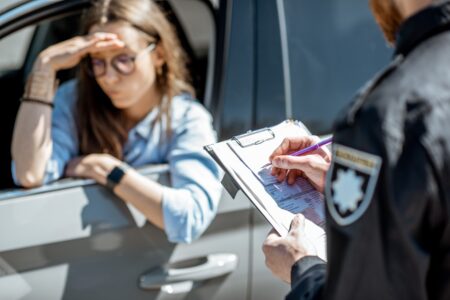
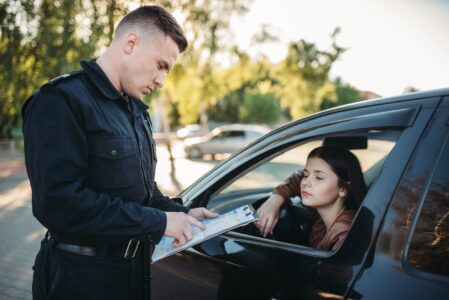
A hypoglycemic episode raises crash risk, and it can also look a lot like intoxication to an officer at the window. Slurred speech, confusion, poor balance, and slow responses are common signs of a severe low, and they’re also the cues officers are trained to spot during a DWI investigation. The American Diabetes Association has raised concerns about officers mistaking hypoglycemia for intoxication, warning that a missed medical emergency during an arrest can lead to serious injury or death. A driver in that state may also struggle with field sobriety tests for reasons that have nothing to do with alcohol.
That’s why the details of a stop matter so much. Missouri officers can make a DWI arrest even below the legal BAC limit when they believe a driver is impaired by alcohol or drugs, and the symptoms of a severe low can point an officer in exactly that direction. After an arrest, the criminal charge and the Missouri DWI license suspension process move on separate tracks, and medical conditions are among the factors that can affect how field sobriety results should be read. Drivers with diabetes who are stopped while symptomatic should say so immediately, carry medical ID, and keep any glucose meter or monitor data from that day.
Even when intoxication is ruled out, a blood sugar crash that causes erratic driving or a wreck can still lead to a ticket. Weaving, running off the road, and rear-end collisions are common grounds for a charge under Missouri’s careless and imprudent driving statute, a misdemeanor that adds 4 points to a license, or 2 points in municipal court. If a crash is involved, the charge becomes a class A misdemeanor carrying up to a year in jail. A documented medical cause can still give a prosecutor or judge useful context when deciding how the case gets resolved.
Eating to Stay Alert on the Road
The simplest fix is to avoid starting a drive hungry, especially before a long trip or a late shift commute. Meals that digest slowly hold blood sugar steadier than a gas station pastry or a soda that can leave a driver hungry again soon after. Nutrition research on pairing fiber with monounsaturated fats shows why foods like avocados work well here: a 50-gram serving carries 3 grams of fiber, 5 grams of monounsaturated fat, and no naturally occurring sugar, a combination that slows digestion and supports more stable blood sugar. Adding that kind of food to a pre-drive meal, along with some protein, can help a driver stay fuller and steadier through the trip.
Drivers who take insulin or sulfonylureas need a more deliberate routine. The ADA’s position statement advises people at risk of hypoglycemia to check their glucose before driving and to keep a meter and fast-acting snacks in the car. On longer drives, rechecking at regular intervals and planning food stops around medication timing keeps a delayed meal from turning into an emergency. Continuous glucose monitors with low alerts add another layer, since they can flag a falling trend before symptoms show up.
For everyone else, the habits are less clinical but still worth building. Keep water and a shelf-stable snack like nuts or a granola bar in the car, eat something before a commute that follows a long gap, and treat sudden hunger, shakiness, or fogginess as a reason to pull over. Sleep matters just as much, since fatigue and an empty stomach make each other worse. Pushing through on caffeine is a common habit, and NHTSA notes that coffee’s effects are short-lived and won’t fully counter serious sleep loss.
Planning Meals Is Part of Planning the Drive
Blood sugar rarely makes the list of things drivers check before pulling out of the driveway, yet it can affect reaction time and judgment in ways that are easy to miss until it’s too late. For drivers on glucose-lowering medication, the research shows that even mild lows impair driving and that people are slow to correct them. For everyone else, a skipped meal is one more stressor stacking onto fatigue and long hours behind the wheel. A few minutes spent eating something steady, and an honest look at how you feel before turning the key, can prevent both a crash and a court date.