
Yes, insurance can cover a hit-and-run accident in Florida, but the type and amount of coverage available depend on your policy and the losses you suffered. If the driver who caused the crash cannot be identified, you may need to rely on your own insurance rather than pursuing the at-fault driver directly.
Dealing with hit and run accidents can be frustrating because you may not know who caused the crash or how you will pay for your losses. Florida law provides certain insurance protections that may apply, but understanding your policy and reporting the accident promptly can make a major difference.
What Insurance May Cover a Hit and Run?
The coverage available depends largely on whether you suffered injuries, vehicle damage, or both.
Florida drivers may have several types of coverage that could become relevant after a hit and run. Personal injury protection, commonly called PIP, can help with covered medical expenses and certain lost wages after a qualifying accident. Florida’s PIP rules generally provide coverage for certain medical expenses and work loss, subject to policy limits and applicable requirements.
If you suffered bodily injuries caused by a driver who fled, uninsured motorist coverage may also be important.
How Does Uninsured Motorist Coverage Help?
Uninsured motorist coverage can protect you when the at-fault driver does not have applicable bodily injury insurance. A hit-and-run driver who cannot be identified may be treated as an uninsured motorist for certain claims, depending on the policy and circumstances.
Florida Statutes § 627.727 addresses uninsured and underinsured motorist coverage. The statute generally provides for uninsured motorist coverage in certain motor vehicle liability policies unless it is properly rejected or modified as permitted by law.
Your policy’s specific terms still matter, so review your coverage carefully.
What If Your Car Was Damaged?
Vehicle damage is a separate concern from bodily injury.
If the other driver cannot be identified, your collision coverage may help pay for repairs to your vehicle, subject to your deductible and policy limits. Uninsured motorist coverage generally focuses on bodily injury rather than automatically paying for every type of property damage.
If you do not carry collision coverage, you may have fewer options for recovering repair costs when the hit-and-run driver cannot be located.
What If the Driver Is Later Identified?
A hit-and-run case can change if police identify the driver.
Once the driver is found, you may be able to pursue a claim against that person’s insurance if applicable. The driver’s financial responsibility and available coverage can then become part of the claim.
However, finding the driver does not automatically guarantee full compensation. The driver may have limited insurance, no insurance, or insufficient assets to cover your losses.
Why Should You Report the Accident?
Reporting the crash promptly is important.
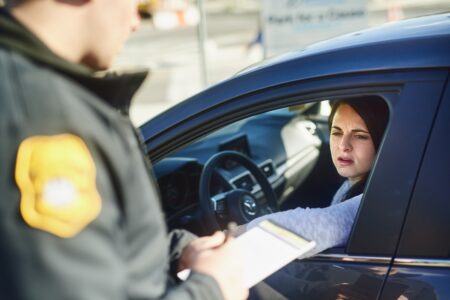
Contact law enforcement and provide as much information as possible about the vehicle and driver. Even a partial license plate number, vehicle description, location, or direction of travel may help investigators.
You should also notify your insurance company. Delaying the report could create questions about the accident or make it harder to investigate what happened.
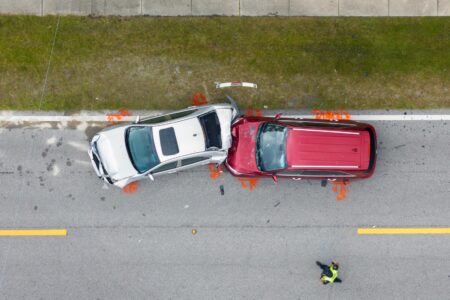
Take photographs of your vehicle, the accident scene, debris, skid marks, and any visible injuries when it is safe to do so.
What Evidence Can Help Your Claim?
Evidence can become especially important when the other driver is missing.
Useful information may include:
- Photographs of vehicle damage
- Dashcam footage
- Traffic camera footage
- Witness contact information
- Police reports
- Medical records
- Repair estimates
- Information about the fleeing vehicle
- Nearby business surveillance footage
If someone witnessed the crash, ask for their contact information. A witness may remember details that help police identify the other vehicle.
Can PIP Cover Your Injuries?
PIP may provide an initial source of coverage for certain injuries regardless of who caused the crash.
Florida’s PIP requirements include seeking initial medical services within a specified period after a motor vehicle accident. PIP coverage is also subject to policy limits and other requirements.
Because these rules can affect your benefits, seek medical attention promptly after an accident and follow your healthcare provider’s instructions.
What If Your Insurance Company Denies the Claim?
A denied claim does not necessarily mean you have no legal options.
Insurance companies review policy language, accident evidence, medical records, and other information when deciding whether coverage applies. If your insurer disputes your claim, ask for the reason in writing and review the applicable policy provisions.
For a serious injury or significant financial loss, consider speaking with an attorney who can review the circumstances and your insurance coverage.
Key Takeaways
- Insurance can cover certain losses from a Florida hit-and-run accident.
- PIP may cover certain medical expenses and lost wages after a qualifying accident.
- Uninsured motorist coverage can be important when the at-fault driver is unidentified.
- Collision coverage may help with vehicle damage.
- Reporting the crash quickly can help protect your claim.
- Photos, witnesses, dashcam footage, and surveillance can provide valuable evidence.
- Finding the hit-and-run driver may create additional options for pursuing compensation.
- Your policy limits, deductibles, exclusions, and Florida law all matter.
- A denied insurance claim may still be challenged depending on the circumstances.