
Common Car Accidents and Tips to Prevent Them – Guest Post
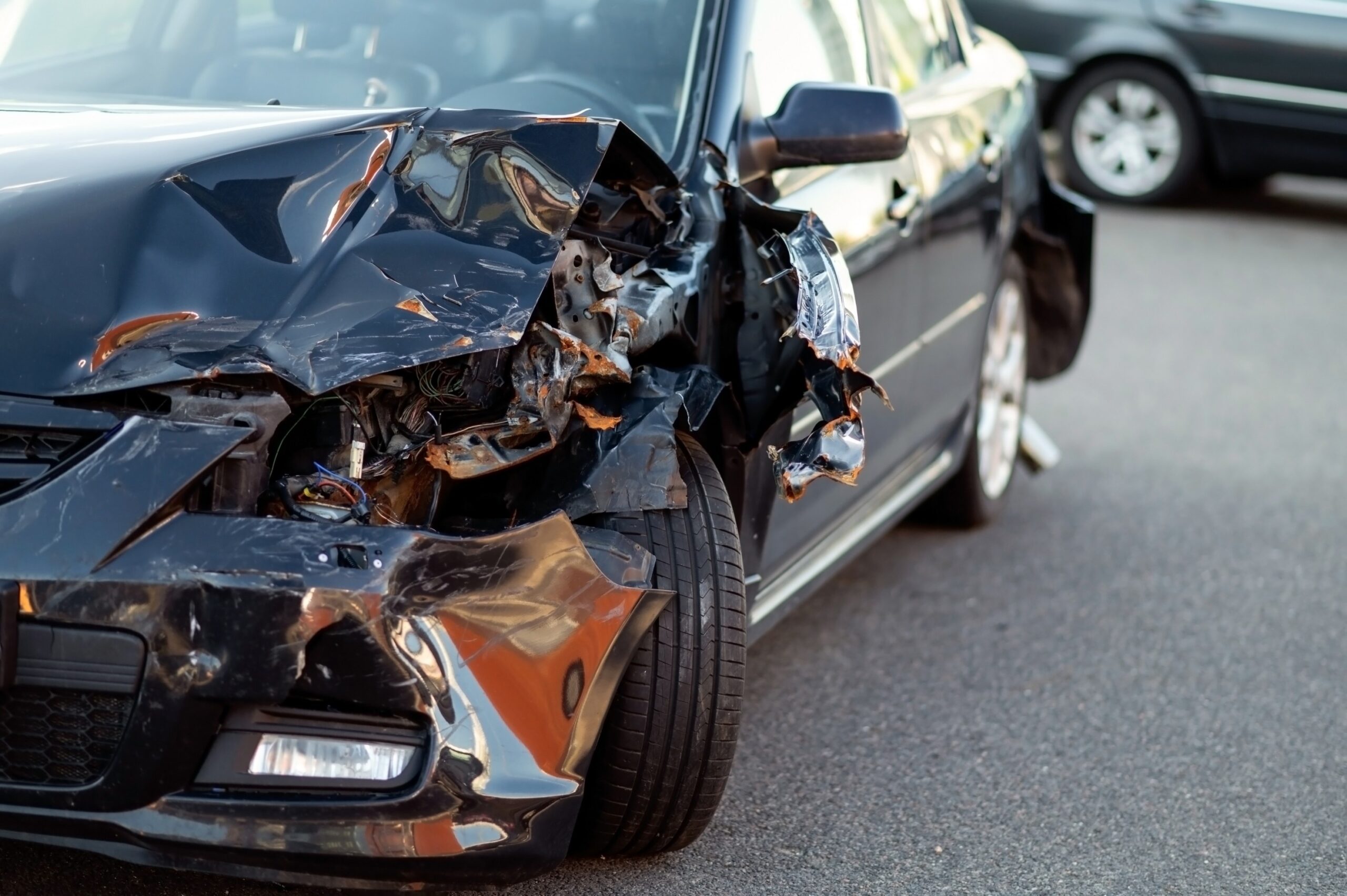
Common car accidents usually happen because of a driver’s mistake, poor judgment, or poor road conditions. The common types of accidents include head-on crashes, rear-end collisions, side-impact accidents, and single-vehicle accidents.
Knowing the typical ways car crashes occur helps you make better choices. When you recognize crash patterns, you can react before things go sideways.
Head-On Collisions
A head-on collision happens when two cars traveling in opposite directions slam into each other. Usually, it’s because someone drifted across the center line or tried a risky move to pass a slower truck. They’re easily the most severe accidents you’ll see on the road.
While these crashes don’t happen as often as other types of crashes, they’re responsible for a huge chunk of road fatalities. This makes sense because the force of the impact is doubled when two moving objects hit each other from opposite sides.
Tips to Prevent Head-On Collisions
- Stay in your lane and keep a close eye on those road markings.
- Don’t try to overtake unless you can see a clear opening.
- Slow down on tight, winding backroads.
- Put the phone away and stay alert.
Side Impact (T-Bone) Collision
A T-bone happens when the front of one car hits the side of another. You see this constantly at intersections. Someone tries to beat a yellow light or simply doesn’t see a stop sign, and suddenly they end up in the middle of traffic.
It’s a scary position for anyone to be in because car doors don’t offer as much protection as a reinforced engine block.
Tips to Prevent T-Bone Accidents
- Take it easy when you’re approaching an intersection.
- Look both ways before you pull out, even if the light is green.
- Respect the traffic lights and stop signs. Watch out for drivers with a tendency to run red lights.
Rear-End Collision
This is probably the most common accident on the road. Rear-end collisions happen when one car slams into the back of the one in front. These crashes happen all the time in stop-and-go traffic or at red lights.
This is usually the result of following too closely or looking at a phone instead of the car ahead. A sudden stop shouldn’t result in a crash if there’s enough room.
Tips to Prevent Rear-End Collisions
- Maintain a safe following distance.
- Follow three-second rule whenever you’re driving behind another vehicle.
- Focus on the road, not your notifications.
- Look past the car directly in front of you to anticipate sudden traffic stops.
Single-Vehicle Accidents
This type of accident involves just one car and an object, like a telephone pole, a tree, or a guardrail. Usually, these happen because of high speeds, fatigued drivers, or a sudden change in the weather.
It’s often a case of losing control. One minute you’re on the asphalt, and the next, you’re sliding toward a guardrail.
Tips to Prevent Single-Vehicle Accidents
- Slow down if it starts raining or gets foggy.
- Always keep both hands on the wheel when driving.
- Avoid driving when you’re sleepy or tired.
- Maintain your vehicle regularly.
Fender Bender Accidents
Fender benders are minor, low-speed collisions that typically result in little to no serious damage or injury. They’re common around parking lots and in slow traffic. Someone misjudges a turn or reverses without looking, and suddenly there’s a dent.
Tips to Prevent Fender Benders
- Drive slowly through parking lots.
- Don’t park so close that the other person can’t get out.
- Carefully check your side and rear view mirrors before you reverse.
- Be patient in heavy traffic.
Final Thoughts
Accidents happen fast, but a lot of them are preventable. Most of the time, it comes down to being distracted or being in a rush. If you can stay focused, follow the rules, and drive defensively, you’ll be much safer out there.
Key Takeaways
- Head-on collisions are rare but very dangerous.
- T-bones usually happen at intersections because someone was in a hurry.
- Rear-end crashes are everywhere, mostly thanks to distracted driving.
- Single-vehicle crashes are often about speed, fatigue, or bad weather.
- Fender benders are usually associated with minor injuries.
- Safe driving behaviors go a long way to prevent the majority of these issues.