
FAQ: WHAT SHOULD I DO IF I ACCIDENTALLY LEFT THE SCENE OF AN ACCIDENT IN MISSOURI?
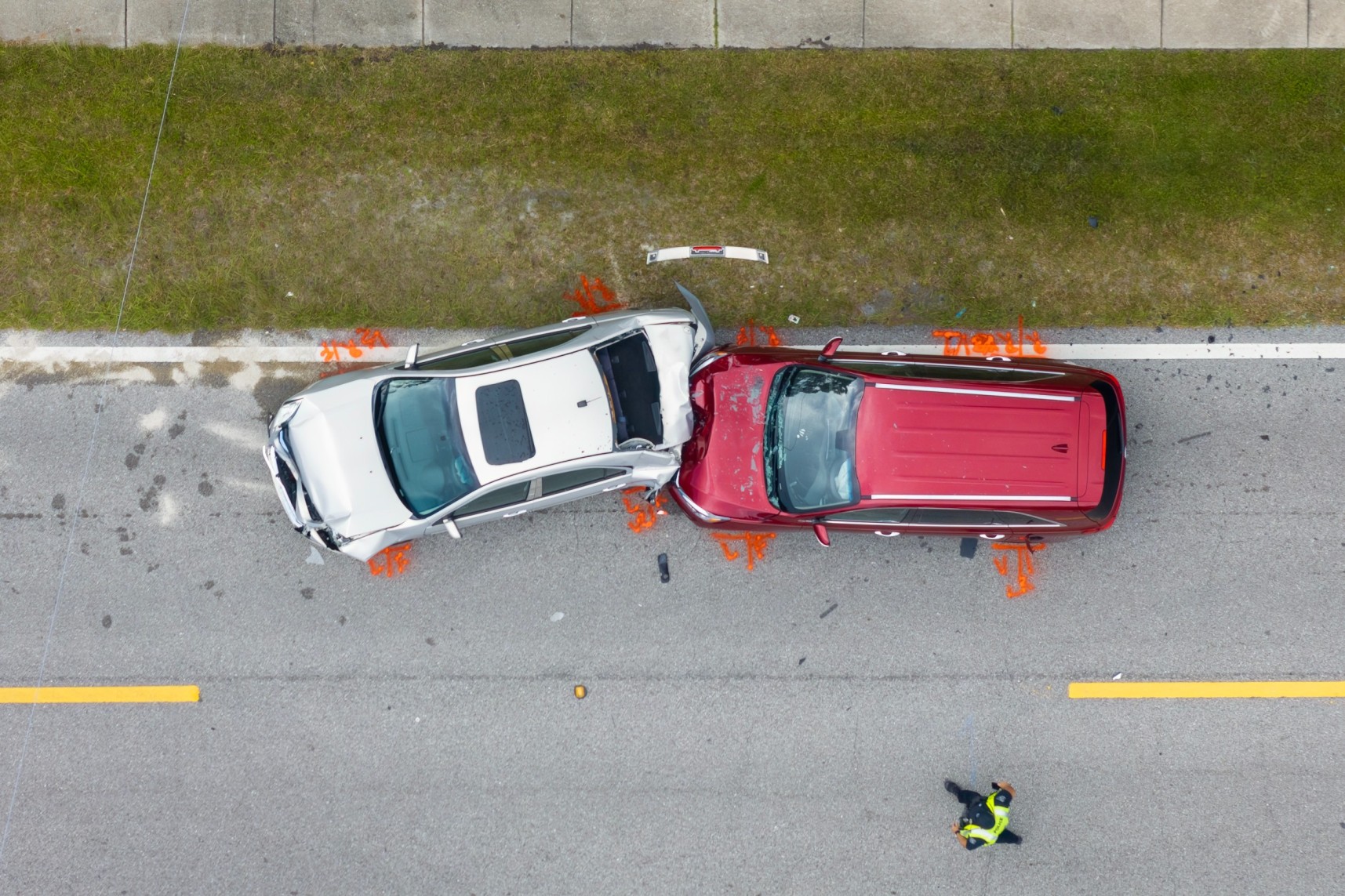
Leaving the scene of an accident — even by mistake — is a serious offense in Missouri. Maybe you didn’t realize you hit something. Maybe you panicked. Maybe the damage seemed minor. Maybe you didn’t think it was necessary to stop.
Whatever the reason, Missouri treats leaving the scene of an accident as a criminal offense, and the consequences can include fines, jail time, loss of license, and a permanent record.
If you accidentally left the scene, the first thing you need to do is call Speeding Ticket KC and hire one of our experienced Kansas City traffic defense attorneys — the first step to securing your driving future.
1. What does “leaving the scene of an accident” mean in Missouri?
Missouri law (RSMo 577.060) requires all drivers involved in an accident to:
- Stop immediately
- Provide their name, address, and insurance
- Call law enforcement (in qualifying accidents)
- Offer reasonable assistance if someone is injured
Leaving without doing these things — even if the accident seems minor — can lead to charges.
People accidentally leave the scene all the time because they:
- Didn’t realize there was contact
- Thought the damage was too small to matter
- Panicked
- Feared getting a ticket
- Assumed the other driver didn’t want to exchange info
Intent doesn’t matter — prosecutors can still charge you.
2. Is leaving the scene of an accident a misdemeanor or a felony?
Both are possible.
Misdemeanor Leaving the Scene (Class A) — Usually applies when:
- There is property damage only
- No injuries
- Damage is under $1,000
Penalties include:
- Up to 1 year in jail
- Up to $2,000 in fines
- License points
- Higher insurance premiums
Felony Leaving the Scene (Class E or D Felony) — Charged when:
- There are injuries
- There is significant property damage
- The accident involved a pedestrian or cyclist
- You have prior convictions
Felony penalties include:
- Up to 4 years in prison (or more for higher classes)
- License revocation
- Restitution
- Felony criminal record
Leaving the scene is one of the fastest ways a minor traffic incident becomes a criminal case.
3. What if I truly didn’t realize an accident occurred?
This is one of the most common defenses, and it’s legitimate. People miss minor impacts because of:
- Loud music
- Road vibrations
- Large vehicles
- Inattentional blind spots
- Distracted driving
- Nighttime or poor visibility
If you didn’t know an accident occurred, you cannot “willfully” leave the scene. A lawyer can gather evidence showing:
- The impact was minimal
- Damage was barely visible
- You had no reasonable way to be aware
- You were driving safely prior to the incident
This defense often leads to reductions or dismissals.
4. What should I do if the police contacted me about the accident?
Do NOT give statements.
Do NOT explain.
Do NOT apologize or guess what happened.
Even innocent comments such as “I might have clipped something” can be used as admissions.
Instead, say politely:
“I will not answer questions without an attorney.”
Then immediately contact a trusted Kansas City traffic lawyer.
Your attorney can speak on your behalf, control the flow of information, and prevent self-incrimination.
5. Should I contact my insurance company?
Not yet.
Your insurance company may also try to get recorded statements — which can hurt both your civil and criminal situation.
Speak with your traffic defense lawyer first. They will tell you when and how to notify insurance without damaging your case.
6. Can a lawyer get a hit-and-run charge reduced or dismissed?
Often, yes — especially for accidental or low-damage situations.
A skilled Missouri defense attorney can:
- Contact the prosecutor on your behalf
- Prevent a warrant from being issued
- Negotiate civil restitution instead of criminal charges
- Show you had no knowledge of the impact
- Argue lack of intent
- Challenge the evidence
- Reduce the charge to a non-criminal violation
- Avoid jail time and protect your record
We handle these cases all the time — and the earlier you hire counsel, the better the outcome.
7. Will my license be suspended for leaving the scene?
It can be. Missouri adds 12 points for leaving the scene — enough to cause an automatic license suspension or revocation.
A lawyer can fight the points, reduce the charge, or negotiate an alternative that protects your driving privileges.
This is one of the biggest reasons to hire a traffic attorney immediately.
DON’T LET A MISTAKE BECOME A CONVICTION — CALL SPEEDING TICKET KC TODAY
Leaving the scene — even for a moment — can turn a simple accident into a criminal crisis. Police, prosecutors, and insurance companies take these cases seriously, and one wrong move can damage your record, your job, your license, and your future.
But with an affordable Kansas City traffic defense lawyer on your side, you can fight the charge, minimize penalties, and keep your record clean.
If you accidentally left the scene, don’t wait — call Speeding Ticket KC now.
Cities we serve: Adrian, Archie, Bates City, Belton, Blue Springs, Buckner, Butler, Cameron, Claycomo, Cleveland, Drexel, Fairview, Ferrelview, Gladstone, Grain Valley, Grandview, Greenwood, Houston Lake, Independence, Kansas City Missouri, Kearney, , Knob Noster, Lake Lotawana, Lake Tapawingo, Lake Waukomis, Lake Winnebago, Lawson, Lee’s Summit, Liberty, North Kansas City, Oak Grove, Oakview, Parkville, Peculiar,, Platte City, Platte Woods, Plattsburg, Pleasant Hill, Raymore, Raytown, Riverside, Smithville, Sugar Creek, Tracy, Warrensberg, Weatherby Lake, and Weston.
Statewide: Missouri State Highway Patrol and Sheriff Counties we serve: Bates County, Cass County, Clay County, Jackson County, Platte County, Ray County.
Contact our experienced Kansas City traffic defense lawyers near me in Missouri and let us help begin building your defense. Let us help.
Disclaimer: This page is for informational purposes only and does not create an attorney-client relationship. Always consult qualified counsel regarding your unique situation.