A first DUI charge can feel like a gut strike. You may fear the court, your license, your work and your record. But an arrest is not equivalent to a conviction. A DUI lawyer will examine the state’s case to determine how to proceed. The lawyer examines the stop, the arrest, the tests, the reports, and other evidence. The point is not to disregard the facts. This is to assess whether the state can establish the elements of its case in law. DUI defense might vary from case to case as DUI laws can be different from state to state. NHTSA has state-by-state information on impaired-driving regulations, including testing rules and license actions.
What the Lawyer Sees First during the Traffic Stop
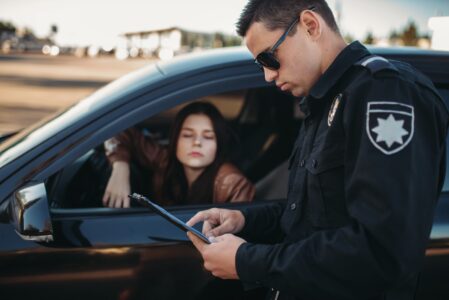
Usually the defense starts before the DUI test. Why did the policeman stop the driver? The lawyer will look at the reasons for the stop and what happened before the officer started a DUI investigation. A traffic offense may provide police a legal justification to pull someone over. A weak or disputed reason may raise a separate legal question. Police reports don’t tell the complete story either. Lawyers can analyze dash cam evidence, body-camera video, dispatch data and witness testimony. Those records can add facts that a short report omits.
Next up, the arrest.
The lawyer looks at how the investigation was carried out after the stop. The police may have smelled alcohol, seen poor driving, heard slurred speech or noticed other symptoms. The state may use those observations as evidence. The defense asks if the officer’s story reflects the evidence we have. Same thing in the video? Were the officer’s notes done at the same time? Are there any notable omissions in the report? When a case is created up of several elements, small features matter.
Field Sobriety Tests Get a Close Look
Standardized field sobriety tests are common in DUI investigations. NHTSA identifies three tests in its standardized battery: the horizontal gaze nystagmus test, walk-and-turn test, and one-leg-stand test. A defense lawyer can examine how those tests were given. For example, the lawyer may ask whether the officer gave clear instructions. The lawyer may also examine the surface, lighting, weather, footwear, and other conditions. Physical issues can matter, too. A bad knee, balance problem, injury, or certain medication could affect someone’s performance. Being nervous during a roadside test may also affect behavior. A poor performance does not tell the whole story by itself.
Breath Tests Need a Record Check
Breath results can play a major role in a DUI case. NHTSA describes preliminary breath devices and evidential breath-testing devices as different tools. Evidential devices can produce results used in court. A lawyer can check the records behind the number. That review may include the device’s maintenance, calibration, testing process, and operator training. NHTSA also keeps model specifications and product lists for certain alcohol testing devices. Timing can matter as well. The lawyer may ask when the test happened and what occurred before it. The answer can help place the result into the larger timeline. A number is important evidence. It still needs proper support.
Blood and Urine Tests Can Raise Other Issues
Some DUI cases involve blood or urine testing. These tests bring their own rules and questions. A lawyer can review how the sample was collected and handled. The defense may also examine lab records, chain of custody, and testing methods. The timing of a blood draw can matter under the Fourth Amendment, too. In Missouri v. McNeely, the U.S. Supreme Court rejected a blanket rule that alcohol’s natural dissipation always creates an emergency allowing a warrantless blood draw. The Court said the facts of each case matter. State law can add other requirements. That is one reason a first-time DUI should not be handled from a generic checklist.
The Lawyer Builds a Timeline
Here’s the thing: DUI cases are about more than one test result. A lawyer can place each event in order:
- When the vehicle was stopped
- What the officer first observed
- When field tests began
- When the arrest occurred
- When chemical testing took place
- How samples were stored and tested
- What the driver said or did
A timeline can reveal gaps or conflicts. Maybe the test happened much later than the stop. Maybe the report differs from the video. Maybe records needed to support a test are missing. The defense lawyer follows those details instead of guessing.
Statements Can Matter, Too
People often talk when they’re nervous. That can become part of a DUI case. A lawyer reviews what the driver said and when those statements were made. The defense may also examine whether the police questioning followed the required rules. The exact legal issues depend on the facts and state law. That is why early legal advice can help. Once a case moves forward, useful records or evidence may become harder to find.
First-Time Doesn’t Mean “No Big Deal”
A first DUI charge may have serious effects. Potential consequences can include fines, license restrictions, required classes, ignition interlock rules, probation, or other penalties. The exact consequences vary by state and by the facts of the charge. NHTSA’s state law materials cover areas such as license suspension, ignition interlocks, and penalties. A first offense may also affect work, school, insurance, or travel. So yes, it’s the first charge. That doesn’t make it something to brush aside.
A Lawyer May Challenge Weak Evidence
A defense lawyer does not need to accept every claim in a police report. The lawyer can ask whether the evidence was gathered lawfully. The lawyer can check whether required testing steps were followed. The lawyer can also challenge evidence when the law provides a valid basis. Possible issues can involve:
- The reason for the traffic stop
- The grounds for the arrest
- Field sobriety test procedures
- Breath test records
- Blood or urine testing
- Chain of custody
- Officer statements
- Missing or conflicting video
- Problems with warrants or searches
Not every challenge will succeed. Some evidence may remain admissible even after review. The point is to make sure the case is judged on evidence the state can legally use.
Building a Defense Takes More Than One Test
A strong defense is rarely based on one magic argument. Instead, the lawyer studies the full record. One small issue may not change a case. Several issues together can create a different picture. That work takes time and careful review. A Criminal Defense Lawyer can help explain which issues matter under the law that applies to your case.
How Platinum Criminal Defense Law Firm Helps
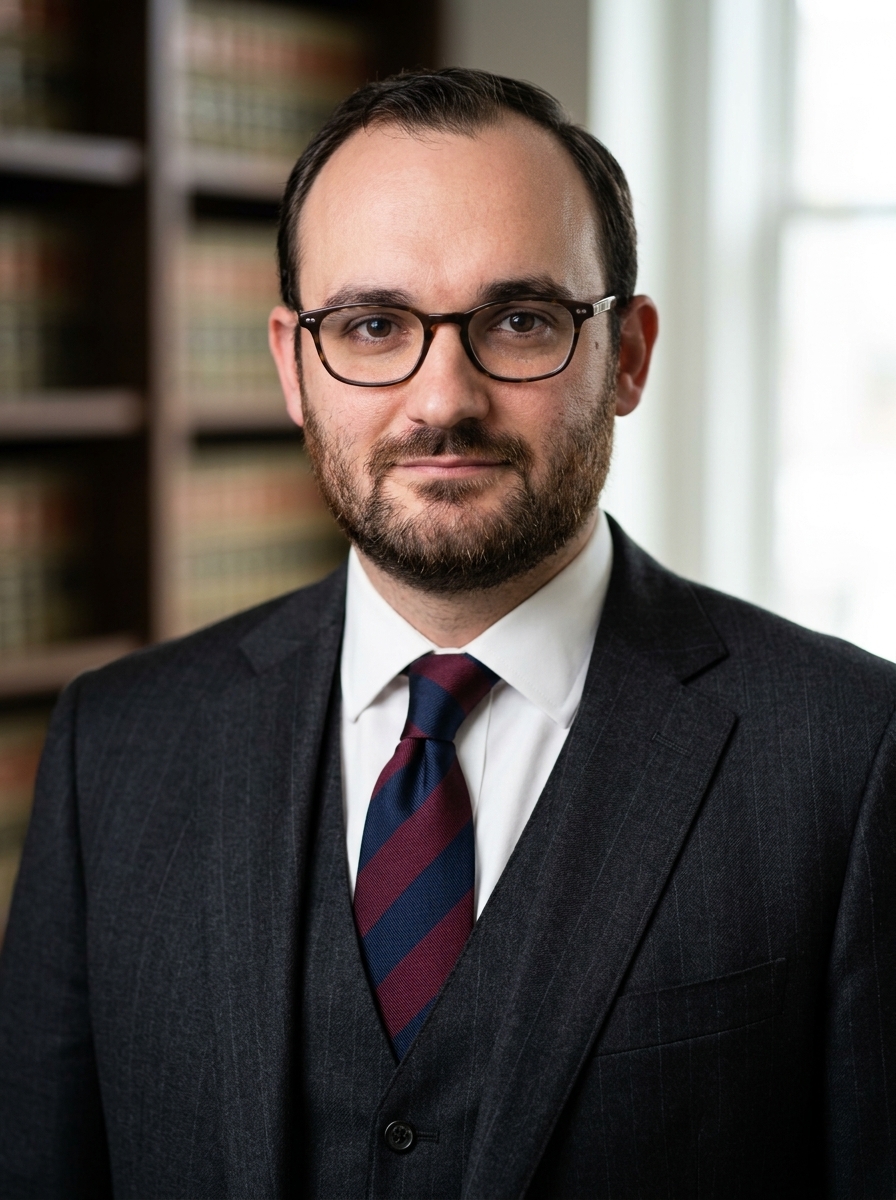
Platinum Criminal Defense Law Firm handles criminal defense matters in the United States. The firm says David Benowitz has extensive experience defending people facing criminal charges. The firm also states that Mr. Benowitz is AV-rated by Martindale-Hubbell and has received a perfect 10 rating from Avvo. It also identifies him as a member of the National College of DUI Defense. The firm further states that Mr. Benowitz serves as faculty at Harvard Law School’s Trial Advocacy Workshop. For someone facing a first DUI charge, the key step is understanding the actual case. A lawyer can review the stop, testing, reports, and other evidence before discussing possible defense paths. Don’t assume the arrest tells the whole story. The evidence needs to be checked.
Common questions asked
1. Can you get a first time DUI?
Short answer: Yes. Even a first time DUI charge can be fought on the facts and applicable legislation.
Detailed answer: A lawyer can look at the traffic stop, the arrest, the field testing, the chemical tests, the police reports and other evidence. If the evidence does not support the state’s case, the defense can raise legal or factual problems.
2. Will a DUI lawyer contest a field sobriety test?
Short answer: Yes. The lawyer can see how the test was administered and what transpired during the test.
Detailed answer The defense might explore instructions, test settings, officer training, physical considerations, and the officer’s notes. NHTSA recognizes three standard field sobriety tests used in DUI investigations.
3. Can I dispute a breathalyzer result?
Short answer: Yes. The breath results might be checked for legal and testing purposes.
Detailed answer: An attorney may look at the equipment, the calibration logs, upkeep, operator education, testing procedure and schedule. NHTSA differentiates preliminary breath devices from evidentiary breath-testing devices.
4. Is a first DUI inevitably a conviction?
Short answer: Yes. An arrest is not a conviction.
Detailed answer: The state has to prove its case under the legislation that applies. The outcome might be influenced by the evidence, legal concerns, court process and facts of the particular case .
5. When should you hire a DUI lawyer?
Short answer: Talk to a lawyer early. That will keep your choices open and make clear what you need to do next.
Detailed answer: Early assessment helps discover difficulties with the stop, arrest, tests, reports and license concerns. DUI laws differ from state to state, therefore a lawyer should examine the unique facts and jurisdiction before offering any case guidance.