
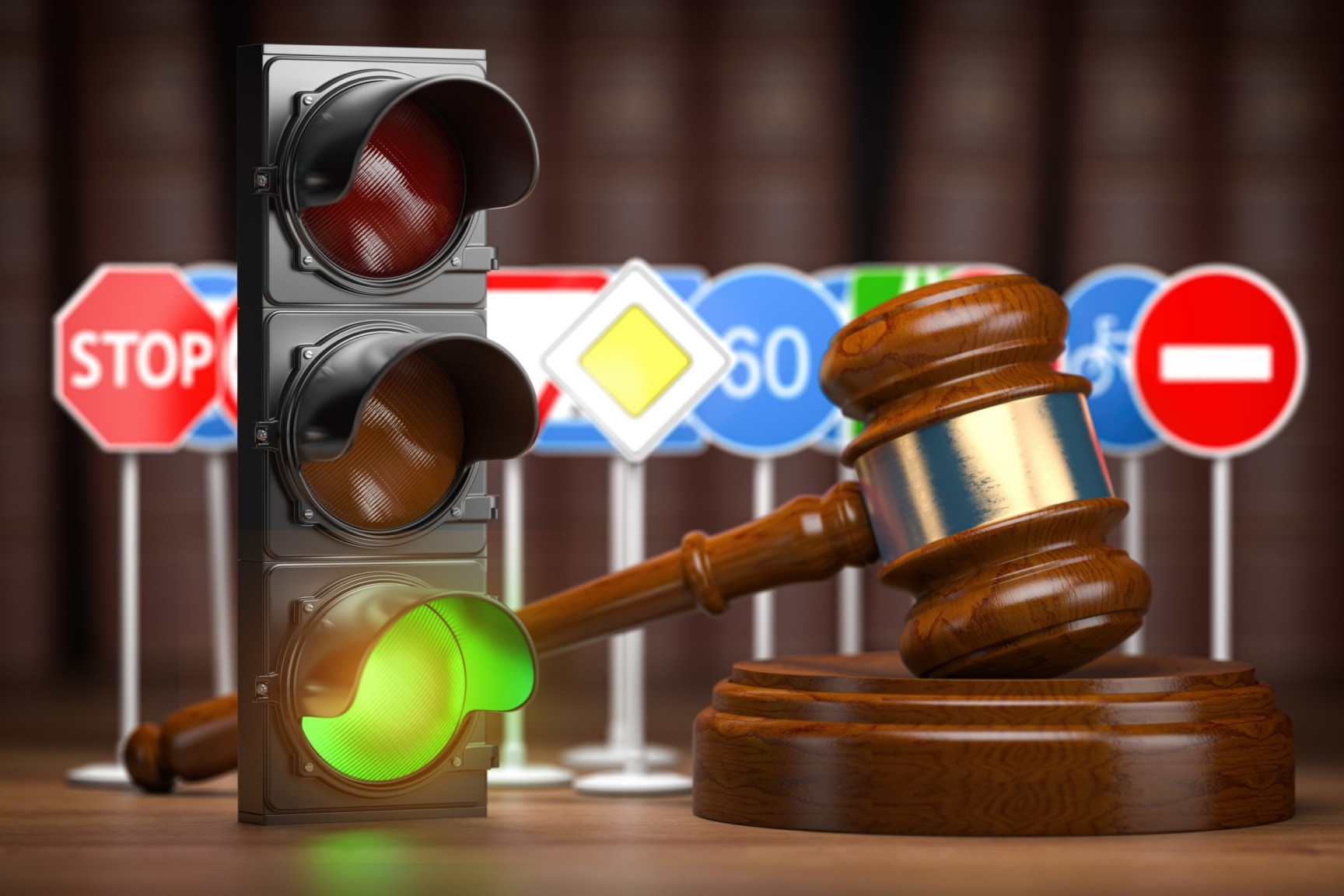
A traffic control device ticket arrives looking like a minor inconvenience. You ran a red light, rolled through a stop sign, made a turn where a sign said not to, or crossed a solid lane marking in a no-pass zone. You pay the fine, maybe grumble about it, and move on.
Except that’s not quite how it works. Paying a traffic control device citation is a permanent admission of guilt. It puts points on your Missouri license, creates a moving violation record entry that insurance carriers see at renewal, and forecloses every other option — all without any examination of whether the citation was actually accurate.
A Kansas City traffic defense lawyer looks at these citations differently. Not as things to pay and forget, but as legal accusations that deserve scrutiny before any decision gets made.
What a Control Device Ticket Actually Is
Let me explain what’s covered here, because the category is broader than most drivers realize.
Missouri’s definition of a traffic control device under RSMo § 304.281 includes traffic signals, stop signs, yield signs, lane markings, no-turn signs, speed limit signs, railroad crossing signals, construction zone signage, and road closure barricades. All of these are official devices. Disobeying any of them is a violation under the same statutory framework.
This is why “disobeying a traffic control device” shows up in contexts that surprise people. A driver who rolled through a neighborhood stop sign, made a left where a no-left-turn sign was posted, crossed a solid white lane marking, or drove through a construction zone barrier has committed the same category of violation as someone who ran a red light. Different device, same charge framework.
Kansas City’s road network — with its active construction projects, event-related temporary devices, and complex intersection configurations — generates these violations constantly. Some are clear. Some aren’t. And the ones that aren’t are exactly where a traffic defense lawyer does meaningful work.
The First Thing a Defense Lawyer Does: Look at the Actual Evidence
Here’s the thing about traffic control device violations: many of them rest on an officer’s direct observation or camera documentation — both of which can be examined.
An officer who documented a red light violation was positioned somewhere specific, with a specific line of sight, at a specific moment. What they saw from that position may or may not fully capture what the driver experienced. Patrol dashcam footage sometimes tells a different story than the written report. Intersection camera footage preserved through appropriate legal channels can establish exactly when a light changed and where a vehicle was at that moment. Discrepancies between the officer’s account and available footage are more common than most people assume — and those discrepancies create room for challenge.
For red light camera citations specifically — which Kansas City uses at certain intersections — the defense examination includes the camera program itself. These programs operate under local ordinance frameworks with specific procedural requirements. Attorneys who understand those requirements can identify whether the citation was properly issued, whether the footage meets the evidentiary standards the ordinance requires, and whether any procedural defects affect the citation’s validity.
For officer-observed violations, the defense examines the officer’s vantage point, the visibility conditions, the device’s state and positioning, and whether any environmental factors affected what was observable. A stop sign partially obscured by overgrown vegetation, a faded lane marking that wasn’t clearly visible, a construction zone sign positioned at an angle that made it difficult to read from the travel lane — these are real conditions that affect whether the violation was as clear as the citation suggests.
What Defenses Actually Look Like in Practice
Traffic defense isn’t about manufacturing arguments. It’s about identifying where the facts support a legal challenge, and where they don’t.
The most straightforward defenses challenge the factual basis of the citation directly. The driver argues — with supporting evidence — that the violation didn’t occur as documented, or that the device wasn’t functioning correctly, or that the device wasn’t clearly visible from the driver’s approach position. These factual challenges work best when documentation exists: footage, maintenance records, photographs of the device or intersection.
Context-based defenses address situations where the violation technically occurred but where circumstances significantly affected the driver’s options or awareness. A driver who entered an intersection on yellow and cleared it on red didn’t run a red light in the meaningful sense the law addresses. A driver who crossed a solid line to avoid a road hazard was responding appropriately to conditions. A driver who followed construction zone traffic control that contradicted posted permanent signs faced a genuine ambiguity that the citation doesn’t reflect.
When neither direct challenge nor context-based defense is available, the attorney pursues the best negotiated outcome — typically a reduction to a non-moving violation. Non-moving violations carry no license points and no insurance signal. For drivers who are primarily concerned about the practical consequences of the citation — the insurance impact, the accumulation toward suspension — a non-moving reduction eliminates those consequences entirely.
A Missouri traffic ticket lawyer at Speeding Ticket KC works through these specific options for every client who contacts the firm before making any payment decision. The firm handles traffic violations across Kansas City’s municipal and county courts and brings years of local experience to the question of what each specific court’s prosecutors will accept in negotiations on these cases. That local specificity matters — not all prosecutors approach control device violations the same way, and not all courts are equally receptive to the same arguments.
Why the “Just Pay It” Approach Costs More Than People Think
Drivers pay traffic citations for understandable reasons. It’s fast. It’s simple. It feels like the situation is resolved.
What’s actually resolved is the question of whether a conviction will be entered. The conviction itself is just beginning. It appears at insurance renewal — typically 15 to 25 percent premium increases for a single moving violation, sustained across multiple renewal periods. Viewed across three or four years of renewals, the compounded cost of a paid citation regularly exceeds the original fine by a significant margin.
For drivers already carrying points from prior violations, additional points from a control device citation can push toward Missouri’s eight-point suspension threshold. A citation that seemed minor becomes the one that tips a license into suspension — a consequence far more disruptive than the original violation.
The alternative — contesting the citation or pursuing a reduction — requires effort but preserves options. An attorney who handles this work directly means the driver often doesn’t need to appear in court at all. The firm manages the process, the driver goes about their life, and the outcome is better than what a default payment would have produced.
Questions: Kansas City Drivers Ask About Control Device Tickets
1. Can a traffic control device citation actually be challenged successfully?
Yes — and more often than people expect. These citations are based on officer observation or camera documentation, both of which are examinable. Dashcam footage inconsistencies, device visibility issues, camera program procedural defects, and factual circumstances that complicate the officer’s account all create legitimate challenge grounds. Speeding Ticket KC reviews these factors specifically before advising on whether challenge or negotiation is the more realistic path.
2. What’s the practical difference between a moving and non-moving violation reduction?
A non-moving violation reduction eliminates the two most significant practical consequences of the citation: license points and the insurance signal. No points means the eight-point suspension threshold doesn’t get closer. No insurance signal means carriers see nothing relevant at renewal — protecting premium rates across future policy periods. For most drivers, this is the most valuable outcome available through negotiation, and it’s achievable in appropriate circumstances in Kansas City courts.
3. Do camera citations carry the same legal weight as officer-issued tickets?
Legally, yes, but the evidentiary framework is different. Camera citations issued under Kansas City’s red light camera ordinance operate under specific procedural requirements about how the program is administered and how footage is preserved and presented. Attorneys who understand those requirements can identify whether the citation was properly issued and whether any procedural issues affect its validity. Camera citations aren’t automatically stronger or weaker than officer-issued citations — they’re different, and the defense analysis reflects that difference.
4. What if the device was malfunctioning when the violation occurred?
Device malfunction is a legitimate defense that requires documentation to be effective. Traffic signal maintenance records are accessible through appropriate legal channels and can establish whether a device was functioning correctly at a specific time. A signal that was malfunctioning when a driver passed through it wasn’t communicating the instruction the driver is accused of ignoring. This defense works best when malfunction documentation exists and when the specific circumstances support the claim.
5. How quickly do I need to contact a lawyer after receiving a control device citation?
As soon as possible — within days of receiving the citation. Court dates arrive faster than most people expect. Camera footage and patrol dashcam recordings operate on retention schedules and may be overwritten if not preserved quickly. Missing a response deadline adds failure-to-appear consequences on top of the original citation. Speeding Ticket KC recommends immediate contact after receiving any traffic control device citation. Early contact means more options, more time to assess the evidence, and better outcomes before any deadlines close them off.
Endnote
Traffic control device citations carry consequences that don’t match how routine the violations feel at the moment. The points, the insurance costs, the accumulation toward suspension — they’re real, and they’re persistent. Getting traffic defense help before paying anything keeps every option open and puts the actual facts of what happened at the center of the decision about how to respond.