How Do You Prove Fault in a Red and Yellow Light Accident Claim? – Guest Post
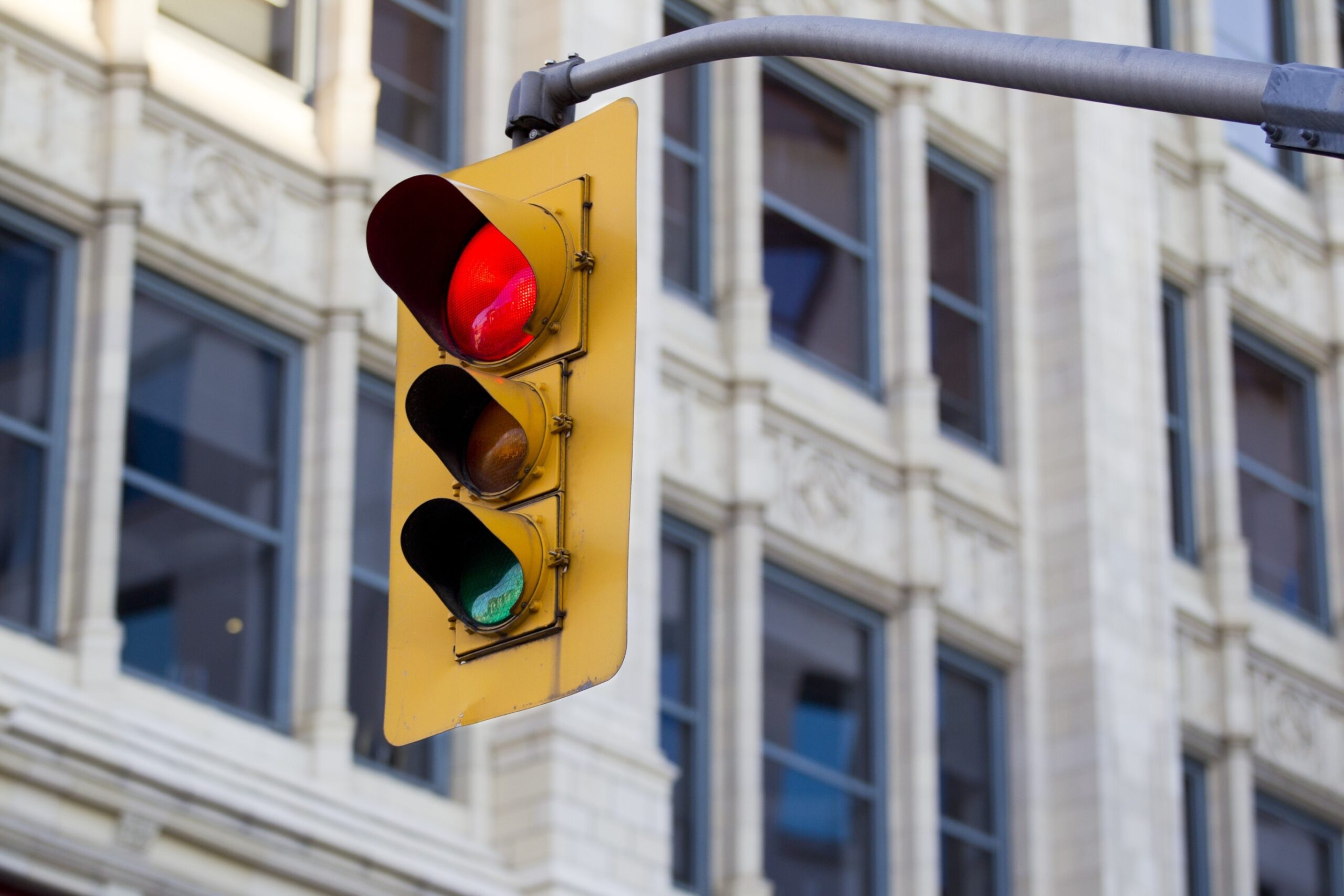
Intersections are high-risk areas where accidents happen frequently, often leading to serious injuries and property damage. These crashes can be confusing because multiple vehicles move in different directions, and drivers react differently to traffic signals.
Understanding liability in red and yellow light accidents is vital for anyone involved in such crashes. Knowing the basics of how fault is evaluated lays the groundwork for gathering evidence, protecting your rights, and building a strong claim.
Red-Light Accidents
A red-light accident happens when a driver enters the intersection after the signal has already turned red. These crashes often include:
1. T-bone collisions (one car hits the side of another)
2. Multiple-vehicle pileups, especially during heavy traffic
Most red-light crashes happen because a driver is distracted, speeding, or trying to cross quickly before the signal changes.
Yellow-Light Accidents
Yellow-light accidents are often tricky because a yellow light means ‘slow down and get ready to stop,’ but many drivers react differently. Some try to speed through because they’re in a hurry, while others misjudge the timing, thinking they can safely cross before the light turns red.
These accidents often happen in situations like
1. One driver speeds up to beat the yellow.
2. Another driver brakes suddenly, causing the car behind to crash.
3. A driver turning left assumes oncoming traffic will stop, but it doesn’t.
4. Two cars enter the intersection at the same time with different expectations.
Why Is It Hard to Decide Fault in These Accidents?
Intersection accidents are more complicated than simple rear-end or stop-sign collisions because multiple factors can affect how and why a crash happens:
Multiple directions of movement: Unlike a rear-end crash, cars at an intersection can be going straight, turning left, or turning right. With vehicles moving in different directions, it’s harder to figure out who came in the right way.
Different interpretations of the yellow light: Yellow-light crashes are especially tricky because it’s not just about the light color. The law allows a driver to go through a yellow if stopping suddenly would be unsafe. So, determining fault depends on driver behavior, speed, and positioning, not just who entered the intersection first.
Because of these complexities, insurance companies need strong, clear evidence before deciding who is responsible in intersection accidents.
Proving Fault in Red-Light and Yellow-Light Accidents
Red-Light Accidents
When a driver runs a red light, the fault is typically clear. Traffic laws require a complete stop at a red signal, so a driver entering the intersection after the light turns red is almost always responsible. Evidence to support your claim may include:
- Traffic Camera Footage: Many intersections have red-light cameras that record vehicles crossing after the light turns red. The videos are time-stamped and show the car’s speed, position, and movement, providing strong proof of a violation.
- Eyewitness Statements: Pedestrians, nearby drivers, passengers, and bystanders can confirm which vehicle ran the red light. If more than one witness supports your side of the story, it makes your case stronger.
- Police Report: Officers investigate the scene, drivers, and witnesses and may issue a citation for running the red light. A citation is strong evidence reflecting a professional assessment of fault.
- Surveillance Cameras: Nearby shops or buildings often have CCTV cameras capturing traffic. These recordings can show the signal change, vehicle speed, order of entry, and driver behavior, helping create a clear timeline of events.
Yellow-Light Accidents
In the case of yellow light accidents, understanding how each vehicle was moving and where it was in the intersection is key to establishing the fault.
- Speed and Vehicle Position: Examining how fast each vehicle was traveling and where it was positioned in the intersection can reveal which driver acted negligently. For example, a car approaching too fast or entering late can create a dangerous situation. These details can often be clarified using witness statements and camera footage, which show how fast the vehicle was moving and where it was at the moment of the crash.
- Accident Reconstruction and Vehicle Data: Experts may analyze skid marks, vehicle damage, and black-box data to recreate the crash and provide a scientific assessment of fault, especially in complex cases.
Key Takeaways
- Intersections are high-risk for serious crashes.
- Red-light accidents happen when drivers ignore red signals.
- Yellow-light accidents are tricky due to varied driver reactions.
- Fault is hard to decide because of multiple movements and the yellow-light rules.
- Cameras, witnesses, and reconstruction help prove fault.