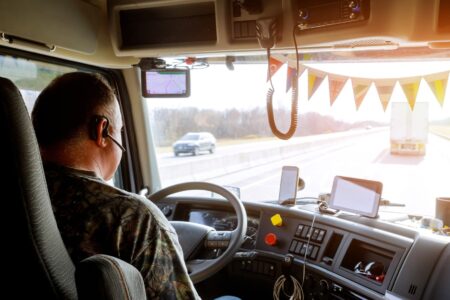

Erratic speed citations are built on something fundamentally different from most traffic violations. There’s no radar gun reading. No timestamp on a camera photo. No precise measurement that establishes the violation objectively. What there is, instead, is an officer’s interpretation of observed driving behavior — their characterization of speed variation as erratic, inconsistent, or unsafe based on what they saw from their specific position under specific conditions.
That interpretive foundation is exactly where defense begins.
A traffic defense attorney reviewing an erratic speed citation isn’t looking for a technicality. They’re examining whether the officer’s interpretation accurately describes what happened, whether the conditions support that characterization, and whether the conduct actually meets the legal standard the charge requires. In a meaningful number of cases, the answers to those questions create real defensible space.
The First Question: What Is the Actual Charge?
This is where an attorney starts — and it’s more important than it sounds.
Erratic speed isn’t a named standalone offense in Missouri traffic law. It gets cited under the reasonable and prudent speed standard in Missouri Revised Statutes § 304.010, or as part of a negligent driving characterization, or sometimes as a contributing factor in a broader multi-charge situation. The specific charge language determines the legal elements the prosecution needs to establish, the point value that attaches if the citation stands, and what defense arguments carry the most weight given the specific framing.
A citation written as negligent driving is analyzed differently than one written as impeding traffic or erratic speed under the prudent speed standard. The charge language shapes everything that follows — which is why reading it carefully before building any response is the essential first step.
Examining the Officer’s Vantage Point
Here’s the thing that most drivers don’t think about when they receive an erratic speed citation: the officer’s observation is a perspective, not a recording. And perspectives have limitations that are worth examining.
An officer observing a vehicle from a stationary overpass position sees speed variation differently than an officer following the same vehicle in moving traffic. The distance between the officer and the vehicle affects what they can accurately perceive about the pattern and timing of speed changes. The presence of other vehicles in the observation field affects whether the observed vehicle’s speed is being compared to genuine traffic flow or to a particular baseline the officer brought to the observation.
An attorney asks specific questions about the observation position — where the officer was, what their line of sight included, how far away the observed vehicle was at different points during the observation, and whether their documented account of the speed pattern is consistent with what could actually be perceived from that position with that level of precision. These aren’t aggressive or adversarial questions. They’re factual inquiries about the reliability of the observation that underlies the charge.
The Traffic Context Defense
One of the most productive defense angles in erratic speed cases is establishing what traffic was actually doing — and showing that the observed vehicle’s speed variation tracked traffic conditions rather than departing from them without reason.
Kansas City highway driving, particularly on I-70 through downtown and the interchanges around the metro, regularly produces speed variation that looks erratic in isolation but makes perfect sense in the context of surrounding traffic density changes. A vehicle that accelerates when a gap opens ahead, slows when brake lights appear, and accelerates again when traffic moves isn’t driving erratically — it’s responding to the flow around it. From an isolated observation position, that sequence can read differently than it actually was.
An attorney builds this argument by examining what traffic conditions existed at the specific time and location, what surrounding vehicles were doing, and whether weather, road work, or other factors contributed to the speed pattern. Evidence that the vehicle’s speed tracked legitimate traffic conditions rather than departing from them without reason challenges the characterization directly.
When the Stop Led to a DWI Investigation
Erratic speed is one of the behavioral indicators officers are trained to watch for as a potential sign of impairment. When the erratic speed observation is the basis for a traffic stop that led to a DWI or DUI investigation, the defense involves both the underlying speed observation and everything that happened at the stop itself.
An attorney examines whether the erratic speed observation actually supported a lawful stop under the Fourth Amendment — whether the observed conduct was sufficient to create reasonable suspicion of a traffic violation or other offense. If the stop itself was constitutionally questionable, that creates arguments about suppression of evidence from the stop that can significantly affect the DWI case.
Field sobriety test administration, the specific tests used, the environmental conditions during testing, and whether test results were properly documented and interpreted all become relevant in DWI cases that originate from erratic speed stops. These cases involve more moving parts than a standard traffic citation, and the defense needs to address all of them simultaneously.
A Missouri traffic ticket lawyer who handles both traffic and criminal traffic matters understands how erratic speed observations connect to DWI investigations and what defense strategy looks like when both dimensions are in play. Speeding Ticket KC works with Kansas City drivers in exactly these situations — bringing the local court knowledge and case-specific analysis that these cases require.
Questions: Drivers Ask About Challenging Erratic Speed Claims
1. How does a defense attorney actually challenge the officer’s erratic speed observation?
By examining the observation conditions, the officer’s position, and whether the characterization of the driving as erratic accurately describes what was happening. An attorney asks where the officer was positioned, what they could accurately perceive from that position, what surrounding traffic was doing, and whether the observed speed variation tracked legitimate traffic conditions rather than departing from them without reason. The officer’s account is one perspective from one position — and perspectives can be examined against the full factual picture.
2. Does it help if the erratic speed was caused by distraction rather than impairment?
Yes — and significantly so, particularly when the stop leads to an impairment investigation. Establishing that speed variation had a non-impairment explanation — distraction, unfamiliar roads, traffic density changes, a developing mechanical issue — undercuts the inference of impairment that the erratic speed observation was used to support. The explanation needs to be documented and presented correctly rather than just offered informally, which is what attorney involvement makes possible.
3. Can video evidence help defend against an erratic speed claim?
Often yes. Dashboard camera footage from the officer’s vehicle, body camera footage, traffic cameras covering the relevant stretch of road, and any civilian video that captured part of the sequence can all provide information about what actually happened — including what surrounding traffic was doing at the time. When video shows the vehicle’s speed tracking legitimate traffic flow rather than varying without connection to conditions, that directly challenges the erratic characterization.
4. What happens when an erratic speed stop leads to a DWI investigation?
The defense needs to address both the traffic violation and the DWI investigation simultaneously rather than sequentially. Whether the erratic speed observation supported a lawful stop, whether field sobriety tests were properly administered, and whether chemical test results are reliable are all questions that interact with each other and with the original traffic stop. Cases that involve both dimensions require legal guidance that understands how each piece affects the others.
5. How early should I contact an attorney after an erratic speed citation or DWI stop?
As early as possible — and immediately if the stop involved a DWI investigation. Evidence preservation, understanding what was documented at the scene, knowing what rights exist before making further statements, and positioning the case correctly from the beginning all benefit from early attorney involvement. Speeding Ticket KC works with Kansas City drivers on erratic speed citations and related criminal traffic matters — and getting involved early in the process consistently produces the broadest range of options available for resolution.