
How Officers Measure Speed Using Time and Distance in Kansas City
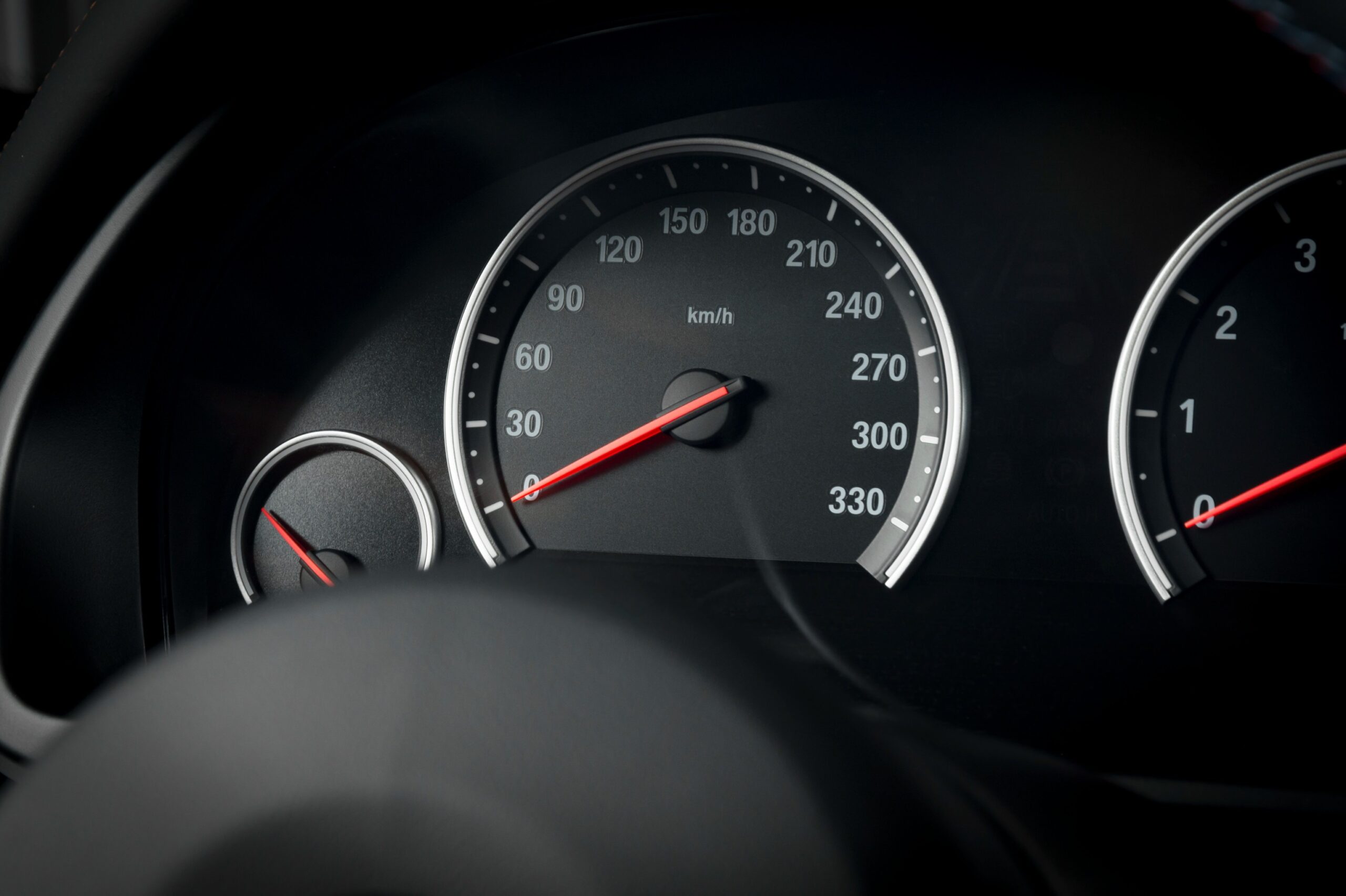
You’ve probably seen an officer parked on an overpass, leaning forward a bit, watching cars slip under the bridge. You assume they’re using radar, right? You know what, that’s not always true. Some Kansas City officers still use time and distance to track speed. The method feels old-school, but it still lands drivers in court more often than you’d think.
This approach looks simple on the surface. It’s almost like the math you learned back in middle school—distance divided by time. The trick isn’t the math. The trick is the timing. When timing shifts even a little, the speed can jump, hitting your record and your wallet fast.
Let me explain how the whole thing works, because once you see how officers use it, you start to see these stops in a new light.
What Time-Distance Really Means
Time-distance speed checks follow one rule: record how long it takes a car to travel between two fixed points. That’s it. It sounds plain, and honestly, it is. This is why the method keeps showing up in traffic stops around the city.
The officer picks two spots on the road. These might be painted marks, signs, concrete seams, or shadows under a bridge. Most drivers never notice them. They blend into the drive, the same way you stop seeing your turn signal light when you’ve used it for years.
Once the officer picks the points, they track how long it takes a car to move between them. They use a stopwatch, a small timing device, or a system like VASCAR. The timing starts when your front bumper reaches the first mark. It stops when you cross the second. After that, the officer plugs the time into the basic distance-over-time formula.
The speed number that pops out becomes the evidence.
How Kansas City Officers Actually Perform These Checks
Kansas City officers use this method in a few places, and once you see the pattern, you notice it everywhere. They use bridges along I-70. They use on-ramps near US-71. They use tall spots near road curves where cars bunch up or pull apart.
Some officers time by hand, but most rely on small devices built for the job. The tools aren’t fancy. They’re closer to a handheld stopwatch with smarter buttons. The officer hits one button when your car reaches point A and hits another when you pass point B. The device does the rest.
Every tool has a margin of error, and that’s where trouble creeps in. When traffic stacks up, the officer might lose sight of a car for a second. When heat lines shimmer on the pavement, the view becomes harder to see. When the officer watches two cars close together, it takes real skill to track the right one.
Drivers don’t see any of this play out. They just see lights in the mirror and wonder what went wrong.
Where Things Can Go Wrong
A method this simple would stay neat and clean. It doesn’t. The slightest shift in timing changes everything. One slip of the thumb adds a few tenths of a second. One blocked view adds more. Even wind-blown dust on a rural stretch can hide a road mark for a second.
Some people think this method is more accurate because it feels math-based. The math is fine. The timing isn’t always. And speed numbers only stay fair when the timing is fair.
This is why people call a Kansas City Traffic lawyer after these stops. Officers must follow training rules consistently. When they don’t, the reading falls apart. Speeding Ticket KC reviews these cases regularly and spots problems quickly because they see the same mistakes across many stops.
And here’s the slight twist. The method seems simple, but that’s what makes mistakes so easy to hide. A tiny slip sticks out less when the process looks plain and basic.
Why Courts Still Allow Time-Distance Evidence
People sometimes ask why courts keep accepting time-distance speed readings. The short answer is that judges trust the math when the officer follows the proper steps. When the officer shows precise timing, a clear view, a known distance, and a working device, courts give weight to the results.
This method works even when radar doesn’t. If the officer sits where radar waves bounce around, or where signs and poles cause interference, time-distance becomes the backup. It’s also helpful when a car moves at a strong angle or passes under steel beams that reflect signals.
Speeding Ticket KC handles many cases in which time-distance checks serve as the primary evidence. The team digs into timing logs, road maps, sight lines, traffic flow, and even weather history. Each piece helps separate strong evidence from guesswork dressed up as math.
What Speeding Ticket KC Looks For in These Cases
When someone brings in a ticket based on time-distance measurements, the first step is breaking the stop into small pieces. You can’t judge the method in a big block. You judge it in moments.
Here’s what a lawyer checks:
- Did the officer track the right car the whole time?
- Did the officer have a clear view of both marks?
- Were the marks spaced the same distance as the officer claimed?
- Was the device tested, logged, or checked for errors?
- Did weather or traffic slow down visibility?
- Did anything distract the officer?
This list looks long, but these small checks decide whether the reading holds up. One gap can change the whole case.
Drivers feel lost when they get these tickets. The method seems scientific, so it feels impossible to challenge. But once you learn how it works, the weaknesses jump out.
Small Things Kansas City Drivers Should Know
If you’re stopped for a time-distance reading, stay calm. Ask the officer which points they used. Don’t argue. Don’t explain. Just listen. That small detail helps your lawyer later.
You’d be surprised how often the officer can’t name the exact marks. When they can’t, the case turns soft. A lawyer can show the court that the officer guessed or mixed up the points.
If you can, take a picture of the area later. Marks fade. Paint chips. Road repair teams patch spots and hide spacing. A photograph taken soon after the stop helps your lawyer show the court what the officer saw—or didn’t see.
Why This Method Still Matters in Kansas City
Time-distance checks aren’t as standard as radar or laser, but they still show up in traffic courts across the city. They fill gaps where devices struggle or where road design makes radar inaccurate. The method hangs around because it’s simple, cheap, and easy to teach.
But simple methods don’t always stay fair. That’s where a trained eye helps. Speeding Ticket KC has handled enough of these cases to recognize problem patterns, and those patterns often make the difference between a clean record and a costly hit.
FAQs
1. How do officers pick the distance points?
They choose clear marks that they can see without moving their view. These can include paint lines, signs, or road seams.
2. Is time-distance evidence legal in Kansas City?
Yes. Courts accept it when the officer proves the timing and distance were accurate.
3. What tools do officers use for timing?
They use stopwatches or timing devices like VASCAR that calculate speed from button taps.
4. Can a driver challenge a time-distance speed reading?
Yes. A lawyer checks timing errors, blocked views, wrong marks, and device issues.
5. How does Speeding Ticket KC help with these cases?
They review every detail of the stop, study road points, look for timing flaws, and build a defense based on the weak spots.