
How Standards Protect Drivers from Faulty Radar Readings in Kansas City
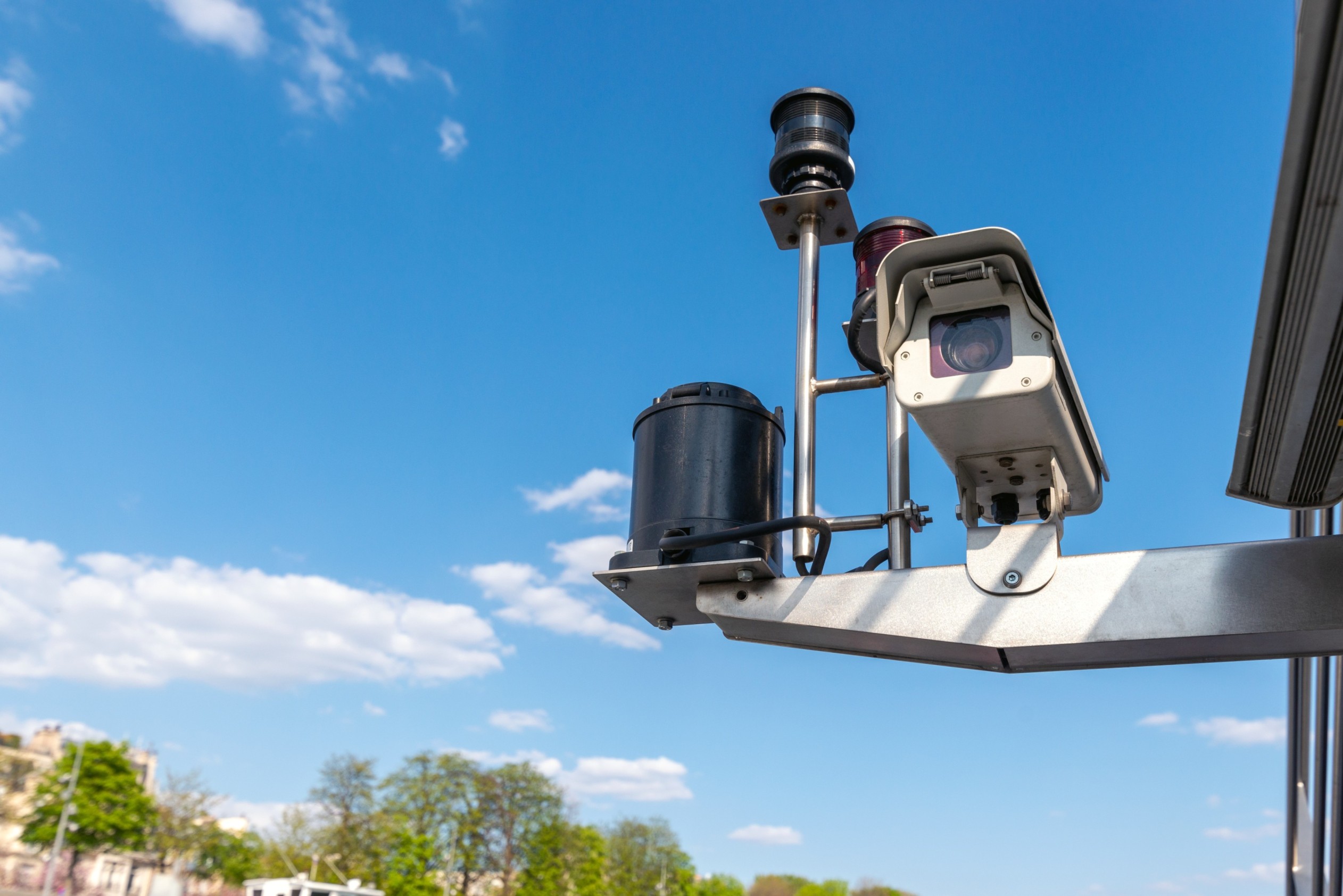
Radar guns look simple from the outside. Officers point, press a trigger, and a number flashes on the screen. Yet behind that short moment sits a long chain of rules meant to keep mistakes away from drivers. Kansas City uses these rules to make sure radar readings are fair, steady, and based on tested methods—not guesswork. And when something feels off, a Kansas City Traffic lawyer often steps in to check whether the rules were followed at every step.
Let’s walk through how these standards work, why they matter, and what they mean for any driver who sees flashing lights in the rearview mirror.
Why Radar Standards Even Exist
People trust numbers more than opinions. A radar reading can feel final, almost locked in stone. But radar guns are machines. They drift. They shake. They glitch. Small things like heat, glare, rain, or simple wear can change how they read speed.
Standards act like a guardrail. They keep the device honest. They force the officer to follow clear steps so a reading doesn’t hang on chance. One skipped test or loose setting can throw off the whole result, which is where proper legal help—like Speeding Ticket KC—can make a real difference.
The Daily Test Rule (Yes, It Must Happen Every Day)
Before an officer uses a radar gun, they’re supposed to run a few quick checks. Think of it like warming up a car in winter. The machine might work without it, but it won’t run right.
These checks usually include:
- A light test
- A tuning fork test
- A display check
- A range check when required
These steps take a minute or two. Yet they matter because they show the radar gun was working at the start of the shift. When lawyers later ask for proof, the officer must show these test results in clear form, or they risk weakening the case.
You’d be surprised how often these logs go missing.
How Weather Can Change a Reading
Kansas City weather changes fast. One hour you see the sun, the next hour rain hits the highway like a curtain. Radar guns react to specific weather phenomena in unexpected ways.
For example:
- Thick rain can scatter waves.
- Heat shimmer can make cars look closer or farther.
- High wind can push small objects that confuse tracking radar.
Does this mean radar guns stop working? No. But it means the officer must judge if the conditions were fair. Standards require officers to use radar only when they can clearly see the car they clock. When the weather blocks a complete view, that reading becomes questionable.
A Kansas City Traffic lawyer often digs into weather logs for this reason. If an officer clocked a car during heavy rain or fog, that reading deserves a second look.
The Human Factor: Training Matters More Than You Think
Radar guns don’t run themselves. Officers must learn how to aim them, when to use them, and how to avoid known mistakes, such as sweeping errors. A slight hand movement during the reading can change the speed shown on the display.
Kansas City requires officers to keep up with training on radar equipment. Manuals say the officer should:
- Judge a vehicle’s speed before pulling the trigger
- Match the radar reading with what they saw
- Stay aware of other moving cars
- Keep the radar steady while aiming
Training teaches these steps. Standards reinforce them. When the officer’s actions don’t match either one, a lawyer may question the reading.
Calibration Standards Keep Radar Guns Honest
Every radar gun needs a tune-up now and then. This is called calibration, and it must follow a set schedule. The machine may be tested by a department tech or sent to an approved lab. Either way, the results must be written down.
Calibration is not the same as the daily tuning fork tests. It’s deeper. It checks the radar’s core accuracy. Without these records, the radar’s reading becomes shaky ground.
Speeding Ticket KC has handled many cases where calibration records were old, incomplete, or missing. When that happens, the ticket can fall apart.
Why These Standards Help Drivers
You might wonder, “Do these rules really help anyone, or are they just paperwork?” They help more than you’d think.
Standards:
- Stop unfair tickets
- Cut human error
- Keep radar tech steady
- Protect drivers from faulty readings
- Give lawyers a way to check the state’s claims
Picture this: a driver gets clocked at 50 in a 35 zone. The officer didn’t run the morning test. The calibration was four months late. The weather was foggy. The radar glitched earlier that day. Without standards, the officer’s word might stand alone. With standards, the driver has a real chance to fight back.
Fairness grows from structure.
What Happens When Standards Aren’t Followed
When radar rules were skipped, lawyers can raise clear questions:
- Was the radar working?
- Did the officer follow the manual?
- Was the weather safe for radar use?
- Were calibration records current?
- Was the reading steady or unstable?
If the state can’t answer these questions with real proof—not guesses—the reading loses strength. That can lead to charges being dismissed or reduced penalties.
Judges often take these questions seriously. Radar readings are strong evidence only when the rules behind them were followed step by step.
Why Speeding Ticket KC Watches These Details Closely
This Kansas City firm handles these cases every day. Their team knows how radar guns work, how logs are kept, and which officers follow strong habits. They check details that most drivers don’t even know exist.
Many drivers think the reading is final. It isn’t. A good lawyer checks the whole path behind the number. And when something looks off, they bring it to court with clear, grounded evidence.
The law is built on proof, not guesses.
Let’s Pause for a Moment
You know what? Standards can sound boring. Yet they’re often the only thing standing between a fair ticket and a flawed one. Radar guns don’t “feel” right or wrong. They just show numbers. People must keep them honest.
That’s why Kansas City keeps these rules in place. And that’s why drivers often seek help when the reading looks wrong or the story feels rushed.
FAQs About Radar Standards in Kansas City
- Can radar guns give wrong readings?
Yes. They can drift, shake, or pick up other cars. That’s why tests and logs matter so much.
- Do officers need special training to use radar?
Yes. They’re taught to judge speed, aim steadily, and avoid known errors.
- Can bad weather affect radar?
Yes. Heavy rain, fog, and heat shimmer can change how radar waves act.
- Can I ask for the radar’s test records?
Yes. A lawyer can request daily test logs, calibration records, and training files.
- Are radar readings enough to convict me?
Only if the state shows that the radar was used and tested the right way.
Final Words
If you need help checking whether your radar reading followed these standards, a Kansas City Traffic lawyer can walk you through every step. Speeding Ticket KC has deep experience in this work and can help you challenge faulty radar claims when the details don’t line up.