How to Recognize the Signs of Drunk Driving – Guest Post
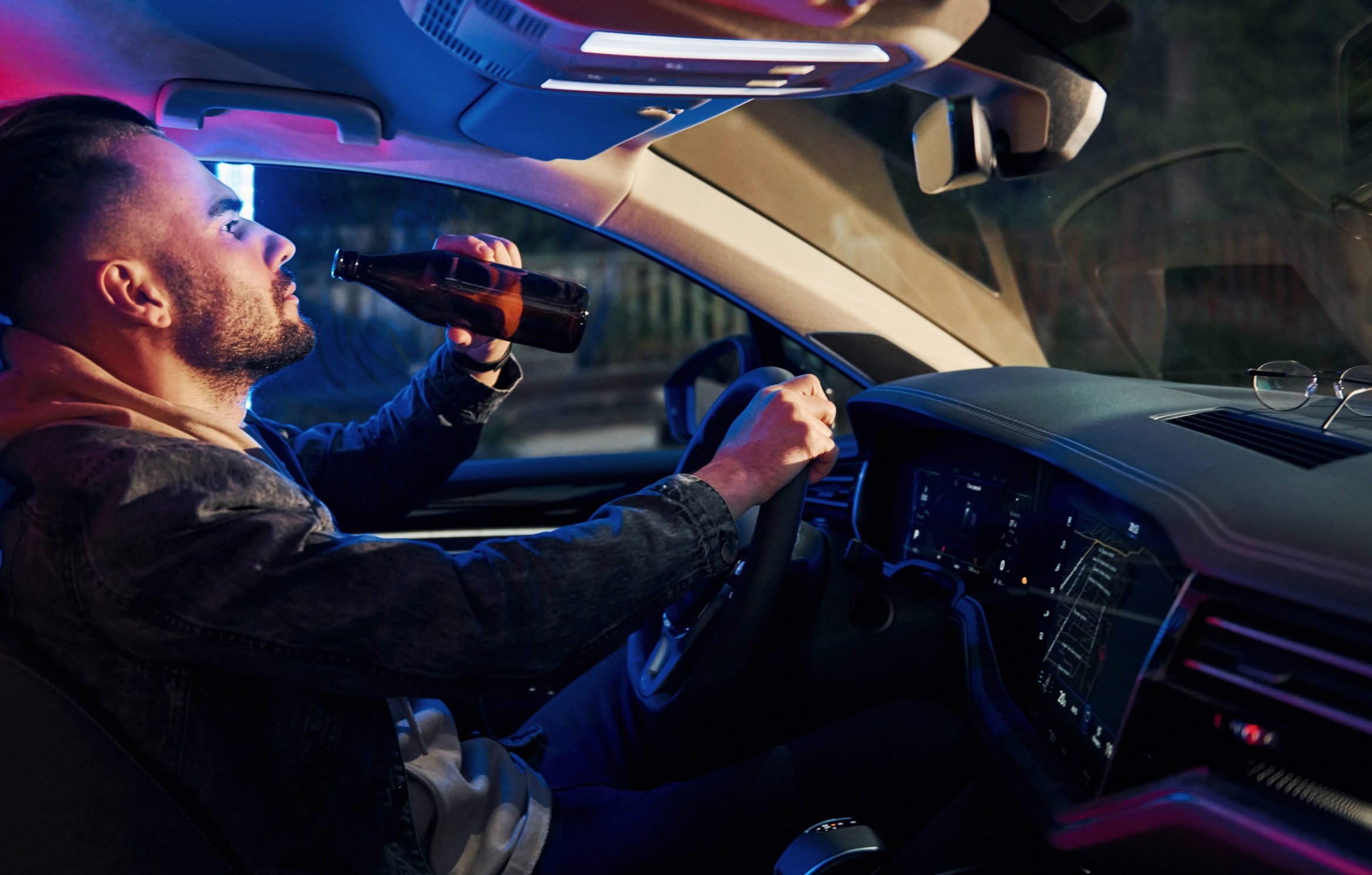
In many countries, drunk driving continues to be a serious threat and leads to fatalities, severe injuries, and harm to civilians. Especially when it comes to drunk drivers, they are a serious threat to road safety. Every day, impaired drivers put fellow car drivers’ and civilians’ lives at risk by getting behind the wheel after consuming alcohol.
Identifying the drunk driving warning signs can help prevent accidents, property damage, and even fatalities. This recognition of drunk driving signs can be a useful awareness to protect everyone on the road, including drivers, passengers, cyclists, and pedestrians.
People who are hit by impaired drivers often face serious injuries, long recovery periods, emotional pain, and unexpected financial burdens. Understanding how drunk driving affects victims makes it clear why this behavior is so dangerous and why recognizing the warning signs early can help prevent heartbreaking outcomes on the road.
What Does Drunk Driving Look Like?
Drunk driving means the driver drives the vehicle while impaired by alcohol. Alcohol seriously affects judgment, reaction time, coordination, and vision, all of which are crucial for safe driving. These impairments often show up through precise and consistent driving behaviors.
Common drunk driving signs include:
- Driving the car by changing lanes or drifting over lane markers frequently.
- Driving below or above the speed limit in an unusual way.
- Delayed reactions to traffic lights or stop signals.
- Abruptly braking or accelerating the vehicle without reason.
- Overtaking other vehicles or leaving unusually large gaps.
- Avoiding traffic signals or road signs.
- Making wide or illegal turns.
These behaviors are often more notable late at night, on weekends, or after major events where alcohol consumption is common.
Steps to Recognize an Impaired Driver on the Road
Identifying a drunk driver in real-time is crucial; it allows you to take action and protect yourself. By following these important steps, you can stay alert and act safely.
- Look for if the impaired driver weaves, drifts, or straddles lane lines. This inconsistent lane changing in repeated movement can definitely be a red flag.
- Watch for any unusual speed patterns that happen without any reason, which often show poor judgment or delayed reaction time. These can be noticeable while the driver drives the vehicle in the traffic and signal areas.
- Sudden stops, applying frequent brakes, or braking far too late at intersections can signal impairment. This kind of inconsistent or unusual braking behavior is indicative of a drunk driver.
- Observe response to traffic signals, like running while red lights blink, stopping at green lights, or hesitating too long before moving.
- The poor turning decisions are considered as the major warning signs of impaired driving, like wide turns, sharp jerks of the steering wheel, or turning from the wrong lane.
- Trust and go behind your instincts. If you or your driver feels unsafe or sees any suspicious activity among your fellow drivers while driving, they probably are. It’s better to assume impairment than to avoid warning signs.
- To avoid being near a suspected impaired driver, drive your vehicle within a safe distance by reducing speed, changing lanes, or pulling over safely to the side of the road.
- If it’s safe, contact local authorities and offer the vehicle’s location, direction of travel, and description.
Key Takeaways
- Warning indications of drunk driving include frequent lane changes, slow responses to traffic signals, and abrupt speed changes.
- The effects of alcohol include impaired thinking, coordination, and reaction time, and increased risk of greater injury in car accidents.
- By driving with an appropriate following distance and contacting law enforcement to report suspected intoxicated drivers, you are helping to reduce the risk of being in an accident.
- Being responsible and protecting yourself protects those who are also on the road.