
I-751 Interview Preparation Tips and Immigration Process Guidance Explained – Guest Post
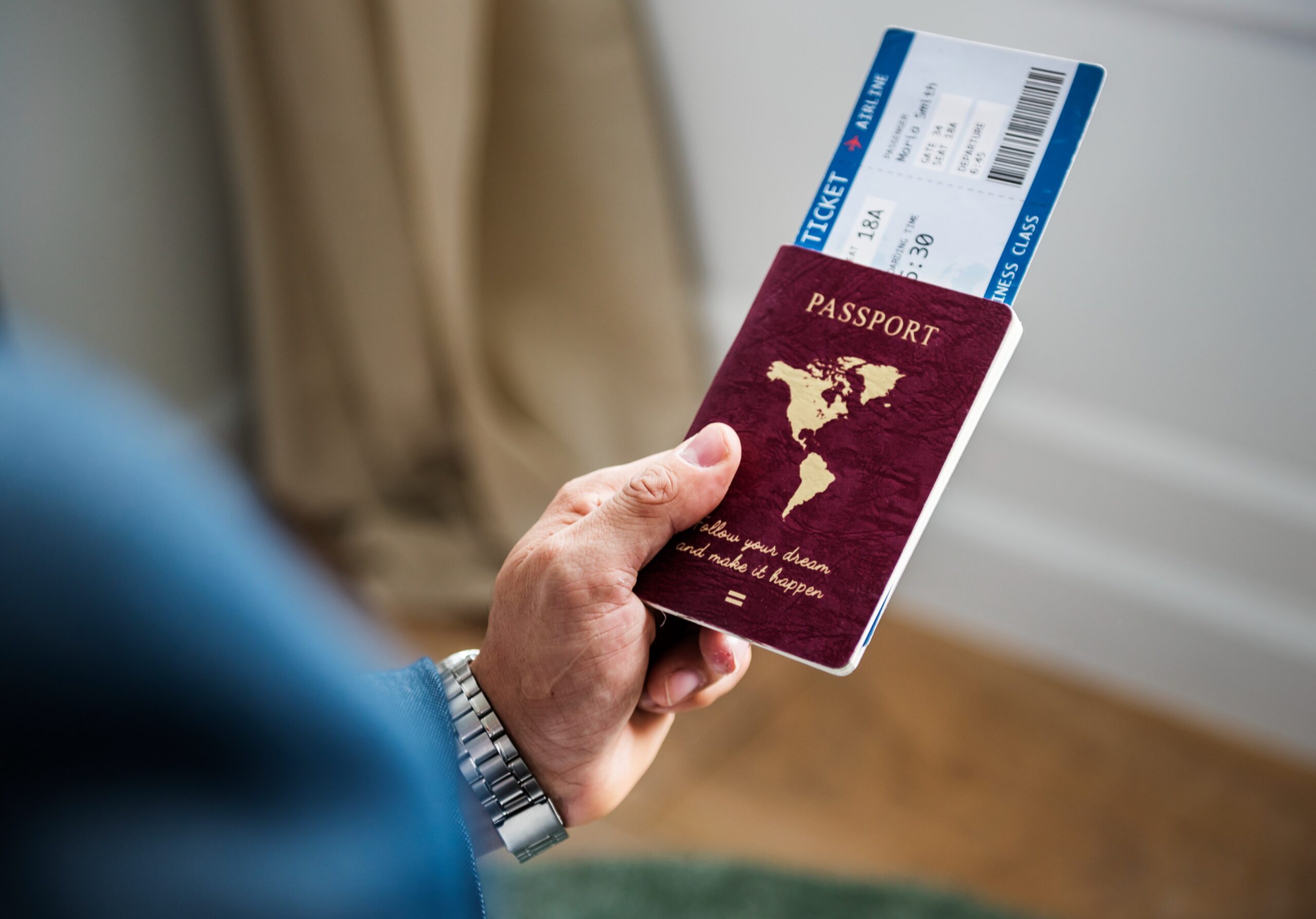
The I-751 interview can feel like the moment everything is on the line, and that pressure is real. Your future in the U.S., your family plans, and your stability all depend on showing your marriage is genuine and your paperwork is correct. SimVisa focuses on this exact stage of the process, guiding you from “nervous and unsure” to calm, prepared, and organized. With experienced immigration professionals and clear online tools, SimVisa helps you understand what officers look for and how to present your story with confidence. If you are serious about removing conditions on your green card, having a focused strategy and the right support can make all the difference.
Document preparation requirements for conditional residency removal
Your I-751 interview is only as strong as the documents you bring with you. Missing or weak paperwork is one of the main reasons people face delays or extra requests from USCIS. SimVisa helps you build a clear, complete document set that matches your application, so you are not guessing what to include. Their team reviews your situation, points out gaps, and organizes your evidence into a package that is easy for an officer to understand. This level of structure can quickly separate you from applicants who show up with random, unorganized documents.
How SimVisa helps you get your documents right
SimVisa focuses on making your document preparation simple and thorough:
- Detailed checklists tailored to your case, not just generic lists.
- Review of your I-751 filing to ensure interview documents match what you already submitted.
- Guidance on which originals and copies to bring and how to organize them.
- Identification of weak spots where extra documentation can strengthen your file.
- Clear reminders so you do not forget key IDs, notices, or appointment letters.
Evidence presentation demonstrating authenticity of marriage
Proving that your marriage is real goes beyond having a marriage certificate. Officers want to see a life built together: finances, housing, daily routines, and shared responsibilities. Many couples have strong evidence but struggle to present it in a way that tells a clear, credible story. SimVisa helps you turn piles of documents into a cohesive picture of your relationship that feels natural and persuasive. This reduces confusion, repetitive explanations, and uncomfortable moments during the interview.
Types of relationship evidence SimVisa helps you organize
SimVisa guides you on what carries the most weight and how to present it:
- Joint financial records: bank accounts, credit cards, loans, and tax returns.
- Shared housing proof: leases, mortgages, utilities, and insurance at the same address.
- Family and life proof: photos over time, travel records, messages, and social media evidence.
- Children and family links: birth certificates, school or medical records, and beneficiary designations.
- Sworn statements: affidavits from friends and family that support your marriage story.
Interview question patterns used by immigration officers
Most I-751 interviews follow recognizable patterns, and understanding these reduces anxiety. Officers usually explore how you met, how your relationship developed, and what your daily life looks like now. They may compare your answers with your forms and documents to see if everything is consistent. SimVisa uses this predictable structure to help you practice realistic questions before the interview. That way, you feel prepared without sounding scripted or memorized.
Common question areas SimVisa prepares you for
Through resources like Preparing for Your I-751 Interview, SimVisa helps you anticipate:
- Relationship history: how you met, important milestones, engagement, and wedding details.
- Daily life: work schedules, routines at home, shared responsibilities, and hobbies.
- Finances and housing: who pays what, how accounts are managed, and details about your home.
- Family and friends: who you spend time with, holidays, and major events you attended together.
- Clarifying issues: previous separations, long trips, or any unusual details in your history.
Consistency in application details influencing approval decisions
Consistency is one of the quiet, decisive factors in I-751 outcomes. If your interview answers, documents, and original petition do not line up, officers may doubt your credibility. Small differences in dates, addresses, or timelines can raise questions, especially when they are not explained clearly. SimVisa helps you carefully review your I-751 filing and supporting evidence so everything tells one coherent story. This preparation allows you to correct misunderstandings and be ready to explain any genuine changes over time.
How SimVisa reduces risky inconsistencies
SimVisa focuses on aligning your information before you walk into the interview:
- Side-by-side review of your I-751, prior filings, and key documents.
- Identification of date or address conflicts that might confuse an officer.
- Coaching on how to explain real changes like moves, job switches, or temporary separations.
- Guidance on updating information when appropriate and how to present those updates.
- Practical tips to stay calm so nervousness does not lead to rushed, inaccurate answers.
Common mistakes that lead to delays or denials
Many denials and delays are caused by avoidable mistakes, not bad cases. People underestimate the interview, bring incomplete evidence, or give unclear answers when they are nervous. Others ignore tricky parts of their history, hoping officers will not ask about them. SimVisa is designed to catch these issues before they hurt your case, giving you a chance to fix them in advance. That proactive approach can save you months of stress and extra requests from USCIS.
Issues SimVisa helps you avoid
With expert guidance, SimVisa steers you away from frequent pitfalls:
- Showing up with disorganized paperwork, loose photos, and missing key records.
- Relying only on a marriage certificate and a few bills as proof.
- Giving short, vague, or inconsistent answers that create more questions.
- Failing to address red flags like past divorces, criminal records, or time spent apart.
- Ignoring USCIS notices or missing deadlines after the interview.
Preparation strategies improving interview confidence and outcomes
Confidence at your I-751 interview is not about acting fearless; it is about being genuinely prepared. When you know your documents, understand likely questions, and have a clear story, your anxiety naturally drops. SimVisa combines practical tools and one-on-one guidance to build that level of readiness. Their focus is not just on forms, but on how you present yourself, your relationship, and your evidence under real interview conditions. This combination often leads to smoother interviews, fewer surprises, and stronger approval chances.
Why choosing SimVisa is a smart move
SimVisa makes I-751 interview preparation more focused and less overwhelming:
- Specialized experience with conditional residency removal and marriage-based cases.
- Clear, step-by-step resources like Preparing for Your I-751 Interview tailored to your situation.
- Personalized support so you are not left guessing what matters most to your officer.
- A structured preparation process that fits your schedule and reduces last-minute panic.
- Actionable feedback that boosts your confidence instead of just telling you to “relax.”
If your I-751 interview is coming up and you want to feel ready rather than worried, this is the time to act. Reach out to SimVisa to review your case, organize your evidence, and practice your interview with professionals who understand what USCIS is really looking for. A short conversation now can protect years of stability for you and your family.