
Interlock Device Alerts in Kansas City: What a Violation Means
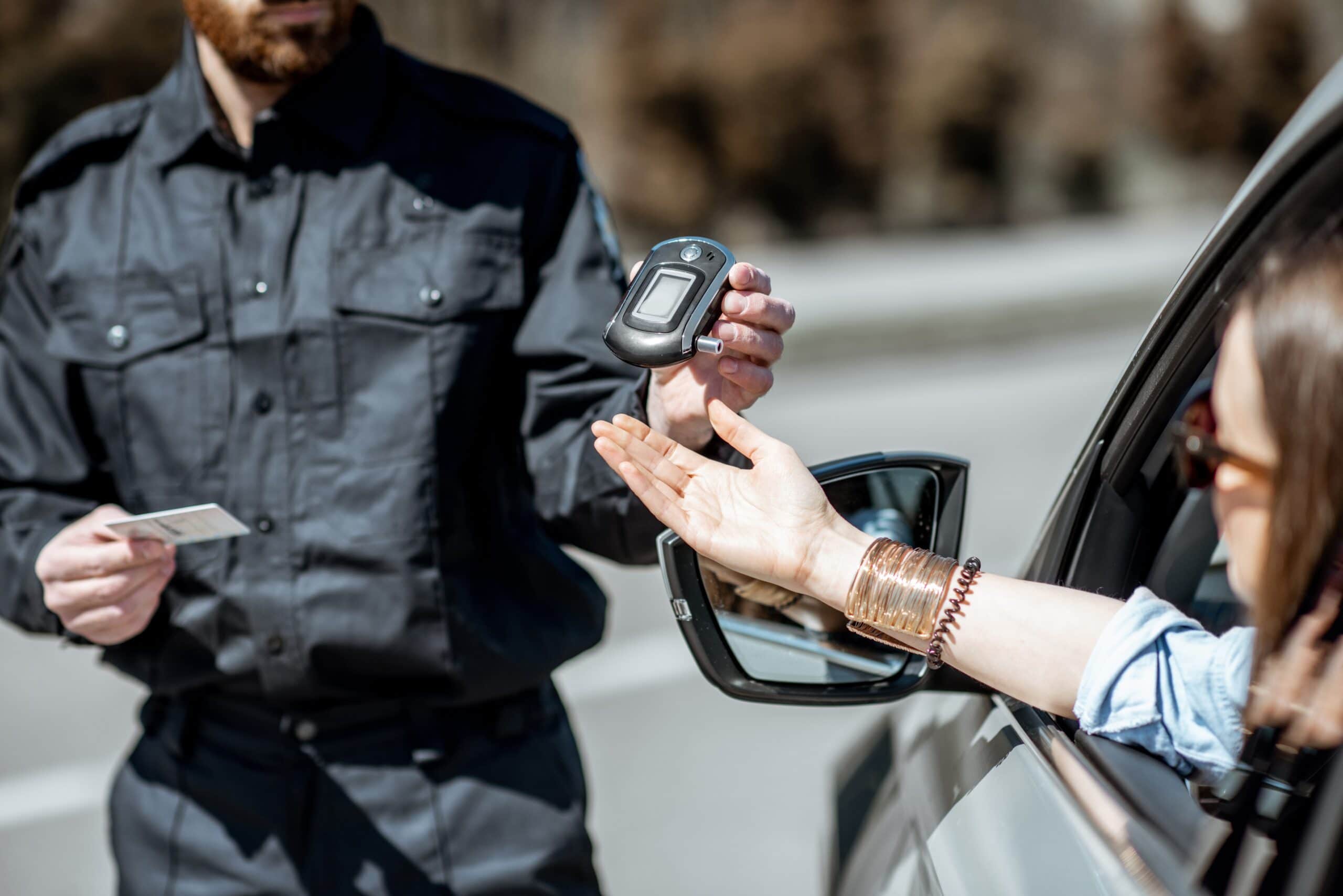
That beep from your car can hit harder than a siren. You’re running late, you blow into the device, and suddenly an alert flashes. Your stomach drops. Interlock device alerts feel small at the moment, but they carry serious weight in Kansas City courts. Many drivers don’t realize how quickly a simple alert can turn into a violation.
Ignition interlock devices exist to keep roads safer. Courts order them after DUI-related cases. The goal sounds simple. Prevent impaired driving. The reality feels more complicated. Alerts don’t always mean someone was drinking, yet the system often treats them that way. Let me explain how these alerts work, what counts as a violation, and what you can do next.
What an Ignition Interlock Device Really Tracks
An interlock device does more than test your breath. It records data. Every blow, every retest, every missed attempt gets logged. Time stamps matter. Patterns matter even more. The device watches for alcohol but also for skipped tests or delayed responses.
Kansas City courts review these logs closely. Judges rely on reports, not stories. Even honest mistakes can look suspicious on paper. That’s why understanding what triggers alerts matters before you face a violation hearing.
Common Interlock Alerts That Raise Red Flags
Not all alerts carry the same weight. Some signals of possible alcohol use. Others point to timing or use errors. Still, each alert creates a record that may reach the court.
Common alerts include failed breath tests, missed rolling retests, late tests, power loss, or tampering warnings. Mouth alcohol from cough syrup or energy drinks can also cause issues. You know what? Many drivers learn this only after the alert appears.
When an Alert Becomes a Violation
Here’s the tricky part. An alert alone isn’t always a violation. A violation occurs when the court determines that the alert violates your interlock rules. That decision often depends on frequency and context. One alert may slide. Several raise concerns.
Missed tests often trigger violations faster than failed ones. Courts assume missed tests suggest avoidance. That assumption hurts drivers who simply didn’t hear the beep or were stuck in traffic. Context matters, but courts won’t guess it for you.
The Emotional Toll Drivers Don’t Expect
Interlock violations carry shame. Drivers feel judged before speaking. Anxiety builds fast, especially for parents, workers, or those already on probation. That stress leads to rushed choices.
Some drivers admit fault too quickly. Others ignore notices and miss deadlines. Both paths create bigger problems. Calm action protects options. Panic shrinks them.
What Courts in Kansas City Usually Look For
Judges focus on patterns, not excuses. They look for repeated alerts, timing gaps, and compliance history. A clean record helps. Long stretches without alerts help more.
Courts also review service provider notes. Technicians record device checks and comments. Those notes often influence outcomes. A skilled traffic lawyer knows how to read between those lines.
False Positives Happen More Than People Think
Interlock devices aren’t perfect. Mouth alcohol causes false positives. Hand sanitizer, some foods, and even dental work can trigger alerts. Devices react to alcohol vapor, not intent.
The problem comes when drivers don’t report these issues right away. Silence looks like guilt. Prompt notes and service visits help protect your record. Documentation matters more than explanations later.
Missed Retests and Real-Life Driving
Rolling retests create stress. Beeps happen while merging, turning, or driving in heavy traffic. Safety comes first, yet missing a retest creates an alert.
Courts expect drivers to pull over safely. That sounds simple, but rarely is. Lawyers often argue these moments using timing data and road conditions. Without help, these arguments fall flat.
Power Loss and Tampering Claims
A dead battery can trigger a power loss alert. So can basic car repairs. Courts sometimes assume tampering, even when none occurred.
Receipts help. Service records help more. Without proof, drivers face uphill battles. Legal help connects everyday car issues to real-world explanations courts accept.
How a Violation Can Affect Your Case
Interlock violations carry real consequences. Courts may extend interlock time, add probation terms, or suspend driving privileges. Some violations reopen old cases.
Insurance rates may climb. Job risks appear for drivers who rely on clean records. These ripple effects make early action critical.
Why Handling This Alone Rarely Works
Many drivers try to explain alerts on their own. Courts listen politely but rely on evidence. Legal rules limit what explanations matter.
A traffic defense lawyer translates device data into legal arguments. That translation often makes the difference. Firms like Speeding Ticket KC handle these cases usually and know where courts focus.
Timing Matters More Than Most Drivers Think
Deadlines move fast after a violation notice. Miss one, and options shrink. Early review allows time to gather records, device logs, and service notes.
Waiting creates stress and limits defense paths. Acting early opens more doors. That’s true in most traffic cases, but especially here.
How Lawyers Challenge Interlock Violations
Defense starts with data. Lawyers review logs line by line. They check calibration dates, alert timing, and record gaps. Small errors matter.
They also compare logs to real-life schedules. Work hours, school runs, and repair dates add context. Courts respond better to organized facts than emotional pleas.
The Role of a Kansas City Speeding Ticket Lawyer
Interlock cases blend traffic law with probation rules. That overlap confuses many drivers. A local lawyer understands both systems and how they interact.
If you’re unsure where to turn, a trusted Kansas City speeding ticket lawyer can explain options clearly and help protect your license.
Speeding Ticket KC and Local Court Experience
Speeding Ticket KC handles traffic and interlock cases across Kansas City. That local focus matters. Each court has habits and preferences.
Knowing what a judge expects shapes arguments. Familiarity builds trust. That trust often softens outcomes when facts allow flexibility.
Small Choices That Protect You Moving Forward
Avoid mouth alcohol before driving. Rinse with water. Wait before testing. Keep service appointments. Save repair receipts.
These habits may seem minor, but they prevent significant stress. Prevention works better than defense, though both matter.
Frequently Asked Questions
1. What does an interlock device alert mean?
Brief answer: It signals a recorded event.
Detailed answer: Alerts log breath failures, missed tests, or system issues. Courts review these logs to decide violations.
2. Can food or medicine cause alerts?
Brief answer: Yes, sometimes.
Detailed answer: Mouth alcohol from foods or medicine can trigger alerts. Reporting issues quickly helps protect your case.
3. Is one alert enough for a violation?
Brief answer: Not always.
Detailed answer: Courts look for patterns, but even one alert can raise issues depending on the rules.
4. What happens after a violation notice?
Brief answer: The court reviews your compliance.
Detailed answer: Possible results include longer interlock time, added probation terms, or license limits.
5. Should I hire a lawyer for an interlock violation?
Brief answer: Often, yes.
Detailed answer: Lawyers review device data, challenge weak claims, and help protect your driving record.
Final Thoughts
Interlock device alerts feel small but carry weight. Kansas City courts take them seriously, even when drivers didn’t intend harm. Understanding how alerts turn into violations gives you control back.
You don’t have to guess your way through this. With clear facts, steady action, and the right legal help, many drivers avoid the worst outcomes. Sometimes the most brilliant move comes after that first unexpected beep.