
Kansas City Traffic Citations for Striking a Parked or Stopped Vehicle
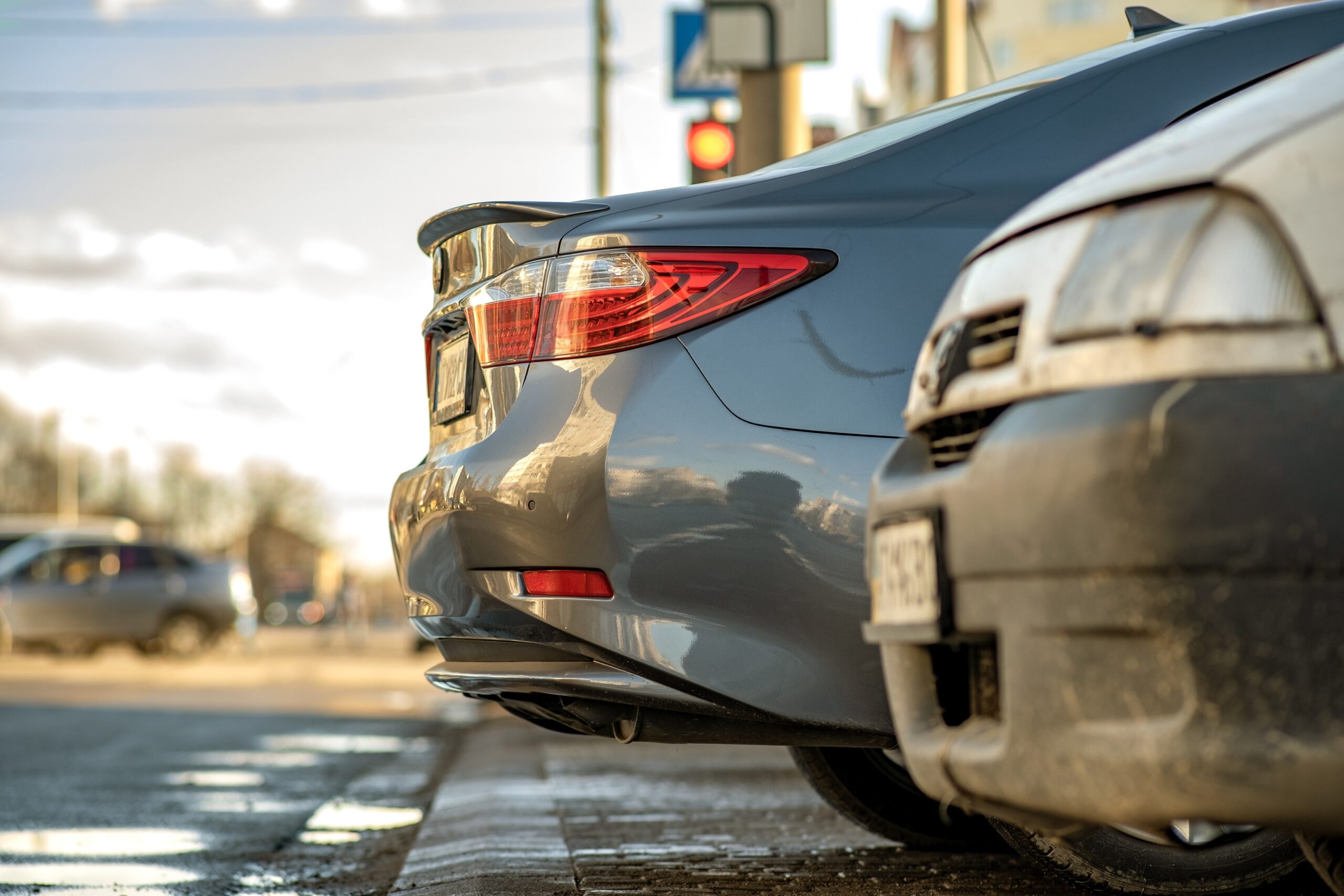
It usually starts quietly. No screeching tires. No shattered glass. Just a bump that feels smaller than it really is. You step out, look around, and realize you’ve hit a parked or stopped car.
Most Kansas City drivers assume this kind of accident stays simple. Exchange information. Call insurance. Move on. Sometimes that happens. Other times, a traffic citation enters the picture, changing everything.
Missouri law treats these incidents more seriously than people expect. Even low-speed contact can lead to fines, points, or court involvement. The moment you strike a stationary vehicle, the legal lens shifts to responsibility.
Let’s talk through how these citations work, why they carry weight, and what drivers should understand before brushing them aside.
Why the Law Treats Parked Vehicle Accidents Differently
When one car is stationary, the law assumes the moving driver had control. That assumption drives nearly every citation tied to parked or stopped vehicles.
Kansas City officers rely on that principle. If the other car wasn’t moving, they often view the incident as preventable. Speed doesn’t matter much. Neither does intent.
A scratched bumper still counts. A cracked mirror still matters. Damage alone can trigger a citation, even if no one was hurt.
This approach frustrates drivers, but it remains consistent across Missouri courts.
How These Accidents Usually Happen
Most parked-vehicle collisions occur during everyday driving. They don’t involve reckless behavior or distractions. They happen during normal routines.
Backing out of a driveway too quickly. Misjudging space while parallel parking. Turning too tightly in a crowded lot. Downtown Kansas City presents tight streets that leave little margin for error.
Weather plays a role, too. Ice, slush, and rain reduce traction and visibility. While those conditions explain accidents, they rarely excuse them in court.
Drivers often replay the moment later and think, “That should not have happened.” Unfortunately, that thought arrives after the citation is written.
What the Citation Often Includes
Citations tied to parked vehicle accidents usually fall under careless driving or failure to maintain control. Some also include failure to report an accident.
Each charge carries different consequences. Some bring points. Others lead to fines or mandatory court dates. The combination depends on what happened after impact.
If damage is visible, officers almost always document it. That documentation becomes part of your driving record and insurance file.
The Duty to Stop Is Not Optional
Here’s where many drivers make things worse without realizing it.
Missouri law requires drivers to stop after striking a parked vehicle. You must make a reasonable attempt to locate the owner. If the owner isn’t present, you must leave a written notice with your contact details.
Failing to do this creates a separate violation. Courts view leaving the scene as a serious offense, even when the damage is small.
Many drivers panic and leave, planning to return later. That decision almost always escalates the case.
How Insurance Complications Begin
Insurance companies get involved quickly. Claims start moving within hours. Statements are requested. Fault assessments begin.
A traffic citation strengthens the insurer’s position against you. Even when repairs are covered, premiums often rise afterward.
That increase sticks around. Drivers feel it months later when renewal notices arrive. The long-term cost often outweighs the initial repair bill.
Points and Driving Record Impact
Not every parked vehicle citation adds points, but many do. Points build quietly. Drivers often don’t notice until it becomes a problem.
Accumulated points increase suspension risk. They also affect how future tickets are handled. Judges look at patterns, not isolated events.
For drivers whose jobs depend on clean records, even one citation can create ripple effects.
Parking Lots Are Not a Free Pass
A common belief is that parking lot accidents don’t count. That belief causes trouble. Traffic laws still apply in many parking lot situations, especially when unsafe driving or damage occurs. Officers may issue citations even on private property.
Courts focus on behavior, not ownership of the pavement. That surprises many drivers after the fact.
When Fault Isn’t So Clear
Not every case fits neatly into blame categories. Sometimes the parked vehicle was illegally positioned. Sometimes, road markings were unclear. Sometimes damage attribution is disputed.
These details matter. Photos, witness statements, and timing often shape outcomes. Officers don’t always catch every factor in their initial report.
That’s why reviewing the facts matters before accepting responsibility outright.
How Weather Is Viewed by Courts
Kansas City weather complicates driving. Ice storms and heavy rain quickly reduce control. Still, courts expect drivers to adjust their behavior to conditions. Slower speeds and added caution are assumed.
Weather explains accidents. It rarely removes responsibility. That distinction frustrates drivers but remains consistent in rulings.
Why Legal Review Changes Outcomes
Traffic law looks simple until you’re inside it. Charges, codes, and court procedures add layers that drivers don’t expect.
A traffic defense lawyer reviews the citation and accident report closely. They check whether the charge matches the facts. Errors surface more often than people think.
Speeding Ticket KC focuses on traffic cases in Kansas City, including accidents involving parked vehicles. Their familiarity with local courts helps drivers avoid unnecessary penalties when options exist.
When multiple issues overlap, working with a Missouri traffic ticket lawyer keeps everything handled through one coordinated approach.
Timing Makes a Bigger Difference Than Drivers Realize
Waiting feels harmless. It isn’t. Evidence fades quickly. Witness memories blur. Camera footage may disappear. Deadlines arrive quietly.
Early action creates leverage. Negotiations happen before court calendars fill. Once hearings begin, options narrow.
The Emotional Side Nobody Talks About
These accidents carry emotional weight. Guilt, frustration, and anxiety settle in fast. Insurance calls interrupt work. Court notices arrive unexpectedly. Stress spills into daily life.
Addressing the issue early helps contain that stress instead of letting it grow.
Small Damage, Large Consequences
Here’s the contradiction drivers struggle with most. Minor damage can still create major problems. Courts don’t measure impact by dent size. They measure conduct and compliance.
That’s why many drivers challenge citations even when repairs seem manageable.
Practical Steps After Striking a Parked Vehicle
First, stop immediately and ensure safety. Never leave the scene. Second, document everything. Photos help more than memory later.
Third, locate the owner or leave a written notice with full contact details. Follow reporting rules carefully.
Finally, seek legal guidance before court deadlines approach.
FAQs About Kansas City Parked Vehicle Citations
1. Is hitting a parked car automatically careless driving?
Not always, but it often is. Officers usually cite careless driving when a moving vehicle strikes a stationary one.
2. Will my license receive points for this violation?
Some citations include points. Others don’t. The specific charge determines the outcome.
3. What if the other car was parked illegally?
Illegal parking may affect fault. Evidence and documentation matter greatly in these cases.
4. Do I have to report very minor damage?
Yes. Even small damage requires proper steps, including notice or reporting when required.
5. Should I fight a citation for a minor accident?
Many drivers benefit from review. Reduced charges or fewer points can protect long-term records.
Final Words
Striking a parked or stopped vehicle feels like a small lapse, yet Kansas City law treats it with care and consequence. The choices made immediately afterward shape everything that follows. With timely action and informed guidance, many drivers limit lasting damage and move forward with confidence.