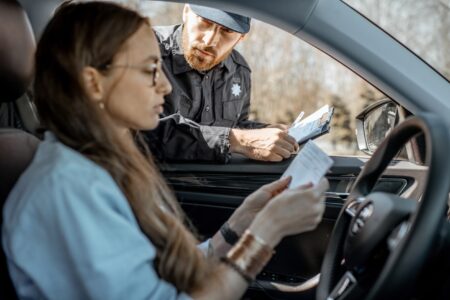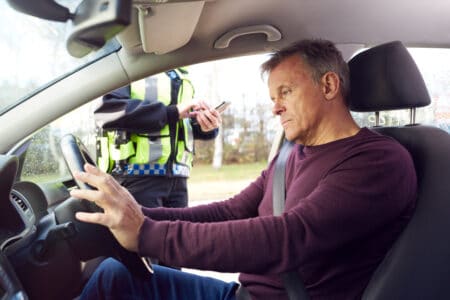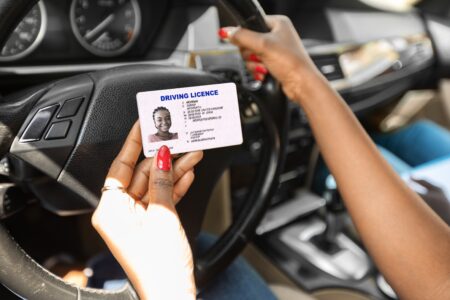

The situations that bring people to criminal court over unauthorized vehicle use rarely look like what most people picture. It’s not always a stranger breaking into a car in a parking lot. More often it’s a roommate who grabbed the keys without asking, a family member who assumed permission existed when it didn’t, or an employee who took a work vehicle somewhere it was never authorized to go. The circumstances are messy and personal — and Missouri law doesn’t grade on messiness.
If you’re facing this charge in Kansas City, or you’re trying to understand what it actually means before a court date arrives, here’s what you need to know.
What Missouri Law Actually Prohibits
Missouri law under RSMo § 570.080 makes it a crime to operate a motor vehicle knowing that the owner hasn’t given consent for its use. The statute doesn’t require permanent intent to steal. It doesn’t require hot-wiring or force. Taking a vehicle temporarily — even with every intention of returning it — satisfies the definition if permission wasn’t given first.
First offense is a Class A misdemeanor. Up to one year in jail. Fines reaching $2,000. Second conviction within five years escalates to a Class E felony — up to four years in prison. Cross-state lines with an unauthorized vehicle and federal statutes enter the picture on top of everything Missouri law already provides.
This is criminal court territory, not a traffic violation. A conviction goes on your record, shows up in background checks, and follows you through employment screenings, housing applications, and professional licensing processes long after the case is closed.
The Consent Question — Where Most Cases Actually Turn
Consent is an absolute defense. If the owner gave permission, there’s no crime. The problem is that most vehicle-borrowing in everyday life happens verbally, informally, and without documentation. Nobody signs a form before tossing keys across a kitchen counter.
When the relationship sours and the owner decides they didn’t actually consent — or when they report the vehicle as stolen before the driver returns — the absence of documentation becomes a serious problem. The driver’s account competes directly against the owner’s account, and without something concrete to support it, that’s a difficult position to defend from.
Prior patterns of borrowing can help build an implied consent argument. If someone has routinely used a vehicle without objection over an extended period, that history can support a reasonable belief that permission existed. But courts look carefully at whether that history actually extends to this specific instance — this distance, this duration, this day — rather than just establishing a general pattern.
The consent defense weakens considerably when the relationship between the parties had already broken down before the incident, when the vehicle was taken from a location that suggested the owner was preventing its use, or when the driver was absent significantly longer than any prior use would have established as normal.
Where These Cases Come From in Kansas City
Family disputes. That’s where a disproportionate share of these charges originate. A couple splitting up, one person taking what they consider a shared vehicle before any legal agreement has been reached. An adult child taking a parent’s car after a fight. A sibling borrowing a vehicle once too often and then once more after they were told not to.
Workplace situations generate their own category. Employees who use company vehicles for personal purposes outside what their employer authorized — running a personal errand in the delivery van, using a company truck over the weekend for a private job — face this charge when employers decide to pursue it rather than handle it internally.
Roommate situations round out the common sources. Keys left accessible, informal borrowing that worked fine until the day it didn’t, and assumptions of permission that the vehicle owner flatly disputes.
None of these scenarios are straightforward. All of them end up in criminal court in Kansas City with some regularity.
A Missouri traffic ticket lawyer who handles criminal matters can review the specific facts and give you a realistic assessment of where your situation actually stands.
How Speeding Ticket KC Handles These Cases
Speeding Ticket KC is a recognized law firm in Kansas City, Missouri. They handle traffic and criminal defense — including unauthorized vehicle use charges — for people who need honest answers about what they’re facing and what options genuinely exist.
Their attorneys examine the specific circumstances. What was the relationship between the parties? Was consent given, implied, or absent? What documentation exists? What does the charging document actually allege? What realistic outcomes exist — diversion, a negotiated reduction, dismissal based on the specific evidence? Each case gets analyzed on its actual facts rather than pushed through a standard process.
Questions People Actually Ask
1. Is unauthorized vehicle use the same as auto theft in Missouri?
Related but legally distinct. Auto theft — stealing a vehicle with intent to permanently deprive the owner — carries more serious charges under Missouri’s theft statutes. Unauthorized vehicle use under RSMo § 570.080 doesn’t require that intent. Taking a car temporarily, without permission, is enough for the charge. The distinction matters in terms of how the offense gets classified and prosecuted, but both are criminal charges — the lesser one isn’t a traffic ticket, and it shouldn’t be treated like one.
2. What happens if the owner later says it was fine?
It’s relevant but not necessarily dispositive. The question is whether consent existed at the moment of taking. An owner who subsequently decides not to cooperate with prosecution can affect how aggressively the case gets pursued, but it doesn’t undo the violation that already occurred under Missouri law. Cases where owners decline to participate often resolve more favorably — but that outcome isn’t guaranteed and shouldn’t be counted on without legal guidance on how to actually get there.
3. Can this charge be reduced or dismissed?
Yes, and it all depends on the context. Often, first-time offenders, with a genuine consent defense, a cooperative relationship with the owner, or unique mitigating considerations, have significant room to compromise. Missouri’s diversion programs allow certain first-time offenders to meet requirements — such as community service, restitution, or no new offenses for a specified time period — in exchange for dismissal. That depends on your prior record, the exact facts, and the prosecutor’s office handling the case. A Kansas City attorney with courtroom experience can tell you what is realistic in your particular scenario.
4. What if the vehicle was something I considered mine partly?
These cases have ownership disputes which are not in pure stranger situations. If you have a valid claim to the car, such as a joint purchase, a verbal agreement about joint use, or title issues in a marital dispute, such facts are important to the question of consent and to any defense. They don’t instantly decide the charge, but they are the sort of specific condition that impacts how a case gets judged and what arguments carry weight. Record the history of ownership and any agreements between the parties as thoroughly as possible.
5. What should I do immediately after being charged?
Contact a lawyer before your first court appearance — not after. The early decisions in criminal cases shape everything that follows: how the charge gets framed, what plea options are offered, how the consent question gets presented from the start. Trying to explain the situation to police or prosecutors without representation often creates problems that take significant effort to address later, even when your account is completely truthful. The same day you’re charged is when you should be making that call.