
Missing Double or Triple Trailer Endorsement in Kansas City: Legal Guide
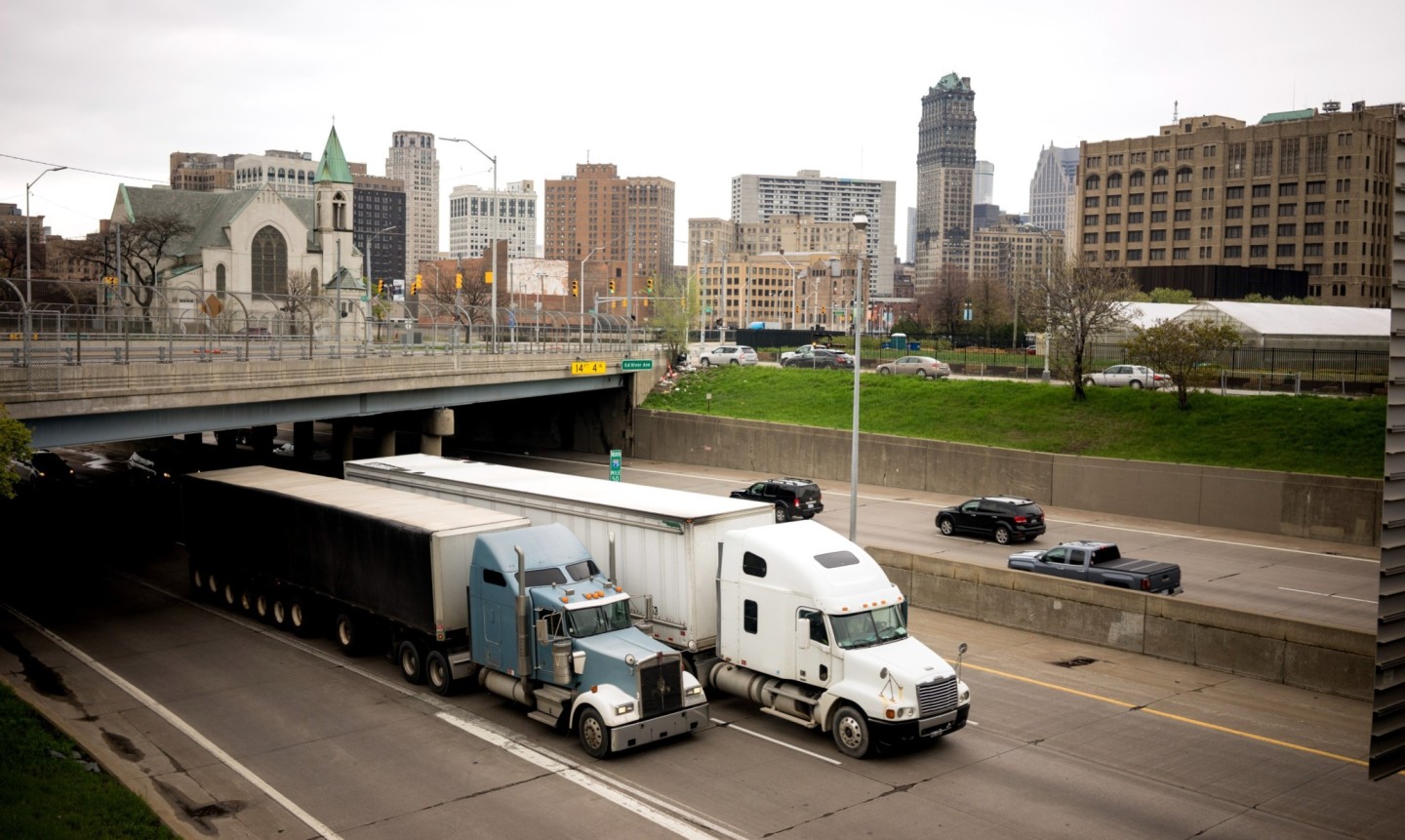
Most commercial drivers know their CDL inside out. They’ve logged the hours, passed the tests, built the experience. But endorsements — those specific add-ons that authorize particular types of hauling — sometimes get overlooked in ways that feel administrative until suddenly they don’t. You’re pulling doubles on a Kansas City route you’ve run a hundred times, and during a roadside inspection or a routine stop, someone notices the T endorsement isn’t on your license.
That moment changes the shape of your day fast.
Operating a double or triple trailer combination without the proper endorsement isn’t a technicality that gets waved through. It’s a violation that carries real consequences — for your CDL, for your employment, and for your record. Understanding exactly what you’re facing and what options exist is where everything starts.
What the T Endorsement Actually Is
Let me explain this simply, because it matters more than people realize when they’re in the middle of a violation.
The T endorsement — officially the Doubles/Triples endorsement — is a required addition to a commercial driver’s license authorizing the operation of vehicles pulling two or three trailers simultaneously. It’s separate from the standard CDL. You can hold a valid Class A CDL and still be operating illegally if you’re pulling doubles without that T on your license.
Federal Motor Carrier Safety Administration regulations require it. Missouri state law enforces it. And during roadside inspections — which happen with real frequency on Kansas City’s major freight corridors — inspectors check for it specifically. It’s not buried in fine print that nobody reads. It’s a line item on your license that either appears or doesn’t.
How These Situations Actually Happen
Here’s the thing — most drivers cited for missing endorsements aren’t cowboys trying to skirt regulations. They’re experienced professionals who ran into a gap somewhere in the administrative process.
Maybe an employer assigned the load without verifying endorsement status first. Maybe the driver assumed their CDL covered the configuration based on prior experience with a different carrier. Maybe the endorsement expired during a renewal cycle and nobody caught it. These situations are surprisingly common, and the circumstances behind them matter when it comes to building a response.
None of that eliminates the violation. But context shapes everything about how a case gets handled — by enforcement, by prosecutors, and by the administrative bodies that oversee CDL records.
What You’re Actually Facing
Operating without a required CDL endorsement in Missouri is a serious traffic violation under both state law and FMCSA regulations. The immediate consequences include fines — which can be substantial — and a citation that goes directly onto your commercial driving record.
But the fine is almost the smaller concern here. The CDL record implications are what keep experienced drivers up at night. Under federal regulations, operating a commercial vehicle in violation of your license restrictions is classified as a serious traffic violation. Two serious violations within three years triggers a 60-day CDL disqualification. Three within three years means 120 days. During those windows, you cannot legally operate a commercial vehicle — period.
For drivers whose entire livelihood depends on their CDL, 60 days off the road isn’t an inconvenience. It’s a financial crisis. And it compounds fast if there are other violations already sitting on the record from recent years.
Employers find out too. MVR checks are routine in the trucking industry. A missing endorsement violation raises flags during those reviews in ways that affect assignments and, in some cases, continued employment. Insurance carriers notice as well — and they act on what they find.
Where a Defense Actually Comes From
People assume that a missing endorsement citation is airtight — that there’s nothing to examine or challenge. That assumption costs drivers more than it should.
Was the citation written correctly? Does it accurately describe the configuration being operated? Was the inspection conducted properly and within legal parameters? Was the employer potentially liable for assigning the load without verifying credentials? These are legitimate questions with legal weight, and they deserve examination before any decisions get made about how to respond.
There’s also the question of remediation. In some situations, obtaining the endorsement promptly after the violation and demonstrating compliance can influence how the case moves through the system. An attorney who understands both Missouri traffic law and FMCSA regulations knows how to position that proactively.
A Kansas City traffic ticket lawyer with real CDL violation experience understands the dual framework — state enforcement and federal regulation — that these cases operate within. Speeding Ticket KC works with commercial drivers across Kansas City facing endorsement violations and brings the local court knowledge that shapes actual outcomes. Getting that guidance before you respond to the citation changes what options remain available.
Questions Commercial Drivers Ask About This Violation
Can I get cited for a missing endorsement even if my CDL is otherwise valid?
Yes — absolutely. A valid CDL without the required T endorsement doesn’t authorize you to pull double or triple trailer combinations. The endorsement is a separate authorization that must appear on your license. Inspectors and officers check specifically for endorsements during roadside inspections and traffic stops. Having a clean, current CDL in every other respect doesn’t protect you from a citation if the specific endorsement required for your configuration is missing.
Does this count as a serious traffic violation under federal rules?
Yes. Operating a commercial vehicle in violation of a license restriction — which includes missing a required endorsement — is classified as a serious traffic violation under FMCSA regulations. Two serious violations within three years triggers a 60-day CDL disqualification. Three within three years means 120 days off the road. The federal framework runs parallel to whatever Missouri state consequences apply, and both hit simultaneously. That stacking effect is what makes these violations significantly more serious than they first appear.
What if my employer assigned me the load without checking my endorsements?
It happens — and it matters legally. FMCSA regulations place responsibility on both drivers and employers for ensuring proper endorsements are in place before operating specific vehicle configurations. If an employer assigned the load without verifying your credentials, that creates potential employer liability that factors into the overall picture. It doesn’t automatically eliminate your citation, but it shapes the context of a defense and opens questions about where accountability actually sits.
Can getting the endorsement after the violation help my case?
It can — depending on timing and circumstances. Obtaining the T endorsement promptly after the citation demonstrates a good-faith effort toward compliance, and that context can influence how prosecutors and administrative bodies respond to the violation. It doesn’t erase the citation, but it shifts the narrative from negligence toward a correctable gap — which matters in how cases get resolved. An attorney can advise on exactly how and when to pursue the endorsement to position it most effectively.
Is it worth getting legal help for an endorsement violation?
For a CDL holder — yes, without question. The stakes here are categorically different from a standard traffic ticket. Disqualification risk, employer notification, insurance implications, and the compounding effect of prior violations on your federal record all make legal guidance far more valuable than the cost of the consultation. Speeding Ticket KC handles CDL endorsement violations across Kansas City and understands how to navigate both the state and federal frameworks that apply. A conversation before you respond to the citation is worth far more than most drivers realize until they’ve already made decisions they can’t take back.