
Radar Warning Offenses in Kansas City: What Drivers Need to Know
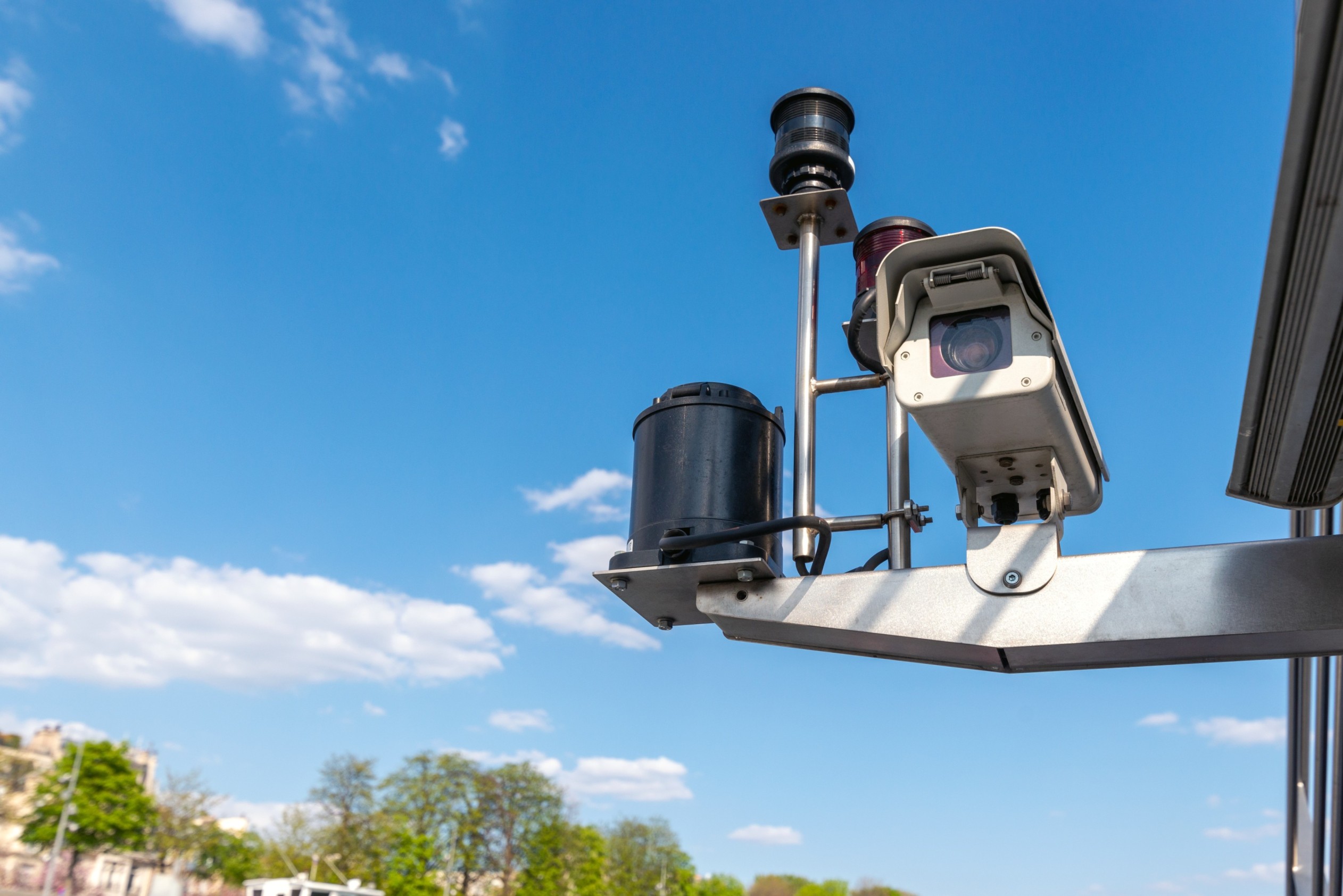
Most drivers think radar issues only come up when an officer clocks their speed. But Kansas City has a few rules about radar warning devices that catch many people off guard. And when a simple drive ends with blue lights in the rearview mirror, the stress builds fast. If you’ve been there, you know that tight feeling in your chest when you wonder how bad this is going to get.
Radar warning offenses fall into that odd space where tech, traffic laws, and officer discretion all meet. It’s not the same as a regular speeding ticket, even though they often show up together. And that’s where folks get tripped up. So let’s slow down and walk through what these charges mean, why they matter, and how a Missouri traffic defense lawyer—like the team at Speeding Ticket KC—can steady the situation.
What counts as a radar warning offense?
Radar warning offenses include using or installing a device that alerts you when police radar or laser tools are near. These are often called radar detectors or jammers. The rules sound simple, yet the small details matter. Kansas City police don’t always treat radar tools the same way Missouri state law does, and that difference can confuse drivers.
Missouri allows radar detectors in most private vehicles. Kansas City does too. But radar jammers—devices that block or confuse police signals—are illegal. And if an officer thinks your device crosses that line, you might face fines or equipment violations.
Some drivers get cited because the device is mounted in the wrong spot. Others get cited because the officer thinks the device interferes with enforcement tools. You’d be amazed at how many people don’t even know the difference between a detector and a jammer.
And to be fair, why would they? When you’re late for work, you’re not thinking about signal interference laws.
Why radar offenses feel more serious than they look
On paper, a radar warning offense is small-time compared to reckless driving or high-speed tickets. But in practice, it can snowball. Officers often issue these charges along with a speeding ticket. Now you’re not fighting one citation—you’re fighting two.
Here’s where things get tricky:
- Insurance companies may see it as a sign you planned to speed.
- Courts sometimes attach higher fines or court costs.
- Commercial drivers face stricter rules, since detectors are banned in many commercial vehicles.
For CDL drivers, even having a detector in the cab can cause trouble. And if you drive for a company that’s tight about compliance, one ticket can throw off your livelihood for months.
I’ve heard folks say, “It’s just a gadget issue—it can’t be that serious.” But when your insurance jumps or your employer calls you into the office, it stops feeling small.
How officers detect radar devices
You might wonder, “How can the police even tell I have a radar device?” I get that question a lot.
Officers usually spot them in three ways:
- Visible mounts on the windshield or dash
- Reflected signals picked up by police radar tools
- Traffic stops where the officer simply sees the device inside the vehicle
If you keep the device on the windshield near the rearview mirror, it’s often the first thing an officer sees when they approach your car window. And once they see it, the rest of the stop can shift quickly.
Some officers treat detectors like red flags, assuming the driver is trying to outsmart the law. That mindset changes the tone of the stop. Drivers often tell me they felt judged before they even said a word.
What Kansas City law actually says
Here’s the plain version, without the legal jargon:
- Radar detectors: legal for most passenger cars
- Radar jammers: illegal because they interfere with police tools
- Commercial vehicles: detectors are usually banned
- Improper mounting can lead to extra violations
Kansas City also has local rules about windshield obstruction, so if the device blocks your line of sight, it can be another citation stacked on top of the first. The law might feel picky, but that’s how it’s written.
And the most significant issue? Interpretation. Two officers can treat the same device differently. That’s why cases often rest on arguing the facts, not just the law.
Why do drivers fight radar charges instead of paying the fine
Some folks pay the fine just to “get it over with.” But many realize later that the real cost comes from insurance or driving record points. This is why lots of people fight radar charges—even when the fine seems small.
You might want to fight the charge if:
- You also received a speeding ticket
- You drive professionally
- You think the officer misread the device
- The device was off or disconnected
- You weren’t using a jammer
- You want to avoid insurance hikes
And here’s a slight but genuine digression: people often think the court will laugh at a radar charge. Yet these cases get very technical. I’ve seen attorneys debate signal frequencies, mount placements, and even the device’s angle. It turns into a mini science lesson at times.
This is where a seasoned Missouri traffic tickets lawyer—like those at Speeding Ticket KC—keeps things from spiraling.
How a lawyer builds a defense that actually works
A good defense looks simple from the outside, but it comes from digging through the facts. A lawyer might take one of these angles:
- The device was a legal detector, not a jammer
- It wasn’t mounted in a way that broke any rules
- It doesn’t interfere with police radar
- The officer misunderstood the tech
- The device wasn’t in use
- The citation wording was unclear or incorrect
Radar tech isn’t always perfect. Even police radar guns can glitch when they bounce off buildings or large trucks. So it’s not shocking that officers sometimes misjudge these devices too.
And here’s a small emotional truth: getting a ticket can feel personal, even when it’s not meant that way. Having someone who understands the system—someone who deals with this every day—takes a lot of that weight off your shoulders.
What to do if you’re pulled over with a radar device
If you’re already at a stop, the best move is to stay calm. Stress can make people talk too much or fumble around in their car, which can make the officer more suspicious.
A few tips:
- Keep both hands on the wheel.
- Don’t rush to remove the device. That looks bad.
- Don’t argue about the law on the side of the road.
- Keep your answers simple.
Save the explanations for a lawyer. Roadside debates never help; they only make the officer more determined to write the ticket.
Why Speeding Ticket KC is often the go-to option
Kansas City drivers talk about Speeding Ticket KC for a reason. They know local courts, judges, and the unwritten rules that shape traffic cases. They’ve handled thousands of these issues—from simple speeding tickets to complex radar offenses.
Drivers like working with them because they don’t make you sit in court all day. Most of the time, they handle everything for you. And when your job or insurance is on the line, that matters more than people admit.
FAQ: Radar Warning Offenses in Kansas City
1. Is it illegal to have a radar detector in Kansas City?
No, radar detectors are allowed for regular passenger cars. You can keep one in your vehicle as long as it’s not a radar jammer. Jammers are banned because they block police signals. A Missouri traffic lawyer can help confirm which type you have if you’re unsure.
2. What happens if an officer thinks I’m using a radar jammer?
You may receive a citation, and the device might be taken as evidence. Officers sometimes mistake advanced detectors for jammers. If that happens, Speeding Ticket KC can review the device type and challenge the charge if it doesn’t actually interfere with radar.
3. Can a radar device increase my insurance rates?
Yes. Insurance companies may treat radar device offenses as signs of risky driving. Even if the fine is small, the long-term insurance hit can be worse. Fighting the charge often prevents these problems.
4. Are radar detectors banned for commercial drivers?
Yes, most commercial vehicles cannot use radar detectors. Federal rules cover this, not just Kansas City’s. If you’re a CDL holder, one violation can affect your job. A lawyer can often reduce or eliminate the impact.
5. Do I need a lawyer for a radar warning offense?
You don’t have to hire one, but most drivers do because these charges often come with other tickets. A lawyer from Speeding Ticket KC can protect your record, reduce your fines, and guide you through the technical aspects of your case.