
Rear-End and Stopped Vehicle Accidents in Kansas City Traffic Law
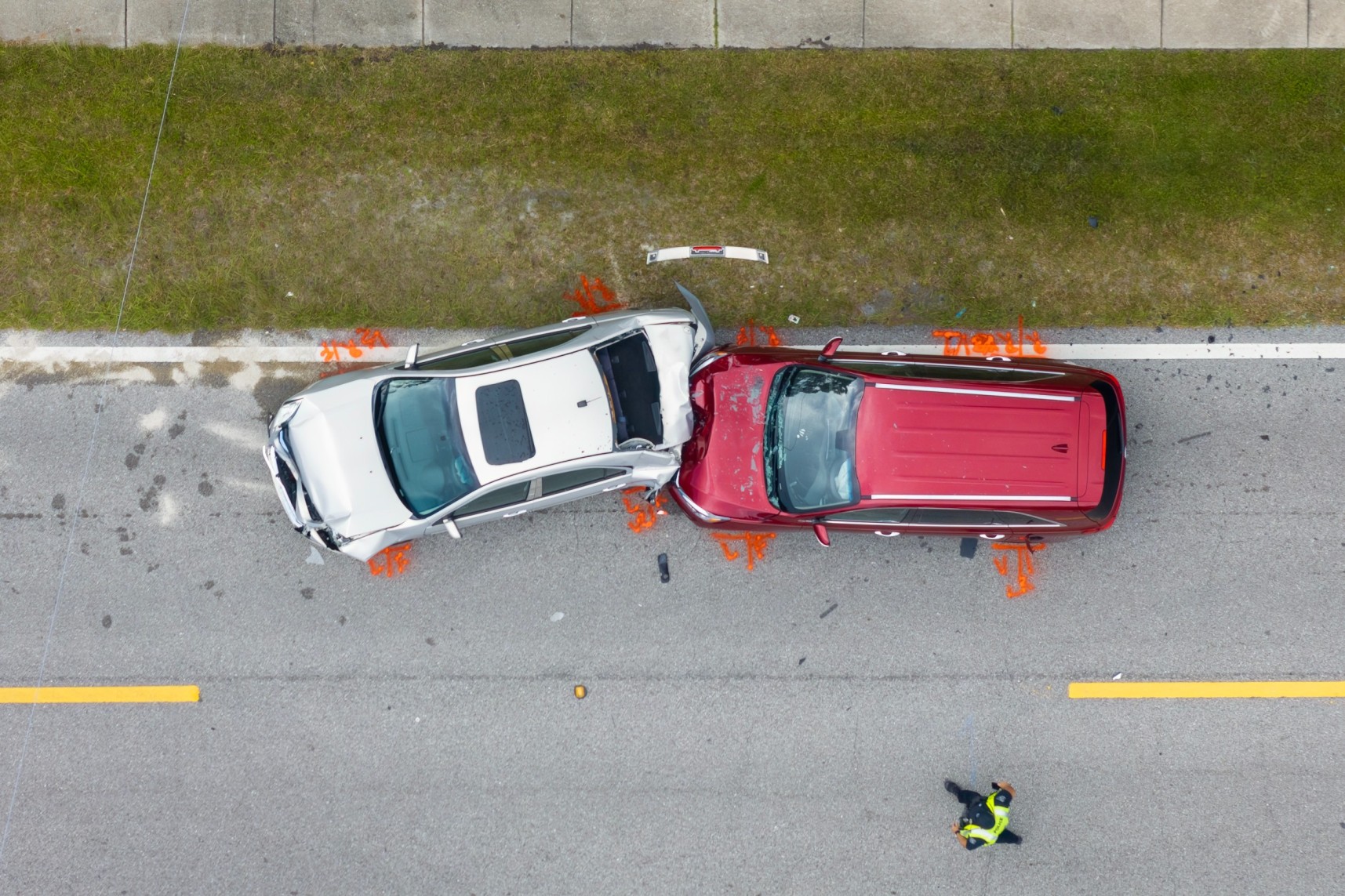
Traffic slows fast on I-435. Brake lights flare like a chain of warning flares. You stop in time. The car behind you doesn’t.
Rear-end and stopped vehicle accidents happen daily across Kansas City. They feel simple on the surface. Someone hits someone else from behind. Case closed, right?
Not always.
Missouri traffic law treats these crashes with more nuance than most drivers expect. Fault often appears clear until details come into play. Let me explain how these accidents work, why tickets follow, and when legal help really matters.
What Counts as a Rear-End or Stopped Vehicle Accident?
A rear-end crash occurs when one vehicle strikes the back of another. A stopped vehicle accident happens when a moving vehicle hits a car that is already stopped.
Stopped can mean:
- Waiting at a red light
- Sitting in traffic
- Paused for pedestrians
- Broken down on the roadway
Kansas City sees many of these crashes during rush hour. Tight spacing and sudden stops create perfect conditions for impact.
Why the Rear Driver Is Often Blamed
Missouri law expects drivers to maintain a safe following distance. The rear driver usually holds that duty.
Police often assume:
- The rear driver followed too closely
- The rear driver failed to react
- The rear driver drove distracted
That assumption leads to tickets for careless driving or following too close. Many cases end there.
Here’s the thing. Assumptions are not always facts.
When Fault Is Not Automatic
Some rear-end cases surprise drivers. Fault can shift or split.
Situations that complicate blame include:
- Sudden lane changes without warning
- Brake checking
- Broken brake lights
- Debris or road hazards
- Unsafe stopping in traffic lanes
Missouri follows comparative fault rules. That means responsibility can be shared. Even a stopped driver may hold partial fault under certain facts.
The Role of Police Reports
Police reports matter, but they are not the final truth. Officers arrive after the crash. They rely on statements, damage patterns, and scene clues.
Reports often include:
- Driver statements
- Witness accounts
- Vehicle damage notes
- Traffic violations issued
Mistakes happen. Officers may misinterpret events or rely on incomplete facts. Those early conclusions influence tickets and insurance decisions.
Traffic Tickets Linked to These Accidents
Rear-end crashes often come with citations. These tickets add legal weight to fault claims.
Common tickets include:
- Careless and imprudent driving
- Following too closely
- Failure to maintain lane
- Speeding under conditions
Paying for a ticket feels easy. It also acts as a guilty plea. That plea can affect insurance and future cases.
Speeding Ticket KC sees many drivers regret paying too fast.
How Insurance Companies View These Crashes
Insurance adjusters lean heavily on fault assumptions. Rear drivers usually get labeled at-fault quickly.
That label can lead to:
- Claim denials
- Rate increases
- Loss of safe driver discounts
Insurers also review tickets and police reports. Once a fault sticks, reversing it becomes harder.
Stopped Vehicle Accidents Are Not Always Clear-Cut
Drivers assume stopping gives full protection. That belief causes trouble.
Stopping illegally or unexpectedly changes the equation. Examples include stopping in travel lanes, stopping without lights, or stopping on curves.
Missouri law expects reasonable behavior from all drivers. Even stopped drivers must act safely under the circumstances.
When Criminal Charges Can Appear
Most rear-end crashes stay civil. Some cross into criminal territory.
Criminal exposure rises when:
- Injuries occur
- DUI is involved
- Speed was excessive
- Prior violations exist
In those cases, legal guidance becomes urgent, not optional.
How a Traffic Defense Lawyer Fits In
Kansas City traffic defense lawyers focus on tickets tied to crashes. Those tickets shape fault and insurance outcomes.
A Missouri traffic ticket lawyer can:
- Review police reports for errors
- Challenge unsupported citations
- Protect your driving record
- Negotiate reduced charges
Speeding Ticket KC handles these cases daily in Kansas City courts. That local focus matters.
Why Local Knowledge Changes Results
Kansas City traffic courts follow patterns. Judges handle high volumes. Prosecutors prioritize certain violations.
Local lawyers understand:
- How specific judges rule
- Which arguments gain traction
- When negotiation works best
That insight saves time and stress. Outsiders often miss local rhythms.
The Cost of Doing Nothing
Ignoring tickets or paying blindly costs more later. Points stack. Insurance reacts. License risk grows. Many drivers wait until they receive renewal notices. By then, options narrow. Early review gives flexibility. That window closes fast.
Emotional Reality After a Crash
Crashes shake people. Even low-speed impacts leave nerves raw. Add blame and paperwork, and stress climbs. Drivers replay moments. “What if I braked sooner?” “What if they stopped suddenly?” Legal clarity helps calm that noise. Knowing where you stand makes recovery easier.
Kansas City Traffic Patterns Matter
Rush hour here runs hard. Construction zones shift weekly. Weather adds chaos. Rear-end crashes spike during rain, snow, and low sun glare. Courts know this. Context matters when cases are argued properly.
FAQs About Rear-End and Stopped Vehicle Accidents in Kansas City
1. Am I always at fault if I rear-end another car?
No. Fault often falls on the rear driver, but facts can change responsibility. Sudden stops or defects matter.
2. Should I pay a ticket tied to a rear-end crash?
Paying admits guilt. That choice affects insurance and records. Legal review helps before deciding.
3. Can a stopped driver be at fault?
Yes, under certain conditions. Illegal or unsafe stopping can share or shift fault.
4. Do police reports decide fault completely?
No. Reports influence cases but can be challenged with evidence and legal arguments.
5. When should I contact a traffic lawyer?
As soon as tickets or fault questions arise. Early help protects options and reduces long-term costs.
Final Thoughts for Kansas City Drivers
Rear-end and stopped-vehicle accidents seem simple until they aren’t. Missouri traffic law weighs facts, not assumptions. Tickets, reports, and timing all shape outcomes.
If you face citations after a crash, pause before paying. Ask questions. Review details. Protect your record.
Speeding Ticket KC helps Kansas City drivers navigate traffic law with clarity when accidents complicate life. Sometimes, the smartest move after a crash is to slow down and get the right guidance before costs pile up.