
Rear-End Collision Tickets in Kansas City: Who Gets Cited?
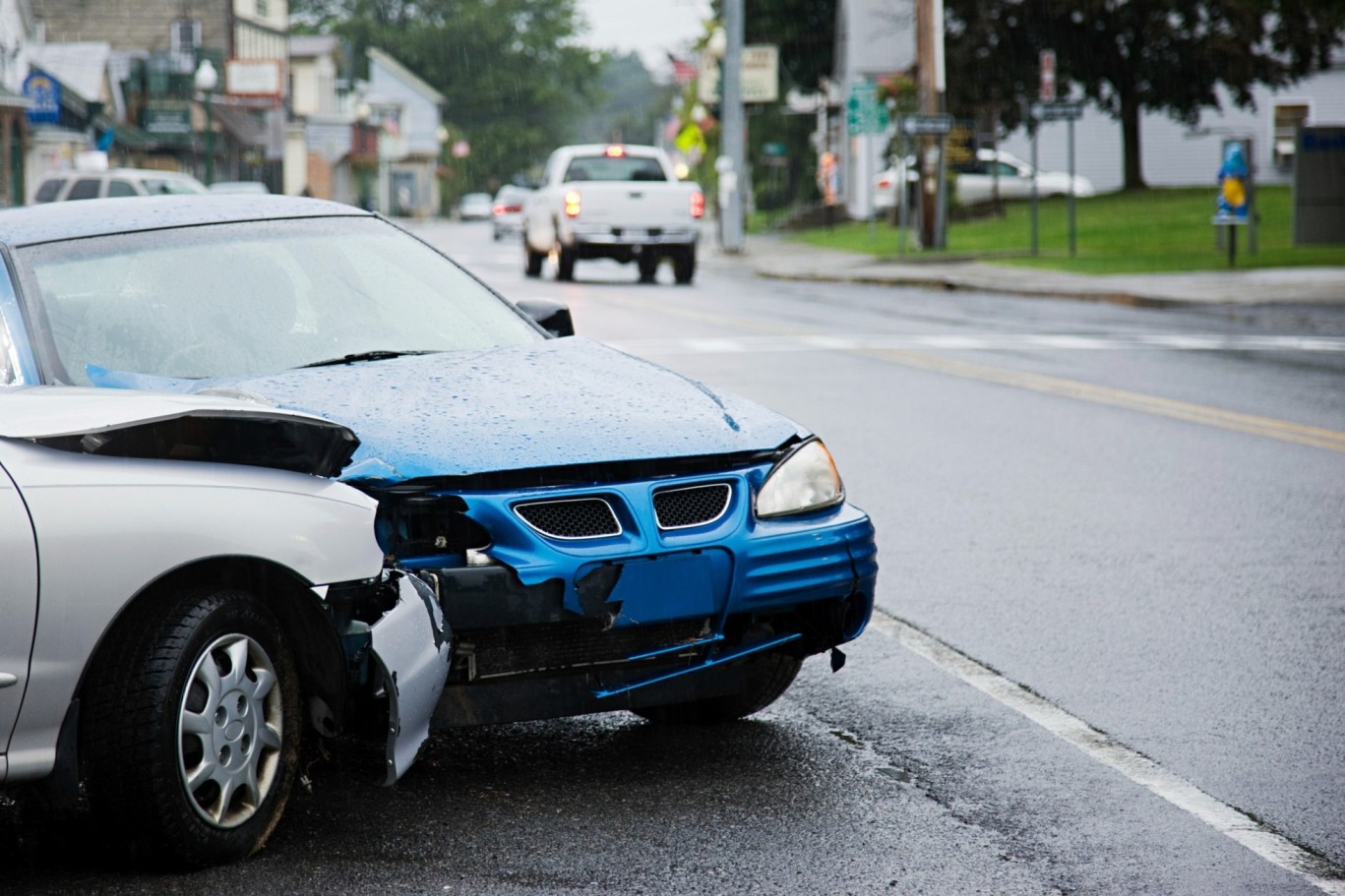
Rear-end crashes happen every day in Kansas City. You see them on I-435, along Ward Parkway, and at quiet stoplights in Brookside. Most drivers think the same thing when it happens.
“If you hit someone from behind, you’re automatically at fault.” That idea sounds right. Sometimes, it is right. Other times, it’s flat-out wrong.
Tickets after rear-end crashes depend on facts, not assumptions. Police look closely at what caused the impact. Small details often decide who gets cited. Let’s slow this down and talk it through.
Why Rear-End Collisions Are So Common Around Kansas City
Traffic here can feel unpredictable. One moment, cars move fine. Next, brake lights fill the lane.
Construction zones pop up fast. The weather changes quickly. People rush. Rear-end crashes usually come from one of three things: following too close, distraction, or sudden movement ahead.
Still, each crash tells a different story. Officers know that. Courts know that too.
The Assumption That Trips Drivers Up
Many drivers admit fault at the scene without thinking. They apologize. They shrug. They assume blame. That moment matters.
Missouri law does not say the rear driver is always at fault. It says drivers must act with reasonable care. That applies to both vehicles. Sometimes the lead driver causes danger.
How Police Decide Who Gets the Ticket
Officers don’t rely only on damage patterns. They ask questions. They listen. They observe.
They consider speed, spacing, and driver behavior seconds before impact. They also look at lighting, road conditions, and vehicle defects.
Police reports often shape what happens next. Once a ticket is written, it feels final. It isn’t.
When the Rear Driver Usually Gets Cited
Yes, the rear driver often receives the ticket. That part isn’t a myth. Tailgating is common. Distraction plays a big role. Phones come up more than people like to admit.
If the rear driver failed to stop in time without a good reason, a citation makes sense. Still, “common” doesn’t mean “automatic.”
Situations Where the Front Driver Gets Cited
This is where drivers get surprised. Front drivers can also cause rear-end crashes. Sudden stops without reason matter. Brake checking matters. Reversing at a light matters.
Broken brake lights matter a lot. Unsafe lane changes create confusion. That confusion causes impact. In these cases, officers may cite the front driver—or both drivers.
Shared Fault Happens More Than People Think
Sometimes, blame lands in the middle. One driver follows too closely. The other stops abruptly.
Police documents shared responsibility when both actions contributed to the crash. Insurance companies later argue percentages. Tickets still affect records.
Why a Rear-End Ticket Isn’t “Just a Ticket”
Many drivers brush it off. That’s a mistake. Rear-end citations add points to your license. Insurance rates often rise fast.
Some employers check driving records. One ticket can cause long-term issues. Fighting a ticket early often prevents bigger problems later.
What You Do After the Crash Matters
Right after a crash, emotions take over. That’s normal. Still, what you say matters. What you don’t say matters more.
Call the police. Get medical help if needed. Take photos when safe. Avoid guessing. Avoid explaining what you think happened. Those words often show up later.
Why Legal Help Changes Outcomes
Traffic cases look simple on paper. In reality, they rarely are. A skilled Missouri traffic ticket lawyer reviews reports line by line. They catch inconsistencies. They question assumptions.
Speeding Ticket KC has helped Kansas City drivers challenge rear-end collision tickets for years.
Many citations get reduced. Some disappear completely. Experience matters when facts are close.
Rear-End Crashes Aren’t As Simple As They Look
From the outside, rear-end collisions seem obvious. From inside a courtroom, they rarely are. Small timing details shift responsibility. Vehicle issues matter. Officer judgment matters.
A ticket is not the final word.
Frequently Asked Questions About Rear-End Collision Tickets
1. Is the rear driver always cited in Kansas City rear-end crashes?
No. Officers base citations on conduct, not position alone.
2. Can a rear-end ticket be dismissed?
Yes. Weak evidence, unclear fault, or report errors often support dismissal.
3. Does a rear-end ticket affect insurance rates?
Usually. Even one citation can raise premiums for several years.
4. What if the front driver stopped for no reason?
Suddenly, unnecessary stops can shift fault toward the front driver.
5. How does Speeding Ticket KC help with these cases?
They defend drivers by challenging assumptions and protecting driving records.
A Final Thought for Kansas City Drivers
Rear-end crashes happen fast. Tickets follow quickly. Fault is not automatic. Blame is not permanent. If you were cited, don’t assume the case is closed. Speeding Ticket KC helps drivers push back when the facts deserve another look.