
School Bus Traffic Violations in Kansas City and Driver Consequences
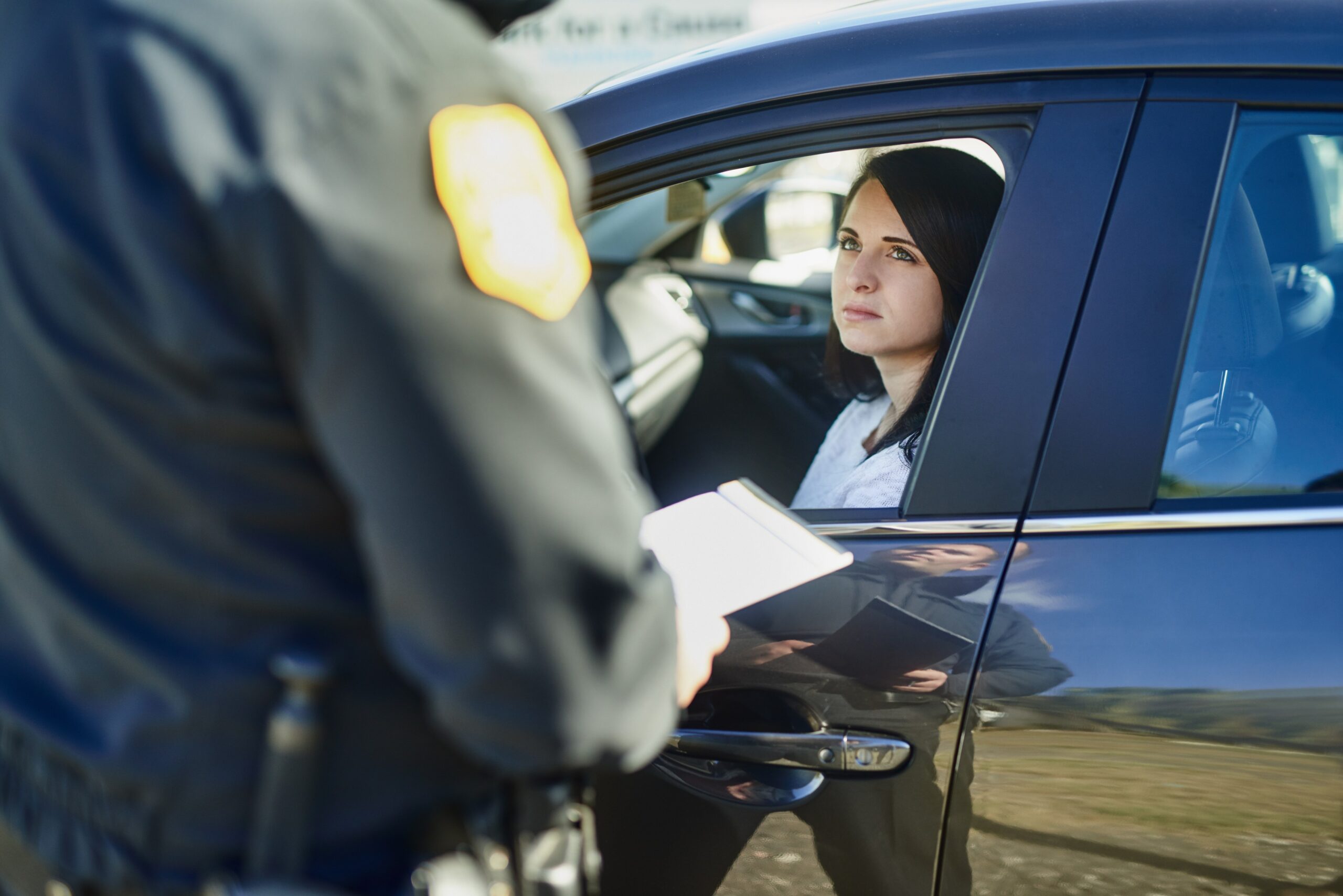
Few driving mistakes feel heavier than one involving a school bus. The flashing red lights. The stop arm stretched wide. The quiet knowledge that children may be nearby. Even experienced drivers feel their stomach drop when they realize they may have crossed a line.
In Kansas City, school bus traffic violations carry serious consequences. These tickets are not treated like routine speeding or rolling stops. Courts view them through a strict safety lens. That perspective shapes everything that follows.
Here’s the uncomfortable truth. Many drivers charged with school bus violations never meant to break the law. Confusing road layouts, blocked sightlines, or rushed mornings play a role. Still, intent rarely softens the outcome.
Let’s walk through how these violations work in Kansas City, why penalties hit hard, and what drivers face after a citation lands in their hands.
Why Missouri Takes School Bus Laws So Seriously
School bus laws exist for one clear reason—protecting children. Missouri lawmakers built these rules with little room for interpretation. When a bus stops, the law expects every driver to respond without delay.
Kansas City enforces these rules aggressively. Officers monitor school routes during peak hours. Buses now carry cameras that capture violations even when police are not present.
Judges treat these cases differently. They assume there is danger whenever a bus stops. That assumption influences fines, points, and sentencing decisions. Sympathy rarely enters the equation.
What Counts as a School Bus Traffic Violation?
The most common violation involves failing to stop for a school bus displaying flashing red lights and an extended stop arm. Missouri law requires drivers in both directions to stop unless a physical median separates traffic.
Other violations also trigger citations. Passing a bus too closely. Moving before the stop arm fully retracts. Stopping beyond the required distance. Each action can lead to a ticket.
Drivers often misjudge timing. They assume the bus is finished loading. That assumption is risky and often wrong.
Common Situations That Lead to Costly Mistakes
Many drivers leave traffic stops asking the same thing. “Why was I ticketed when no children were visible?”
Here’s the thing. Visibility of children does not control the rule. Lights and stop arms do.
Common situations that lead to citations include:
- Passing a bus as the red lights activate
- Moving forward before the stop arm closes
- Driving on wide roads without a true median
- Assuming opposing traffic does not need to stop
- Following another vehicle that moves early
Officers focus on signals, not driver judgment calls.
How Divided Roads Create Confusion
Divided roads cause more school bus violations than most people expect. Drivers often believe multiple lanes mean traffic may continue.
Missouri law says otherwise. Only a physical barrier counts as a median. Grass strips, curbs, or concrete dividers usually qualify. Painted lines do not.
Kansas City has many wide roads without true medians. That design traps drivers who assume they are legally clear to proceed.
Penalties That Follow a Conviction
School bus violations bring heavier penalties than standard moving violations. Missouri law allows steep fines and license points.
A first offense often includes a large fine and several points. Repeat violations may trigger license suspension or revocation.
Insurance companies react quickly. Rates often increase sharply and remain high for years. The financial impact can exceed the cost of the ticket itself.
Judges may also require mandatory court appearances. These cases rarely get dismissed casually.
The Growing Role of Stop-Arm Cameras
Many Kansas City school buses now use stop-arm cameras. These devices record vehicles that pass illegally.
Camera tickets arrive by mail days later. Drivers often feel blindsided when they open the envelope.
Camera evidence strengthens enforcement, but it is not flawless. Poor image quality, incorrect plate reads, and timing issues still occur.
A careful review often reveals problems that drivers would never notice on their own.
When Defenses Exist and When They Don’t
School bus cases feel airtight. Sometimes they are. Other times, defenses apply.
Possible defenses may include unclear signals, blocked visibility, improper signage, or incorrect vehicle identification. Camera timing issues also matter.
That said, courts quickly reject weak arguments. Claims like “I was late for work” or “I didn’t see the kids” carry no weight.
Successful defenses rely on evidence, not emotion.
Why Local Legal Knowledge Matters
Traffic law varies by state, but enforcement varies by city. Kansas City courts follow local practices that outsiders often miss.
A lawyer familiar with Kansas City traffic courts understands how judges interpret school bus cases. They know which arguments stall cases and which move them forward.
Speeding Ticket KC focuses on traffic violations across Kansas City. Their local experience helps drivers avoid the harshest outcomes when options exist.
When school bus tickets are combined with other citations, working with a Missouri traffic ticket lawyer helps keep everything handled under a single, clear defense strategy.
Long-Term Effects on Your Driving Record
Many drivers fixate on fines. The record impact lasts longer. Points remain on your driving history for years. Employers who review records may see them. Commercial drivers face even higher risk.
One school bus violation can influence how future tickets are treated. Courts look at patterns, not isolated events.
Why Acting Quickly Changes Outcomes
Waiting feels harmless. It rarely is. Evidence fades quickly. Video access expires. Deadlines creep closer without warning.
Early legal review keeps options open. Negotiations work best before court calendars fill. Once hearings start, flexibility shrinks.
A Hard Truth Drivers Struggle With
Here’s a contradiction drivers often resist. Good intentions don’t matter much in these cases. You may drive carefully every day. One rushed moment can still result in a serious violation.
Courts focus on actions, not habits. That reality feels harsh, but it is consistent.
Steps Drivers Should Take After a Ticket
First, never ignore the citation. Missed deadlines create worse problems. Second, gather details. Note the location, road layout, and bus position. Photos help later.
Third, seek legal advice early. Even when dismissal seems unlikely, reduced penalties may still be possible.
How These Cases Affect Families
School bus violations don’t only affect drivers. They affect households. Insurance hikes strain budgets. License issues affect commutes and childcare schedules. Stress spreads fast.
That ripple effect explains why many drivers choose to fight these tickets rather than accept them quietly.
FAQs About School Bus Traffic Violations in Kansas City
1. Do I have to stop for a school bus on a multi-lane road?
Yes, unless a physical median separates directions. Painted lines or center turn lanes do not count.
2. Can stop-arm camera tickets be challenged?
Yes, they can be challenged. Image clarity, timing, and vehicle identification often become key issues.
3. How many points does a school bus violation add?
Most convictions add significant points. The exact amount depends on the charge and your driving history.
4. Will my insurance rates increase after conviction?
Insurance companies often raise rates sharply after these violations. Increases may last several years.
5. Should I hire a lawyer for a first offense?
Many drivers benefit from legal help, even for first offenses. Reduced penalties can protect long-term records.
Final Words
School bus traffic violations carry heavy consequences in Kansas City. What feels like a brief lapse can follow drivers for years. Knowing the rules, understanding enforcement, and acting quickly often make the difference between lasting damage and manageable outcomes.