
The Safety Gap: Why Some Highway Lanes Are Deadlier Than Others – Guest Post
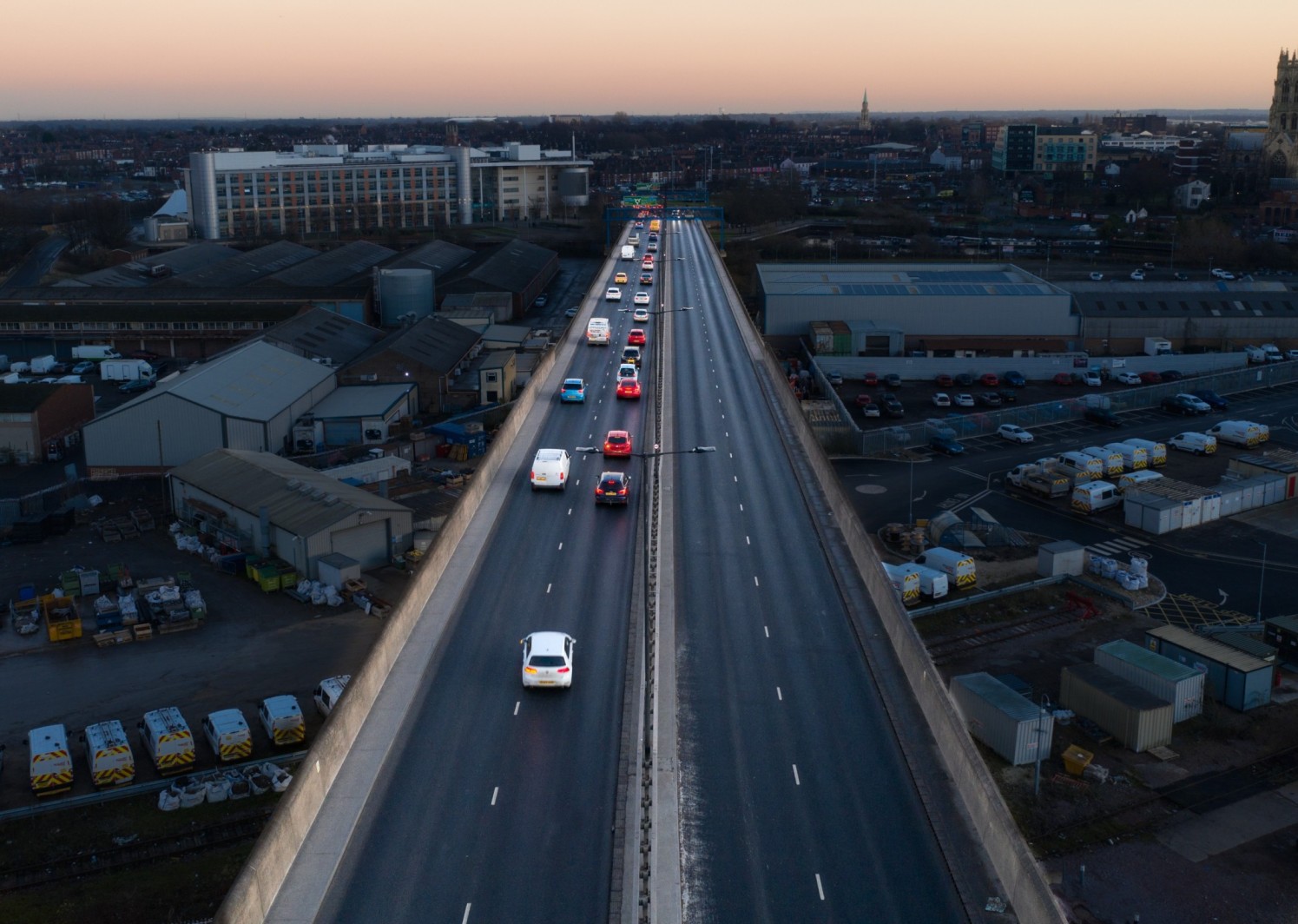
Highway design influences driver behavior, traffic flow, and overall safety more than most people realize. Although all lanes may appear similar at a glance, certain lanes carry greater risks due to factors related to speed, vehicle type, road conditions, and driver decision making. Understanding why some highway lanes see more severe crashes than others helps highlight opportunities for safer infrastructure and more informed driving habits.
Speed Differentials and the Design of Passing Lanes
The far left lane is typically associated with higher travel speeds. Even when drivers follow posted limits, the left lane often attracts vehicles moving faster than the general flow of traffic. Speed differentials create conditions where drivers must make quick decisions about passing, merging, or adjusting following distances. These moments can introduce risk when traffic congestion builds or when drivers misjudge closing speeds.
Traffic engineers also note that crashes in the left lane tend to be more severe because higher speeds increase the force of impact. Stopping distances expand and the margin for error shrinks. Sudden braking, unexpected lane changes, or slower vehicles entering the lane can trigger collisions that escalate quickly. As a result, even small lapses in attention can have serious consequences.
Heavy Vehicle Traffic and Lane Use Patterns
The right lane often carries more large commercial vehicles due to regulations and typical trucking behavior. Heavy vehicles require wider turning radiuses, longer stopping distances, and greater space for safe maneuvering. When passenger vehicles share the lane with trucks, the difference in size and visibility can create hazardous conditions.
Some of the most dangerous incidents, including highway trucking accidents, occur when smaller vehicles linger in truck blind spots or attempt to merge without accounting for a truck’s limited ability to brake quickly. On multi lane highways, the presence of more heavy vehicles in the right lane may lead some drivers to vacate that lane prematurely or weave across lanes, increasing exposure to conflict points. Understanding these dynamics can help drivers choose lanes more strategically.
The Middle Lanes and the Illusion of Safety
Many drivers believe middle lanes offer a safer compromise between the high speeds of the left lane and the heavy truck traffic of the right. While middle lanes can provide steady flow, they introduce their own risks due to the volume of lane changing. Drivers who need to exit the highway must cross middle lanes to reach the exit ramp, while others merge in and out as they adjust speed or navigate around slower traffic.
The constant lateral movement makes middle lanes active zones for side swipe collisions. These crashes often occur when drivers fail to check blind spots thoroughly or rely too heavily on mirrors. Additionally, the pressure to maintain speed in middle lanes can prompt tailgating, which raises the likelihood of rear end crashes during sudden slowdowns.
Road Conditions and Lane Wear Patterns
Highway lanes do not wear evenly. The right lane typically experiences more degradation because of heavier vehicle loads. Over time, this can lead to deeper ruts, uneven pavement, and drainage problems. Standing water in worn lanes makes hydroplaning more likely during storms, and deteriorating surfaces can disrupt tire traction.
Left lanes, although less affected by heavy loads, may accumulate debris from passing vehicles or roadside environments. Even small obstacles can cause drivers to swerve abruptly, which may result in collisions. Maintaining consistent road quality across all lanes is essential, but this requires substantial resources. Variability in pavement conditions ultimately contributes to differing safety levels across lanes.
Driver Behavior and Perception
Lane choice is influenced by more than traffic rules. Drivers often select lanes based on habit, impatience, or misconceptions. Some remain in the left lane even when not passing. Others hover in the right lane even at high speeds. In each case, mismatches between driver behavior and intended lane functions create conflict.
Fatigue also plays a role. Long distance drivers may choose the middle lane to avoid constant entering and exiting traffic on the right, but this can lead to complacency. Reduced alertness heightens risk when traffic changes suddenly or when weather conditions deteriorate. Recognizing how perception shapes behavior can help drivers make more thoughtful lane choices that support safer travel.
Conclusion
Highway lanes may look uniform, but they each carry different levels of risk shaped by speed, vehicle composition, traffic flow, road wear, and driver decisions. Understanding these differences helps clarify why certain lanes consistently experience more severe incidents than others. Awareness empowers drivers to make safer choices, and it helps provide guidance for improving transportation design that better protects everyone on the road.