
The Technology Behind Kansas City’s Radar Speed Measurement Devices
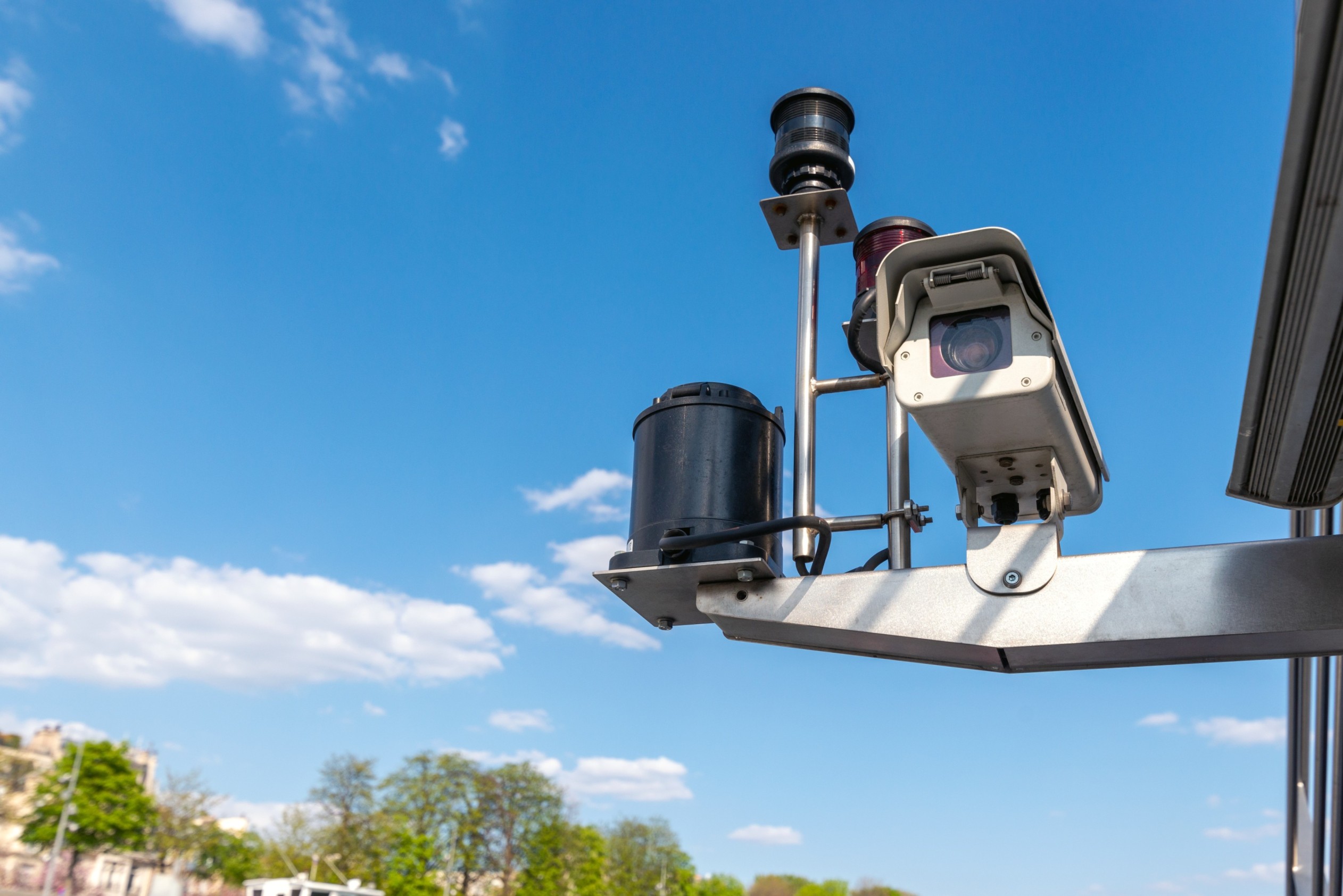
Speeding tickets aren’t just about numbers on a screen. They’re about precision, timing, and trust. And in Kansas City, that trust often rests on radar technology — the silent partner in almost every speeding stop. But how exactly do these devices work? And how reliable are they when your license or insurance is on the line? Let’s break it down.
The Science Behind the Flash
Radar speed devices sound complex, but the core idea is simple. They send radio waves toward moving vehicles. When those waves hit a car, they bounce back. The radar gun measures the change in the frequency of those returning waves — a concept called the Doppler Effect.
If you’ve ever heard a siren change pitch as it passes by, that’s the same principle. The shift in sound (or in this case, radio waves) reveals speed. The radar then translates that data into miles per hour almost instantly.
Kansas City officers rely on this quick data to issue citations. But as any seasoned Kansas City traffic lawyer will tell you, the accuracy of that reading depends on more than just a gadget.
Tools of the Trade — Different Radar Types
Kansas City law enforcement uses several types of radar devices. Each one serves a different purpose depending on where and how it’s used.
- Stationary Radar:
Used when officers are parked on the roadside. The radar locks onto passing cars, often from long distances. - Moving Radar:
Mounted inside patrol cars. These devices calculate speed by comparing the officer’s vehicle movement with the target vehicle. - Handheld Radar Guns:
Lightweight and used in high-risk areas like school zones or construction sites. These are often what people think of when they imagine a speeding ticket.
Each tool has pros and cons. Stationary radar can be more stable, while moving radar allows flexibility. Handheld units, though easy to use, are more prone to operator error.
How Accurate Is Radar, Really?
You’d think radar is foolproof. But it’s not. Accuracy depends on calibration, training, and conditions. Even a small mistake can change the number on that screen.
- Calibration: Every radar gun needs regular checks. Officers test them using tuning forks that vibrate at set frequencies. If readings match, the device is considered accurate.
- Line of Sight: The radar beam must stay fixed on one target. Heavy traffic, curves, or trees can interfere.
- Weather: Rain or snow scatters radio waves, creating inconsistent readings.
- Interference: Power lines, neon signs, or even another radar nearby can distort the signal.
If any of these factors come into play, that “official” speed may not be as solid as it seems. And that’s where Speeding Ticket KC steps in. Their attorneys know how to dissect every inch of radar evidence — from equipment logs to officer testimony.
When Tech Meets Human Error
Technology is only as reliable as the person using it. Even the best radar gun can give false readings if the officer doesn’t aim or interpret it correctly. A momentary lapse in focus can shift the reading by several miles per hour.
Imagine two cars driving close together — which one does the radar hit? Sometimes, it’s hard to tell. Or picture an officer clocking a vehicle from an angle instead of head-on. That angle can cause something called cosine error, leading to slightly lower readings.
Small details like these can make or break a speeding case.
Why Kansas City Drivers Should Care
Radar speed readings are often treated as hard evidence. But if a device wasn’t calibrated or used properly, it’s fair to question it. The law allows you to challenge the technology behind the charge — and you should.
A Kansas City traffic lawyer can dig into:
- Calibration records and certification dates
- Officer training and equipment use
- The exact conditions during your stop
- Potential interference sources nearby. Every case has weak points. You just need someone who knows where to look.
A Quick Look at How Radar Differs from LIDAR
You may have heard of LIDAR, another common speed detection tool. It uses laser light instead of radio waves. While radar covers a wide beam (and can track multiple cars), LIDAR is narrow and precise — it can target one vehicle at a time.
In Kansas City, officers often prefer radar for highways and open areas. LIDAR, on the other hand, is popular in urban zones where space is tight and accuracy matters more.
Still, both systems rely on training and calibration. Neither is beyond question.
Speeding Ticket KC: A Closer Look
Speeding Ticket KC isn’t just another law firm. They’re a known name in Kansas City for a reason. Their attorneys handle speeding tickets daily, many of them based on radar readings.
They know the patterns — the calibration gaps, the human errors, the blind spots in Kansas City’s enforcement. Whether your ticket came from an overpass radar gun or a patrol car chase, their lawyers can tell you exactly what went wrong.
They’ve helped countless drivers avoid license points, fines, and insurance hikes by proving the radar evidence was flawed or untrustworthy.
How to React When You’re Pulled Over
You’re driving home, music on, not thinking much about the speed limit. Then the flashing lights appear. What now? Stay calm and polite. Don’t argue on the spot.
- Don’t admit guilt or guess your speed.
- Ask which device was used — radar or LIDAR.
- Write down details: location, weather, traffic flow.
Contact Speeding Ticket KC or another trusted Kansas City traffic lawyer right away. That information could be the difference between paying a fine and walking away with a clean record.
The Bigger Picture — Technology Isn’t Perfect
You might assume that radar guns are scientific truth. They’re not. They’re tools — and tools can fail. Kansas City’s radar systems are advanced, yes, but they’re still vulnerable to error, environment, and human judgment.
The question isn’t whether radar works. It’s whether it worked right that day. And that’s something worth challenging.
Frequently Asked Questions
1. How do Kansas City police measure vehicle speed with radar?
They send radio waves at moving cars. The device measures how those waves bounce back to estimate speed.
2. Can radar readings be wrong?
Yes. Interference, weather, or poor calibration can cause false or inconsistent readings.
3. Are radar guns always checked for accuracy?
They should be. But not all departments keep up with regular calibration or training. That’s something a Kansas City traffic lawyer can check.
4. Is radar more accurate than LIDAR?
Not always. LIDAR is more targeted, while radar can pick up multiple vehicles at once, leading to confusion.
5. What can Speeding Ticket KC do if I’m accused of speeding by radar?
They’ll examine every detail — from the device’s logs to the officer’s notes — and fight for the best outcome.
Final Thoughts
The use of radar speed measurement has changed law enforcement practices in Kansas City. But it isn’t perfect, nor is it beyond the reach of an attorney. A machine may measure the speed of your vehicle, but it does not take into account any of the factors that may account for it — the situation, the circumstances, or any human frailties which may contribute to the machine reading.
This is where experience counts. Speeding Ticket KC is ready to check out each reading, each record, and all statements and reports of any radar machine, so that you won’t be penalized for a faulty machine.
Because when you get the ticket, it isn’t just a question of speed. It is a question of justice.