
Time-Distance and Pacing: Non-Radar Speed Proof in Kansas City
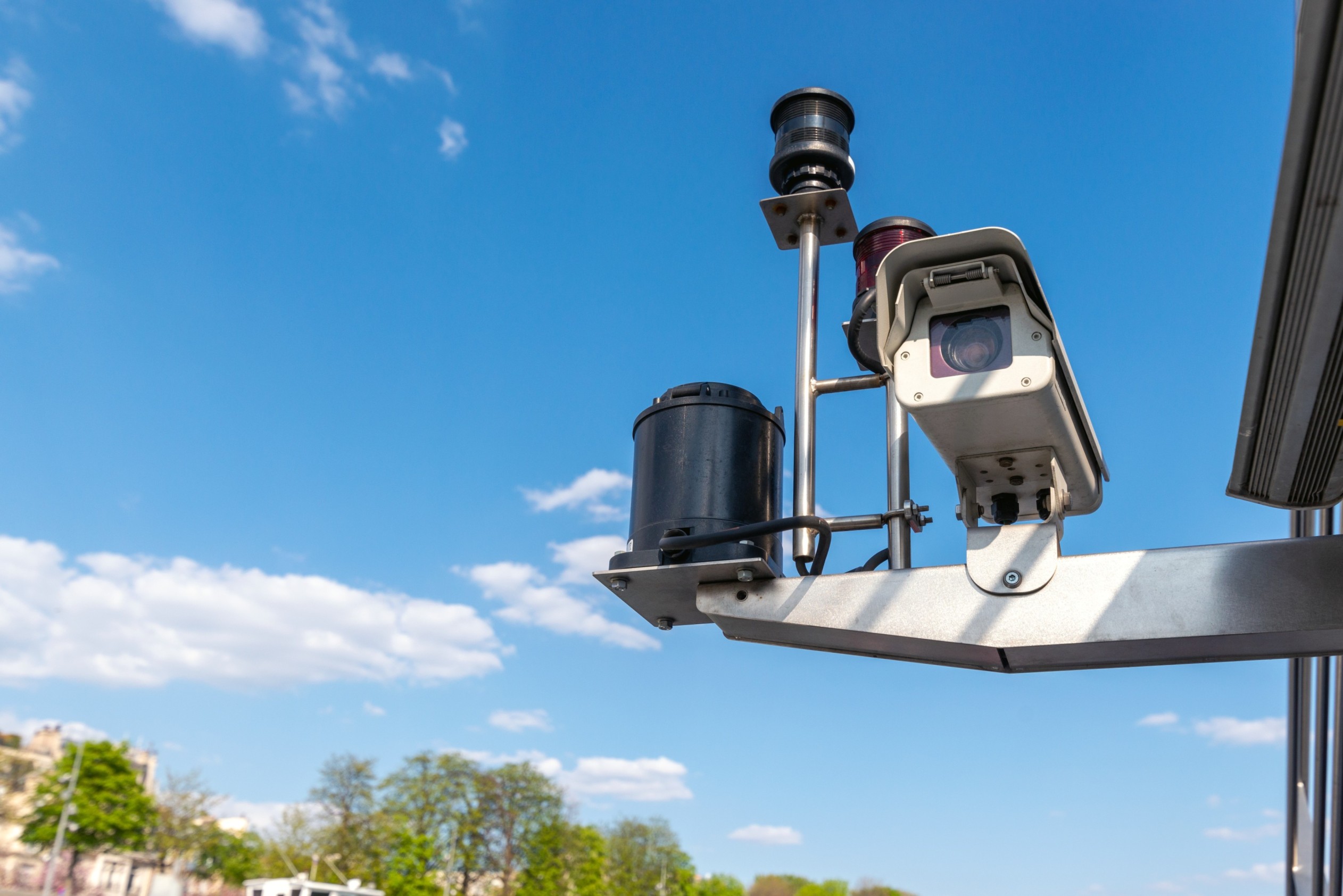
Speed cases don’t always rely on radar guns. Many drivers feel shocked when they hear that. They expect a device reading, a number on a small screen, or something high-tech. But Kansas City officers often use two older methods that can hold up in court: time-distance and pacing. These techniques may seem simple, yet they carry serious weight in many traffic cases. And if you’ve ever dealt with a speeding ticket here, you know simple things can turn messy fast.
Let me explain how these methods work, why many drivers question them, and where a Kansas City Traffic lawyer or a team like Speeding Ticket KC fits in when things don’t add up.
What Time-Distance Really Means Out on the Road
Time-distance sounds like a formula from school, but the idea is plain. An officer watches your car move from point A to point B. They measure how long it takes. They know the distance. A short time plus a fixed distance equals a high speed.
The tricky part is the “watching” part. It’s not always as exact as people think. Officers may use a stopwatch, a dash timer, or sometimes just a quick tap of a button. And that’s where things get tricky. Human timing can be off by even a small fraction of a second. That tiny slip can change the final speed by several miles per hour. It’s funny how a blink can matter more than the vast stretch of road in front of you.
Some officers train hard to keep their timing sharp. Others don’t get that steady practice. That skill gap often becomes the heart of a defense. People think machines make mistakes. But people with watches? They can miss more than they admit.
I’ve heard folks say, “How can they time me when I barely saw them?” Well, that’s the point. You may not spot the officer, but they may still watch you cross two set points. Some points are road markings. Others are trees, poles, shadows—yes, even shadows. It’s strange how something so simple can lead to a hefty fine.
Why Time-Distance Still Gets Used
You might ask, “Why use this old method at all?” Fair question. Radar guns can fail, lose sync, or need fresh checks. And some areas just don’t allow radar use without strict steps. Time-distance gives officers something they can do anywhere—on open roads, in side streets, even in spots where radar can’t pick up a clear lock.
But that freedom also leaves space for mistakes. And Kansas City sees plenty of those cases. A skilled Kansas City Traffic lawyer can often find cracks in how the timing was done, how far the points were, or even whether the officer had a fair angle.
Pacing: The Follow-Along Method
Pacing looks simple at first. An officer follows your car. They match your speed. They look at their dashboard speed, and that’s your speed.
Seems clear. But is it?
Think about traffic. Cars speed up and slow down without warning. A driver checks their mirror, taps the brakes, or pulls to the side. An officer staying behind you may need to adjust, even slightly. Any slight shift can change the reading. And not every police car has a fresh speedometer. Some are off. Some need checks more often than they get.
Now picture a dark road late at night. It could be near winter. The air feels sharp. The officer holds the same speed as you—or tries to. But shadows and dips in the road can change the pace without notice. Pacing may feel steady, but it’s not always exact. Humans don’t move like cruise control.
Common Issues With Pacing in Kansas City
Kansas City roads aren’t plain straight lines. You have hills, curves, tight lanes, and spots where traffic bunches up. Pacing works best on flat, open stretches. But officers often use it in spots where keeping a perfect match is tough.
Some cars have worn tires, faint vibration, or a slight pull. A police cruiser may feel steady to them, but a slight drift can push the reading higher than it should be. I’ve seen people lose sleep over a number that may not match how they actually drove.
That’s usually when they call Speeding Ticket KC. And honestly, it makes sense. You want someone who knows these roads as well as the officers who patrol them.
Why These Old Methods Still Matter Today
Even with new tech everywhere, time-distance and pacing won’t disappear. Officers rely on them when radar doesn’t fit the spot, the traffic, or the angle. And many judges still accept them.
So drivers need to know how these methods work, what makes them strong, and what makes them weak. You don’t need to be a math expert. You just need to know what can tilt the reading against you.
One small timing mistake can change the speed by several miles per hour. One uneven road can change pace. One late car merging can interrupt the officer’s view. These things don’t look big, but they matter.
And that’s why defense work in these cases isn’t just paperwork. It’s storytelling—supported by facts, angles, times, and the real road where it all happened.
Where a Traffic Lawyer Steps In
A solid defense looks at:
- The officer’s training
- The distance used
- The timing tool
- The car’s speedometer checks
- The angle or road shape
- Any traffic that changed the pace
That list may feel long, but each point can shift a case. A good Kansas City Traffic lawyer can break down each step, check for gaps, and hold the officer to the rules they must follow. And trust me, those rules aren’t soft.
When drivers work with Speeding Ticket KC, they often say the same thing: “I didn’t know there were so many details.” Truth is, most people don’t until they face them.
FAQs About Time-Distance and Pacing in Kansas City
1. Can an officer give a ticket without using radar?
Yes. Time-distance and pacing are allowed methods. Many officers use them when radar isn’t the best tool for the spot.
2. Is pacing accurate?
It can be, but it depends on road shape, traffic, and the officer’s steady speed. Even small shifts can change the reading.
3. Can time-distance be challenged?
Yes. Timing, distance points, and clear sight lines all matter. Any flaw can weaken the claim.
4. Does the officer need training to use these methods?
They need proper training. If the training is unclear or outdated, that can become part of the defense.
5. Should I fight a ticket based on these methods?
Many drivers do. These methods leave room for human error. A lawyer can review the details and determine whether the case holds.