
Tulsa Roads, Tulsa Risks: Building a Strong Claim After a Crash -Guest Post
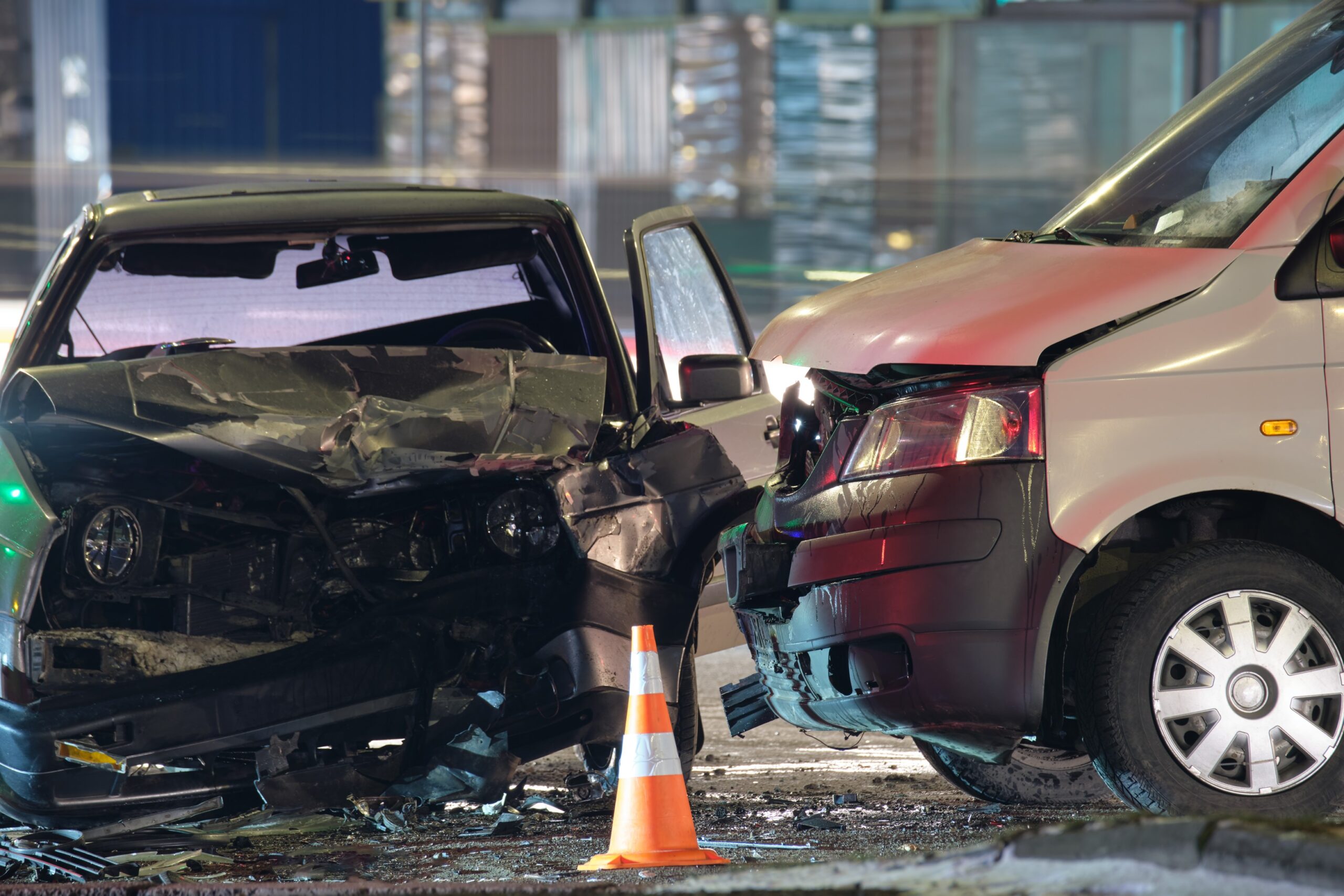
Tulsa has its own driving personality, and it shows in wreck patterns
Anyone who drives Tulsa regularly knows the vibe. Highways where speeds swing wildly. Intersections where someone always tries to beat the light. Construction corridors that turn familiar routes into obstacle courses. Then add distracted driving and the occasional “this lane is now a suggestion” behavior. It stacks up fast.
So when a collision happens here, it is rarely some perfectly simple event. Usually it is a chain. Someone was following too closely. Someone was rushing. Someone was looking down for two seconds too long. And now the person who got hit has to prove the chain.
The early hours matter more than most people realize
If injuries exist, call 911 and get the report started. Tulsa cases often live or die on documentation, especially when fault is disputed.
Photos are the quiet hero. Take pictures of vehicle positions, damage, skid marks, signals, and surroundings. Also photograph visible injuries if appropriate. Bruising blooms later, but early photos set the stage.
Then get evaluated medically. Even “minor” crashes can cause concussions, neck strain, back injuries, or aggravation of older issues. If there is stiffness that grows overnight, that matters.
Fault is rarely as clean as it should be
Oklahoma uses a comparative fault approach in practice, which means insurers love to argue percentages. “Sure, the other driver hit you, but you were also…” And then they fill in the blank with whatever they can find: speed, lane position, reaction time, prior injuries, anything.
That is why evidence, witness statements, and medical consistency are so important. It is not about being dramatic. It is about preventing the story from being rewritten.
A Tulsa-focused resource that maps the process
A good Tulsa car accident attorney can explain how Tulsa claims typically play out, including what to do after a crash, what evidence matters, and what insurers tend to push on.
The ticket problem: when speed becomes a weapon in the claim
Speed is a big deal in Tulsa crashes. And if a ticket is issued, insurers often treat it like a golden ticket to reduce payout. Even when the ticket is only part of the story. Even when the other driver did something worse.
A ticket does not automatically destroy a claim, but it absolutely shapes how the case is framed. That is why the post-crash strategy should include thinking through how allegations of speeding or “unsafe speed for conditions” might be argued, and what evidence can counterbalance it.
For a clear discussion of how a citation after a crash can influence a claim narrative, this guide on how speeding allegations can affect an accident claim is useful as a mindset tool. It is Texas-focused, sure, but the underlying insurer tactics feel familiar anywhere.
Damages: what the claim is actually trying to cover
A crash claim is not just “money for pain.” It is compensation for the full ripple effect:
- Medical expenses, including future care if treatment is ongoing
- Lost wages and reduced earning capacity
- Pain and suffering
- Mental distress and driving anxiety
- Loss of normal activities, hobbies, and daily function
- Property damage and out-of-pocket costs
The tricky part is that insurers tend to undervalue the non-economic side unless it is documented and explained in a way that connects to real life. Not abstract suffering. Actual limitations.
The “fine today, wrecked tomorrow” injury pattern
Some injuries show up late. Whiplash often worsens after a day or two. Back pain can creep in. Concussion symptoms can be subtle at first, then suddenly obvious when concentration is impossible.
That is why a calm, consistent medical timeline matters. Not to “play it up,” but to catch the truth before it gets buried.
Tulsa-specific closing thought
If a crash happens here, the best approach is a blend of patience and urgency. Patient enough to avoid rushed statements. Urgent enough to preserve proof and get medical evaluation.
That balance is what keeps a claim from becoming a mess.