
Underage ATV Operation in Kansas City: Rules Parents Should Know
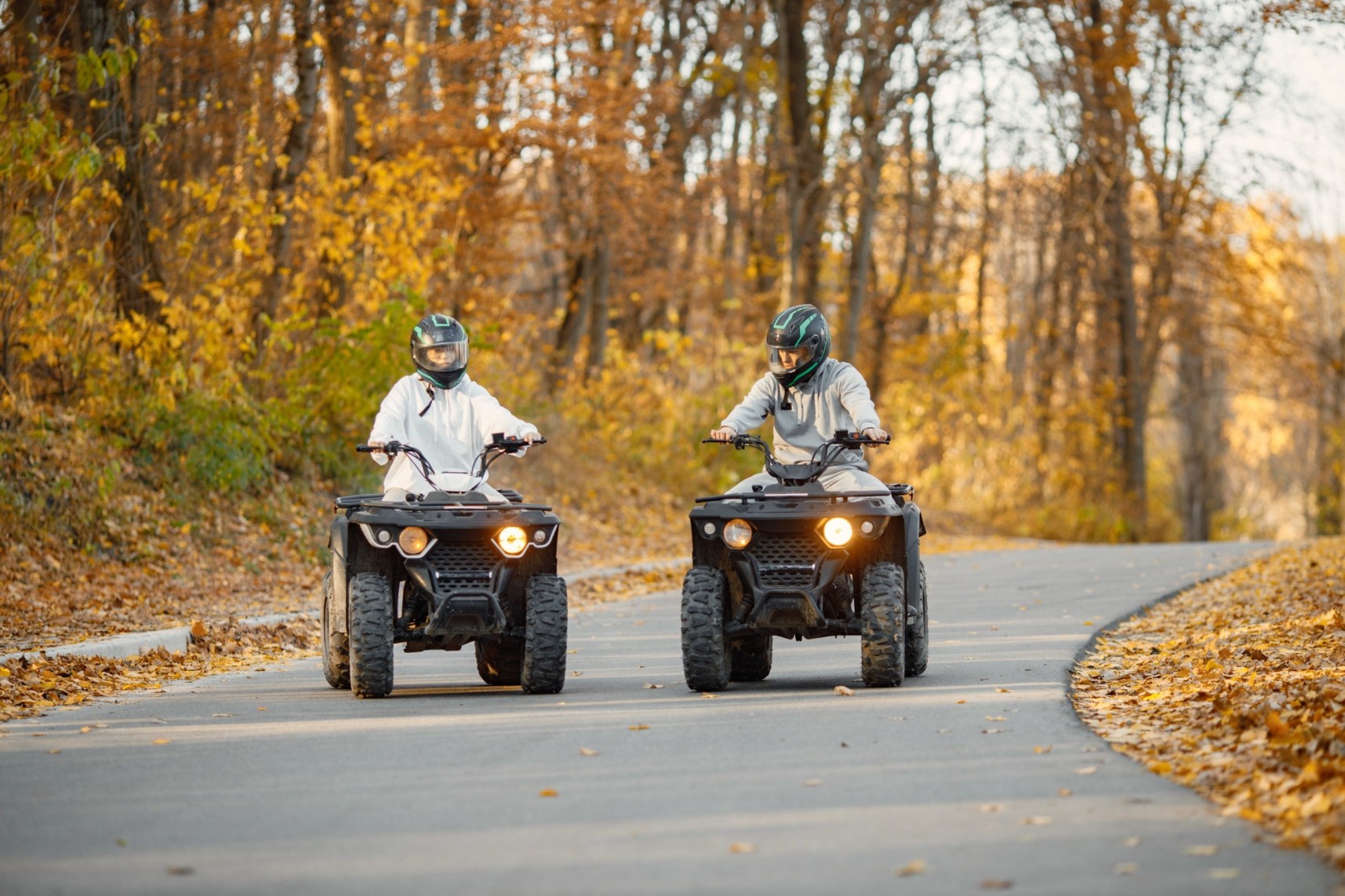
ATVs are a normal part of life across Missouri. Kids see them as freedom on four wheels. Parents see them as a mix of fun, worry, and crossed fingers. Somewhere in between sits the law—and it does not bend easily.
In Kansas City, underage ATV riding draws real attention from police. Many families only learn the rules after blue lights flash. By then, the damage feels done. Tickets, court dates, and stress follow fast.
This article clears the fog. No legal maze. No scary talk. Just plain rules, real risks, and what parents should know before trouble starts.
Why ATVs and Kids Raise Legal Red Flags
ATVs are powerful machines. They look simple, but they handle like small vehicles. Missouri lawmakers treat them that way for a reason.
When young riders crash, injuries tend to be serious. Emergency rooms see broken bones, head trauma, and worse. Kansas City officers know this pattern well. That knowledge shapes enforcement.
Parents often believe supervision alone keeps things legal. It doesn’t. The law focuses on age, location, and permission—not intent or good judgment.
Missouri Law and Underage ATV Operation
Missouri allows minors to operate ATVs, but only under tight conditions. Age matters, but it’s only one piece of the puzzle.
Children under sixteen usually may ride only on private land owned by a parent or guardian. Public property brings limits. Streets, alleys, sidewalks, and city parks fall under traffic enforcement rules.
Helmets are mandatory for minors. Missing safety gear often adds charges. Officers check this quickly during stops.
The law aims to reduce harm, even when families feel confident in their child’s skill.
Where Riding Is Legal—and Where It Isn’t
This is where most families slip up.
Private land owned by the family is generally allowed. Approved ATV trails also work. Everything else needs caution.
Kansas City treats public roads as off-limits for ATVs, especially when minors ride them. Even slow neighborhood streets count. Even empty roads count.
Parents often assume crossing a road is okay. Short distance doesn’t matter. Officers can stop and ticket riders for brief crossings.
Standing nearby does not change the rule. Supervision does not turn a street into private land.
Parent Responsibility Is Real, Not Just Talk
Here’s the part many families don’t expect. Tickets usually go to parents, not kids. Courts see adults as decision makers.
If a child rides illegally, the adult who allowed it faces consequences. That can mean fines, court appearances, and a record that sticks.
If an accident causes damage or injury, liability expands fast. Insurance companies may deny coverage if riding broke the law.
Even loaning an ATV to another child creates risk. Ownership, permission, and supervision all matter later.
How Most Underage ATV Tickets Begin
Most cases start quietly.
An officer spots a minor riding on a public street. That alone justifies a stop. Sometimes neighbors call after hearing noise or seeing unsafe riding.
Other cases follow accidents. Once injuries occur, enforcement sharpens. Citations multiply. What felt small becomes serious fast.
Warnings happen, but parents shouldn’t rely on them. Kansas City officers enforce these rules consistently.
Penalties That Affect Families Long After Court
Penalties vary by case, but none feel minor when they land.
Fines stack with court costs. Some families must attend safety programs. Repeat issues draw heavier scrutiny.
Insurance problems often show up months later. Rates rise. Claims get denied. Families feel blindsided.
Judges watch patterns. A second violation rarely gets sympathy.
Why Legal Help Can Change the Outcome
ATV cases often fall under traffic law in Missouri. That surprises parents. It also opens legal options.
Speeding Ticket KC handles these cases regularly. They understand how Kansas City courts treat underage ATV violations. They know what officers write—and what they miss.
A skilled Missouri traffic ticket lawyer reviews location rules, age limits, and officer notes. Small details matter here. Some cases get reduced. Others get dismissed.
Paying a ticket closes the case but admits fault. Legal review keeps options open.
Talking With Kids Before Problems Start
Clear rules beat panic later. Explain where riding is allowed and where it’s not. Repeat it. Kids remember boundaries better when they’re firm.
Make helmets non-negotiable. Not just for safety, but for legal protection.
Consistency matters. Sudden bans after tickets confuse kids and frustrate parents.
FAQs Parents Ask Most Often
1. Can a child under sixteen ride an ATV on public streets in Kansas City?
Usually no. Missouri law restricts underage ATV operation on public roads. Kansas City enforces this strictly, even for short trips or crossings.
2. Are parents legally responsible for underage ATV violations?
Yes. Courts usually hold parents or guardians responsible. Tickets often go to adults, not minors.
3. Does wearing a helmet make underage ATV riding legal?
No. Helmets are required but do not override location rules. Riding on public streets remains illegal for minors.
4. What happens if my child causes damage while riding illegally?
Liability may fall on the family. Insurance coverage may be denied. Legal claims can follow quickly.
5. Should I hire a lawyer or just pay the ticket?
Paying admits fault and affects records. A lawyer can review defenses and reduce penalties. Speeding Ticket KC helps families protect their future.
A Practical Way Forward for Parents
ATVs bring freedom, fun, and family time. They also bring responsibility that doesn’t fade once the ride ends.
Kansas City enforces underage ATV rules more than many expect. Learning them early avoids stress later. If a ticket happens, stay calm. Get advice before paying anything. Speeding Ticket KC knows these cases and the local courts.
Safe riding keeps kids smiling—and parents sleeping better at night.