
Understanding Car and Bicycle Accident Claims in Brisbane Under Queensland Law – Guest Post
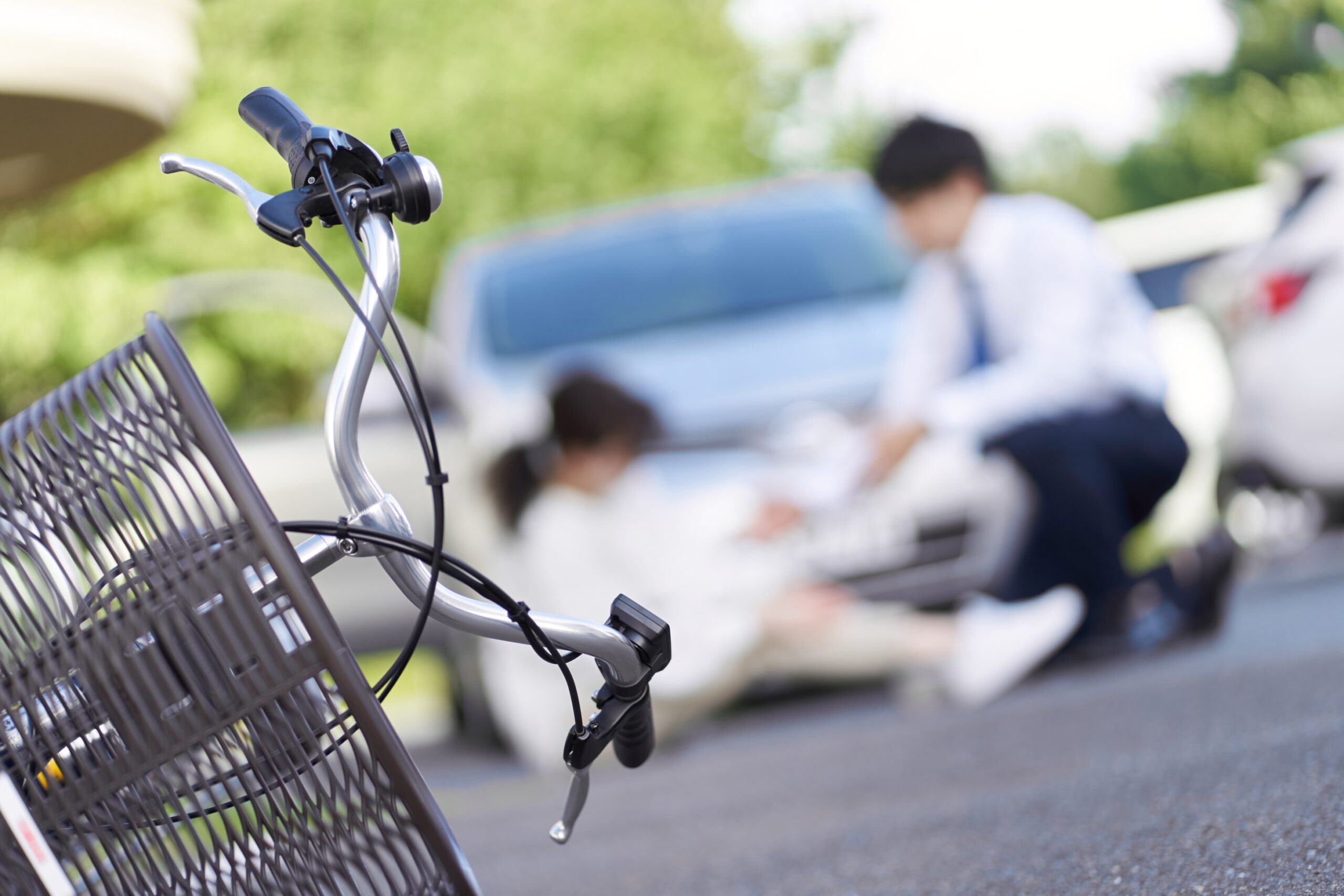
Brisbane’s sprawling network of roads, bridges, and bikeways is the lifeblood of the city, facilitating the daily movement of thousands of commuters. From cars navigating the morning rush along the Brisbane River to cyclists using dedicated lanes on Adelaide Street, this dynamic environment creates a complex interplay of traffic. Unfortunately, with this activity comes the unavoidable risk of road accidents. The latest figures reveal a concerning trend, with 312 fatalities in Queensland in the year leading up to November 2025, a 3.7% increase from the previous period, as noted in the Queensland Road Crash Weekly Report.
When a collision occurs, the aftermath can be confusing and overwhelming. Whether you are involved in a multi-vehicle pile-up or a cyclist struck by a car, understanding your legal rights is the first step toward recovery. This comprehensive guide is designed to demystify the process for both Car Accident Claims and cycling accident claims in Brisbane, explaining the critical role of Queensland’s mandatory CTP scheme and outlining the steps like when to contact bicycle accident lawyers and many more that you need to take to protect your future.
Overview of Car and Bicycle Accident Claims in Brisbane
In Brisbane, the legal approach to road trauma operates under a unified framework. Whether it involves a rear end collision between two cars or a collision between a motor vehicle and a bicycle, the incident is typically classified as a motor vehicle accident. This means that if you are injured due to the fault of a driver of a registered vehicle, your claim for compensation will almost always be handled through Queensland’s statutory insurance scheme.
However, the practical realities of these claims differ dramatically. Car accidents, while serious, often occur within the protective shell of a modern vehicle. In contrast, cyclists are completely exposed, making them exceptionally vulnerable to severe injuries even in low-speed impacts. Accidents on Brisbane’s growing network of shared paths and designated bike lanes present unique challenges, raising complex questions about right of way and duty of care between different types of road users. This guide addresses the nuances of both scenarios, providing clarity on how Queensland law applies to your specific situation.
Legal Framework Governing Road and Cycling Accidents in Queensland
Navigating an injury claim in Queensland requires an understanding of three core pieces of legislation that work together to govern the process.
The cornerstone is the Motor Accident Insurance Act 1994. This Act establishes and regulates Queensland’s Compulsory Third Party (CTP) insurance system. It mandates that all registered motor vehicles must have CTP insurance, creating a fund to compensate people injured in accidents. This Act dictates the strict procedures for lodging a claim, including non-negotiable time limits and notification protocols.
Working alongside it is Queensland’s Personal Injuries Proceedings Act 2002 (PIPA). PIPA sets out the precourt procedures for personal injury claims, promoting the exchange of information and encouraging early settlement to avoid costly litigation. While the Motor Accident Insurance Act governs claims involving CTP, PIPA often applies to injury claims that fall outside this scope. For example, if a cyclist’s accident is caused by a poorly maintained storm drain grate or a council pothole, the claim would likely be a public liability action against the Brisbane City Council, governed by PIPA and the Civil Liability Act.
Finally, Queensland’s Civil Liability Act 2003 provides the rules for determining negligence, assessing damages, and apportioning liability. It contains key principles that influence how much compensation is payable, especially in claims involving contributory negligence or those falling under public liability.
Who Is at Fault in Car vs Bicycle Accidents in Brisbane
Establishing fault is the central pillar of any successful injury claim. Under Queensland law, this isn’t about assigning blame in a moral sense but about proving legal negligence. To do this, your legal team must demonstrate that another party:
- Owed you a duty of care (a responsibility to act with reasonable caution).
- Breached that duty through a negligent act or omission.
- Caused your injuries as a direct result of that breach.
In Brisbane, common scenarios where negligence is debated include accidents at busy intersections, along roads with dedicated bike lanes, or during an overtaking manoeuvre. For example, a driver who turns left without checking for a cyclist proceeding straight in a bike lane has likely breached their duty of care. Similarly, drivers must adhere to minimum passing distance laws when overtaking cyclists.
Evidence is crucial in proving fault. A formal police report provides an official record of the incident, while detailed witness statements can corroborate your version of events. Photos of the scene, vehicle damage, and road conditions are also invaluable in reconstructing the accident and proving negligence.
What happens if both parties are to blame?
In many road accidents, fault is not entirely one-sided. A court may find that while one driver was primarily responsible, the injured person also contributed to the incident. This is known as contributory negligence. For instance, if a driver runs a stop sign and hits a cyclist, the driver is clearly at fault. However, if the cyclist was riding at night without lights, they might be found partially responsible for their own injuries.
In such cases, a court will assign a percentage of fault to each party. The injured person’s final compensation payout is then reduced by their percentage of responsibility. If the cyclist is deemed 25% at fault, their total compensation would be reduced by that amount.
Compulsory Third Party Insurance and the Role of the Nominal Defendant
The CTP scheme is the backbone of Queensland’s motor vehicle accident compensation system. Compulsory Third Party (CTP) insurance is a mandatory policy linked to every vehicle registration in the state. Its sole purpose is to provide compensation for personal injuries caused by the fault of the driver (or owner) of that vehicle.
This system ensures that anyone injured whether they are another driver, a passenger, a pedestrian, or a cyclist can claim for their medical costs, lost income, and other damages without needing to sue the individual driver directly. The claim is made against the at-fault vehicle’s CTP insurer. This is a critical safety net that protects both the injured party and the at-fault driver from financial ruin.
But what happens when the at-fault vehicle cannot be identified or is unregistered and uninsured? For these scenarios, the law provides another layer of protection: the Nominal Defendant. The Nominal Defendant is a statutory body that effectively acts as the CTP insurer in cases involving unidentified or uninsured vehicles, ensuring victims are not left without a path to compensation.
What if the at fault driver drives away?
A hit-and-run is one of the most distressing types of accidents, particularly for vulnerable road users. If you are injured by a driver who flees the scene, your claim is directed to the Nominal Defendant.
However, making a Nominal Defendant Claim is subject to extremely strict conditions. You must demonstrate that you have made reasonable efforts to identify the vehicle and driver responsible. Furthermore, the time limits are much shorter than for a standard CTP claim. You must lodge a notice of claim with the Nominal Defendant within nine months of the accident date. Failure to meet these deadlines can result in your claim being permanently barred, making it vital to seek legal advice immediately after a hit-and-run incident.
What Compensation Can Be Claimed After a Car or Bicycle Accident
The goal of an injury compensation claim is not to deliver a windfall but to restore you, as much as money can, to the position you were in before the accident. Compensation is calculated by assessing various “heads of damage,” which cover both your past losses and projected future needs.
A successful claim, supported by thorough medical assessments and injury specific evidence, can cover:
- Medical Treatment Expenses: This includes all past and future costs for hospital stays, surgeries, GP visits, medication, physiotherapy, and specialist consultations.
- Loss of Income and Superannuation: Compensation for wages you have already lost and for the loss of your ability to earn income in the future if your injuries are permanent.
- Pain and Suffering (General Damages): A lump sum to compensate for the pain, suffering, and loss of enjoyment of life resulting from your injuries. This is calculated based on a scale set by legislation.
- Care and Assistance: Costs for professional nursing care or compensation for the time your family and friends have spent providing you with care at home.
- Other Expenses: This can include travel costs to medical appointments, specialized equipment, or necessary home modifications like ramps or handrails for severe injuries.
How much do you get for a cycling accident?
There is no “average” payout or fixed amount for a cycling accident. The compensation awarded is entirely dependent on the individual circumstances of the case and the severity of the injuries sustained. For Queensland cyclists, the difference in outcomes can be vast. A rider who suffers minor road rash and a Broken collarbone will have a claim valued significantly lower than a cyclist who sustains catastrophic spinal injuries or traumatic brain injuries requiring lifelong care. The final figure is determined by meticulously calculating each of the heads of damage described above.
Steps to Take Immediately After a Car or Bicycle Accident in Brisbane
The actions you take in the minutes and hours following an accident can have a profound impact on your health and the viability of a future claim.
- Prioritise Safety and Medical Care: Your health comes first. If you can, move out of the path of traffic. Call an ambulance immediately if anyone is seriously injured. Even if you feel fine, see a doctor as soon as possible, as adrenaline can mask symptoms of serious conditions like head injuries or internal bleeding.
- Report the Accident to the Police: You are legally required to report an accident to the police if anyone is injured. Obtain the police report number, as this is a crucial piece of documentation for your claim.
- Gather Information and Evidence: If you are able, collect the name, address, phone number, driver’s licence details, and vehicle registration of the other driver involved. Ask for their insurance information.
- Document the Scene: Use your phone to take photos of the vehicle positions, property damage (including to a high value carbon fibre frame), road conditions, and any visible injuries.
- Identify Witnesses: Get the names and contact details of anyone who saw the accident. Independent witness statements can be incredibly persuasive in resolving disputes about fault.
- Do Not Admit Fault: Avoid apologising or admitting responsibility at the scene, as this could be used against you later. Stick to the facts when speaking with police and other parties.
Why Legal Advice Matters for Car and Bicycle Accident Claims
The Queensland accident compensation system, governed by the Motor Accident Insurance Act and other complex legislation, is filled with procedural requirements and strict deadlines. Insurance companies employ teams of professionals dedicated to resolving claims for the lowest possible amount. Attempting to navigate this landscape alone puts you at a significant disadvantage.
Engaging best car accident lawyers in Brisbane will:
- Ensure all time limits are met, protecting your right to claim.
- Manage all communication with the insurance company on your behalf.
- Gather the necessary evidence, including expert reports and independent medical assessments, to build the strongest possible case.
- Accurately calculate your full entitlement to compensation, including complex future losses.
- Negotiate firmly to secure the best possible settlement.
Making an informed decision about legal representation is one of the most important steps you can take to secure your health and financial future after an accident.