
Weaving Charges in Kansas City: Key Signs and Common Defenses
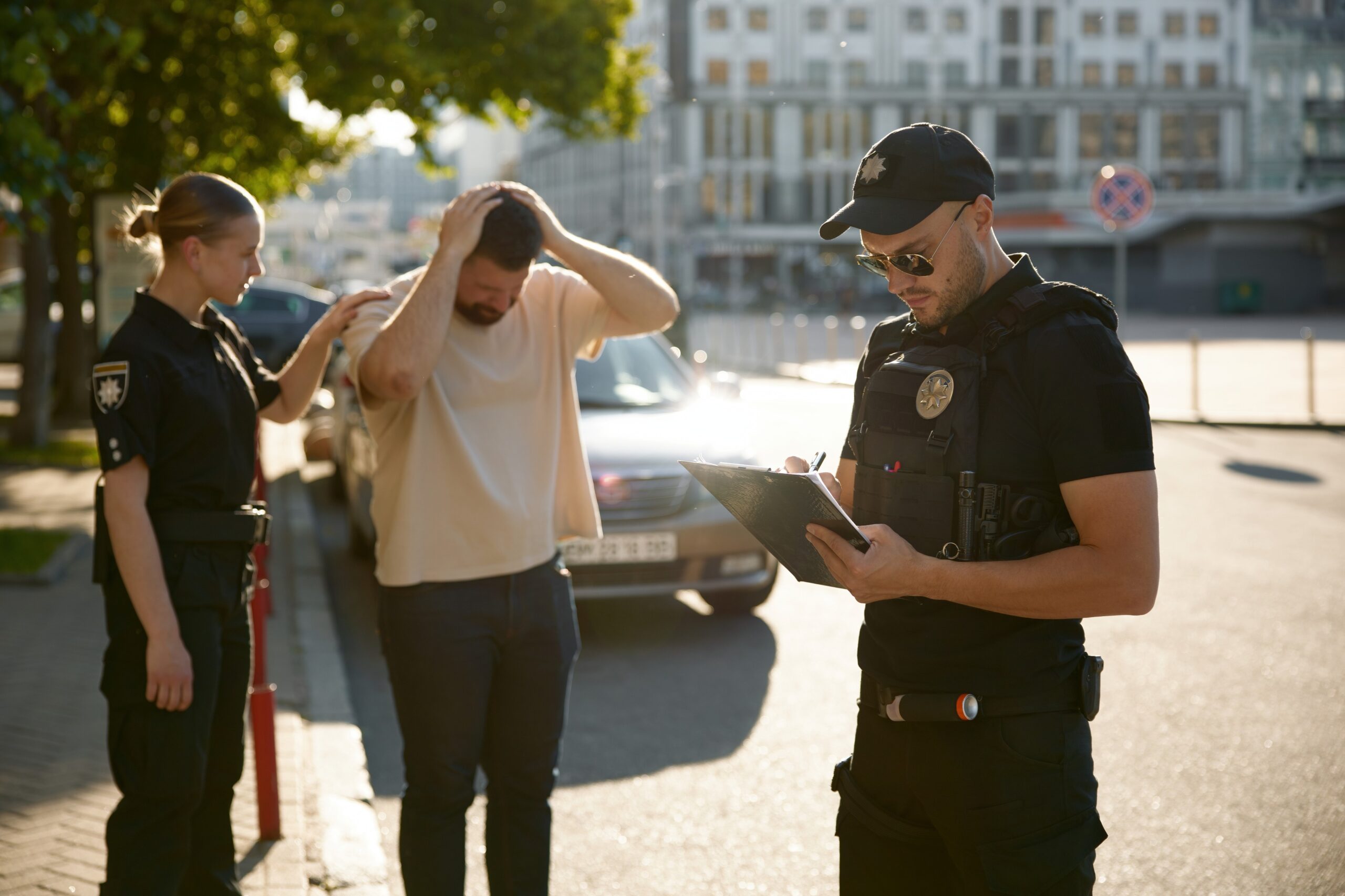
You’re driving through Kansas City traffic. You adjust your lane to avoid a pothole or a slow driver. Suddenly, red and blue lights flash behind you. The officer says you were “weaving,” and just like that, a routine drive turns stressful.
Weaving charges confuse many drivers. The term feels vague. It sounds subjective. That’s because it often is. Understanding how these charges work helps you identify potential defenses.
This guide explains what weaving means under Missouri law, the signs officers look for, and how drivers often fight these charges.
What “weaving” really means under Missouri traffic law
Missouri law does not always use the word “weaving” directly. Instead, officers rely on lane control rules and safe driving standards. Weaving usually refers to repeated movement within or across lanes without an apparent reason.
One brief drift usually isn’t enough. Officers look for patterns. Multiple lane shifts, uneven steering, or crossing lane markers often form the basis of the charge.
The lack of a strict definition creates room for dispute.
Why weaving charges often feel subjective
Weaving charges depend heavily on officer observation. No speed gun or camera is ready to confirm it. The officer’s opinion carries weight, but it’s not final.
Traffic flow, road design, and driver intent all matter. What looks unsafe to one officer may seem normal to another. That gray area matters in court.
Subjective charges invite closer review.
Common signs officers cite when alleging weaving.
Officers usually describe specific behaviors in their reports. These details help justify the stop. The most common signs include drifting within a lane, crossing lane markers, or inconsistent steering.
They may also note changes in speed or delayed reactions. These signs often appear together, not alone. A single movement rarely supports a full charge.
Context shapes how these signs are viewed.
How road and traffic conditions play a role
Kansas City roads aren’t perfect. Construction zones, faded lane lines, and potholes affect driving patterns. Heavy traffic also forces frequent lane adjustments.
Drivers often move to avoid hazards or aggressive drivers. These actions may look like weaving without context. Courts usually consider road conditions when reviewing charges.
Environmental factors matter more than many drivers expect.
When weaving leads to further investigation
Weaving charges often act as a gateway. Once stopped, officers may look for other issues. This can include license checks, sobriety questions, or vehicle inspections.
Not every weaving stop results in additional charges. Still, the initial reason for the halt becomes critical. If the stop lacks solid grounds, later evidence may be subject to review.
Everything starts with a stop.
The difference between momentary drift and actual weaving
Momentary drift happens. Drivers adjust mirrors, avoid debris, or respond to traffic. Actual weaving suggests repeated, unexplained movement over distance.
Courts often look at duration and frequency. One or two minor movements may not qualify. A sustained pattern over several blocks carries more weight.
That distinction shapes many defenses.
How dash cameras and reports affect weaving cases
Dash cameras can help or hurt. Video sometimes supports officer claims. Other times, it shows normal driving behavior.
Officer reports also matter. Vague language weakens cases. Detailed descriptions carry more weight, but they must align with evidence.
Discrepancies create opportunities for defense.
Standard defense option: questioning the basis for the stop
One common defense challenges the reason for the stop. Officers must show reasonable cause. General claims without detail may fall short.
Defense arguments often focus on distance, duration, and conditions. If the report lacks specifics, that gap matters. Courts expect more than broad statements.
This approach often shapes early outcomes.
Standard defense option: pointing to the road or traffic conditions
Road conditions provide a strong context. Construction zones, narrow lanes, and poor markings affect driving paths. The weather also plays a role.
Defense strategies often highlight these factors. If movement was reasonable under conditions, the weaving claim weakens. Context restores perspective.
This defense relies on facts, not excuses.
Standard defense option: distinguishing cautious driving from unsafe driving
Sometimes, cautious driving looks suspicious. Slowing down, adjusting lanes, or giving space can appear unusual.
Defense arguments may show the driver acted responsibly. Avoiding hazards or aggressive drivers supports safety, not recklessness. Courts often recognize that difference.
Caution isn’t misconduct.
Standard defense option: challenging the officer’s interpretation
Officers interpret behavior through training and experience. That interpretation is not infallible. Misreading driver intent happens.
Defense review often examines assumptions. Was the movement intentional? Was it unsafe? These questions matter.
Interpretation invites challenges.
What penalties can follow a weaving conviction?
Weaving convictions often lead to fines and court costs. Points may apply, depending on the charge used. Insurance rates frequently rise afterward.
If linked to other violations, penalties grow. Even alone, the charge can affect your record. Long-term impact matters more than the fine.
That’s why review matters early.
Why paying the ticket quickly can hurt your case
Many drivers pay weaving tickets to avoid court. That choice often ends the case but locks in guilt. Once paid, defenses disappear.
Reviewing the charge first preserves options. Evidence, reports, and conditions all deserve review. Speaking with a Kansas City speeding ticket lawyer before paying can often change the outcome.
Pause before you decide.
How Speeding Ticket KC handles weaving cases
Speeding Ticket KC works with Kansas City traffic courts daily. Weaving cases require a close review of stop details and officer notes. That’s a familiar process for their team.
They focus on clarity. Was the stop justified? Was the behavior unsafe? These questions guide strategy. Many cases hinge on what the report lacks.
Experience shapes better results.
What to expect if your weaving case goes to court
The court feels formal, even for traffic matters. Judges expect preparation and clear explanations. Vague answers rarely help.
Legal guidance brings focus and structure. It keeps attention on facts, not assumptions. That support often reduces stress and confusion.
Preparation changes the tone.
A quick reality check before the FAQs
Weaving charges sound simple, but rest on judgment calls. That subjectivity creates space for defense. Understanding the process keeps the situation manageable.
Now, let’s address the questions drivers ask most.
FAQs About Weaving Charges in Kansas City
- Is weaving the same as reckless driving?
No. Weaving is usually a lesser charge. Reckless driving involves a higher risk and intent. Some weaving cases escalate, but many stand alone. Context and behavior determine the difference.
- Can I be charged for weaving within my lane?
Yes, but it depends. Minor movement within a lane often isn’t enough. Repeated or extreme movement may support a charge. Courts review frequency and safety impact.
- Do weaving charges add points to my license?
They can. Points depend on the charge’s classification. Even without points, the conviction may affect insurance. Reviewing the charge helps clarify risk.
- What if road conditions caused my lane movement?
Road conditions matter. Construction, debris, or poor markings often explain movement. Courts consider these factors when reviewing charges. Documentation helps support this defense.
- When should I contact a lawyer about a weaving ticket?
As soon as possible. Early review protects options and evidence. Firms like Speeding Ticket KC can assess the stop before penalties lock in.