
Weaving in Kansas City Traffic: What Officers Look For During Stops
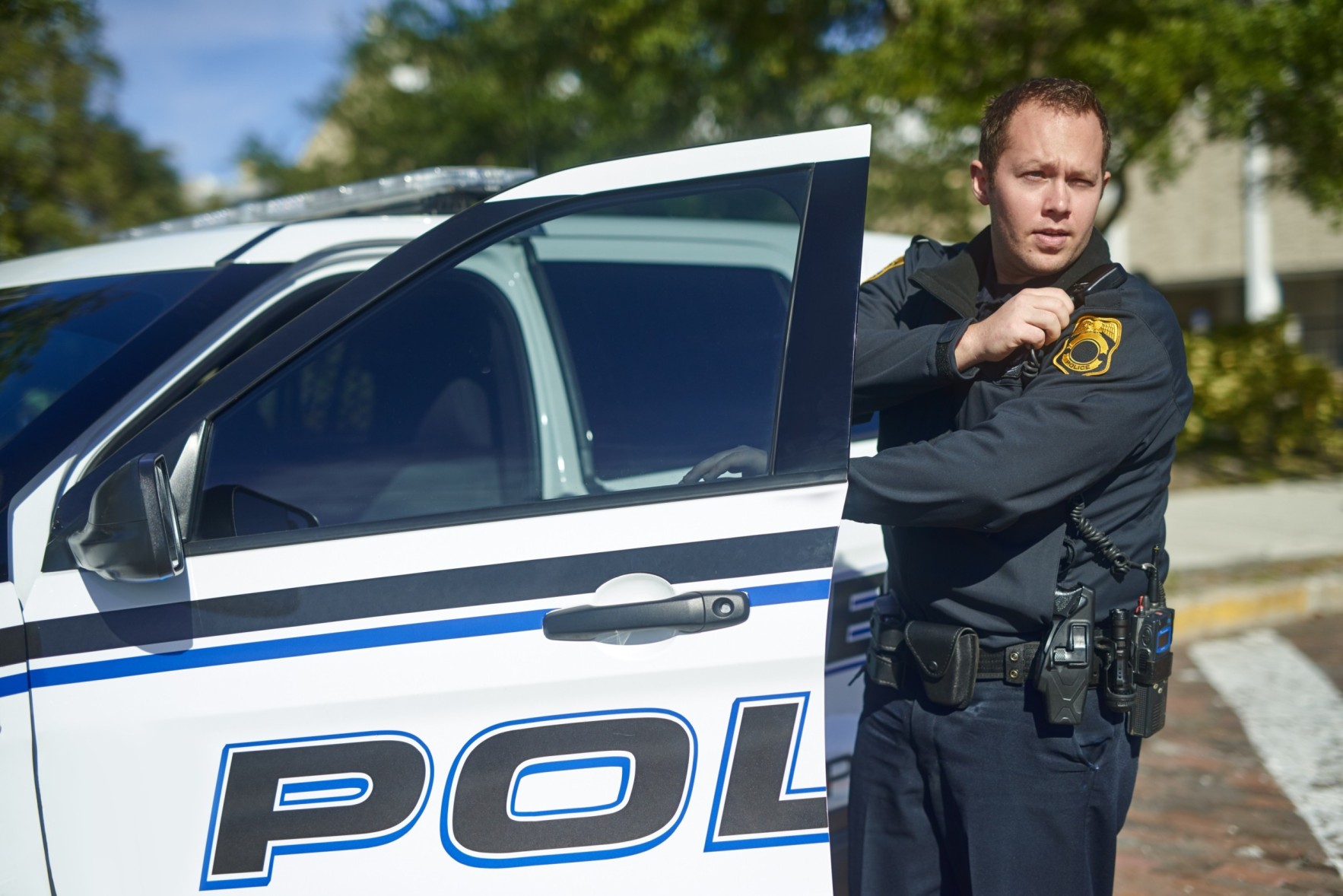
There’s a certain rhythm to Kansas City roads. Some days it feels smooth, almost calm; other days, it feels like every lane has its own mood. Weaving shows up a lot during those busy times—little shifts from lane to lane, quick moves, or those tiny swerves that don’t seem like a big deal until flashing lights appear behind you.
Many drivers don’t even realize they’re weaving. A distraction, a phone buzz, a kid asking a question from the back seat—small things pull your eyes away for a second. But officers notice these movements fast. And once they do, they have reasons to stop you, even if you didn’t break the speed limit.
Let’s walk through what weaving really means, why officers watch for it, and how a Missouri traffic lawyer—including the folks at Speeding Ticket KC—can help when a simple lane issue turns into something bigger.
So what counts as weaving anyway?
Weaving sounds simple, but it covers a range of driving behavior. Officers usually describe it as moving across lane lines without a clear purpose. That might be drifting left, then correcting, then drifting right again. It could be quick lane changes that seem rushed or risky. Sometimes it’s as small as the car touching a line over and over.
Drivers often ask, “Do I have to cross the line for it to count?” Not always. Even a slight swing in the lane can raise concerns if it happens a few times. From the officer’s perspective, weaving suggests something might be wrong. Maybe you’re tired. Maybe you’re texting. Perhaps you’ve had a drink. Or you’re trying to avoid potholes on I-70. It’s not always fair, but it’s how the stop starts.
Kansas City roads aren’t perfect, and we all know how some lanes narrow around construction. So weaving doesn’t always mean careless driving. Still, officers treat it as a possible safety risk.
Why weaving gets so much attention
Weaving is one of those signs officers are trained to spot. Many police manuals include signs of impaired or distracted driving. When an officer sees weaving, even mild weaving, they can use it as grounds for a stop.
You might think, “But I wasn’t speeding.” It doesn’t matter. Speed isn’t the only thing officers watch. Lane control says a lot about the driver behind the wheel.
Police look for weaving because:
- It may show distraction
- It may point to impairment
- It may warn of drowsy driving
- It may show reckless habits
And let’s be honest—most of us have had moments where we drifted for a second. But those moments can look worse from the outside than they feel inside the car.
Some people get nervous, and nerves make weaving worse. You’ve probably felt your hands tense on the wheel when a police cruiser comes into view. The more tense you get, the more your steering becomes. It’s strange how that works.
What officers watch during a weaving stop
Once an officer pulls you over, the weaving becomes step one in their decision-making. After that, they look for more signs. They’re building a picture of what happened.
Here are a few things they often check:
- Your eyes and how you react to light
- How fast do you answer questions
- The smell in your car
- The way you move when getting your license
- The condition of your tires or alignment
If they suspect impairment, they may request field tests. If they think distraction caused it, they might ask about your phone. Sometimes the stop stays simple. Other times it turns into several citations: weaving, speeding, failure to maintain lane, maybe even careless driving.
People often feel judged during these stops. And you know what? That stress can make you seem flustered, even if you did nothing wrong. So the officer reads your nerves as something else. That’s where a lawyer becomes helpful later—they break down the facts rather than the emotions.
What counts as an absolute “failure to maintain lane” charge
Kansas City treats weaving under a broader rule called failure to maintain a lane. If the officer believes you crossed lines without control or didn’t stay in your lane safely, you could get charged.
A few details matter:
- How long did your car drift
- Whether you hit bumps, debris, or potholes
- Whether another driver had to react
- Weather conditions like rain or glare
- Your speed and spacing
Sometimes drivers get cited even when they never crossed a line. The officer may say the weaving created a hazard. That kind of charge can feel unfair, but courts still accept it if the officer explains the movement clearly.
This is where a seasoned attorney like those at Speeding Ticket KC – traffic defense lawyers can dig into the details. They understand how officers describe weaving in their reports and how to challenge shaky observations.
A quick side note: weaving doesn’t always mean you messed up
Here’s the thing: weaving can occur for reasons unrelated to driving skill. Kansas City roads have cracks, grooves, rough patches, dips, and long construction zones. Your car might react to those without you even realizing it.
This doesn’t make you a careless driver—it makes you human.
Even wind gusts on the Bond Bridge can push a car a few inches. That doesn’t mean you’re unsafe. But officers sometimes miss those details during stops.
What to do if you’re pulled over for weaving
Try to stay steady. Slow down and pull to a safe spot. Turn off the radio. Roll down your window before the officer walks up. These small steps help the stop go smoothly.
When the officer asks questions, keep your answers short. Long stories make officers nervous, and they often lead to more questions. Don’t argue about the weaving. The roadside isn’t the time for debate.
If the officer misread the situation, a lawyer can fix that later.
How a Missouri traffic lawyer can help
People often think weaving cases are “simple.” They’re not. They involve judgment calls, officer reports, and the tone of the stop. The team at Speeding Ticket KC deals with these issues day in and day out. They know the courts and the traffic rules that shape weaving stops.
A lawyer may argue:
- The weaving was brief and not a hazard
- Road conditions caused the movement
- Fatigue or distraction was misread
- The officer misjudged the lane position
- The stop led to other charges that don’t match the facts
Sometimes lawyers even bring in alignment reports or dash cam footage. Small things can change the whole case.
And here’s something people forget: fighting the charge protects your record. Insurance companies love to raise rates for lane violations because they think they point to risky habits. A lawyer reduces that risk.
Why do weaving charges often come with extra citations
Officers seldom write only one ticket. Weaving tends to bring other charges with it. You might see:
- Speeding
- Failure to signal
- Careless driving
- Improper lane change
- Texting while driving
Traffic stops stack fast because officers treat weaving as a sign of bigger issues. Even if you weren’t doing anything wrong, the moment the officer believes something is off, they start watching everything.
That’s why so many drivers fight weaving charges—they don’t want a chain reaction on their record.
FAQ: Weaving in Kansas City Traffic
1. Can an officer stop me even if I didn’t cross a lane line?
Yes. Officers only need to see unusual lane movement that suggests a problem. You don’t have to cross a line. Even drifting inside your lane can lead to a stop. A Missouri traffic lawyer can review video or reports to see if the stop was reasonable.
2. Does weaving always mean impairment?
No. Many things cause weaving. You might be tired, distracted, or avoiding rough road patches. Officers look at weaving as a clue, not proof. A lawyer can argue that the movement had nothing to do with impairment.
3. Can I get multiple tickets from one weaving stop?
Yes, and it happens a lot. Officers often add speeding or careless driving charges. Speeding Ticket KC can review each charge and fight the ones that don’t match the facts.
4. Will a weaving ticket raise my insurance rates?
Sometimes it does. Insurers think that weaving ties to unsafe driving. Keeping the ticket off your record helps protect your rates. This is why many drivers hire a lawyer rather than pay the fine.
5. Do I need a lawyer for a weaving charge?
You don’t have to hire one, but it helps. Weaving cases depend on details and how the officer described your driving. A lawyer from Speeding Ticket KC can identify weaknesses in the report and help reduce or dismiss the charge.