
What Causes Most Truck Accidents? – Guest Post
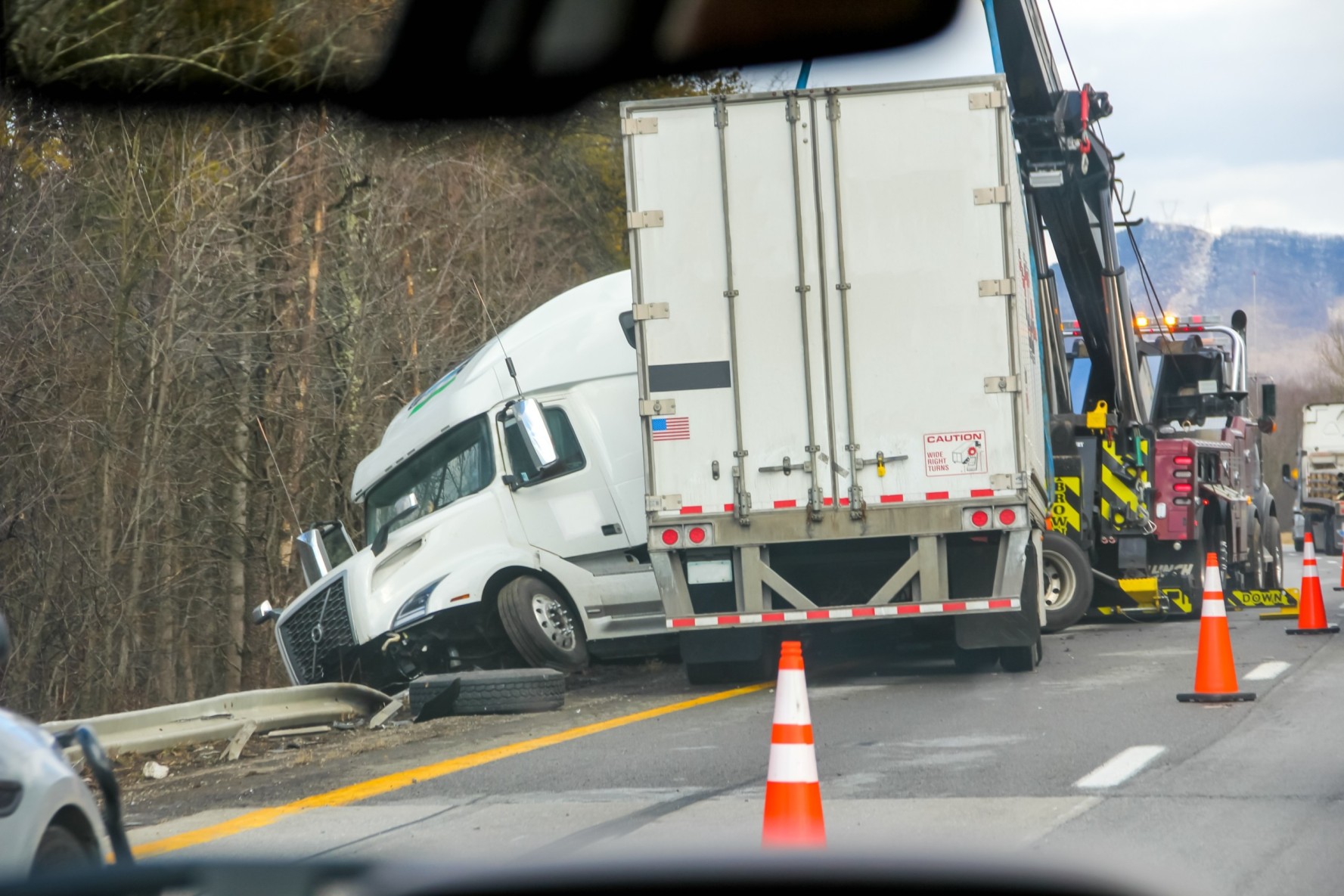
The United States witnessed 1,600 truck crashes that resulted in fatalities by July 25, 2025. In 2023, 5,375 big truck fatalities were recorded. Some states experienced more than 3,900 large truck accidents. 25% of the said incidents happened on interstate highways.
Trucks can cause significant traffic hazards during accidents, as they are large and tend to be heavier compared with cars. When an accident occurs involving an 18-wheel truck, it significantly increases the chances of suffering serious injuries or even death.
Now let’s look at the most common causes of truck accidents and explain how drivers, carriers, and regulators can work to mitigate these risks on the road.
Understanding the Common Causes of Truck Accidents
Another explanation for truck crashes is driver speeding or unexpected lane changes. A faulty brake can lead to a dangerous crash and mechanical problems.
Drivers ought to remember that adverse weather conditions always make fatal driving situations.
Accidents with fatal outcomes or totally life-challenging events can be caused by an unskilled driver operating the truck.
When goods are loaded unevenly, one ends up with a weight-distribution problem. This problem can make trucks figuratively slide off sideways while they speed up or waver through a tight turn.
A basic awareness of the elements involved in accidents causes people to be more wary of big trucks when on the road.
Driver Fatigue and Its Impact on Truck Accidents
Exhaustion ranks as one of the critical components related to almost all trucking accidents and other motor vehicle-related violations. According to Richmond truck accident attorney T. Noel Brooks, a trucker who has become fatigued, may not have the mental means to react very swiftly on the road. Sleep-deprived drivers lose alertness and concentration.
When people are drowsy, they are prone to making mistakes judging output and speed. The job of a truck driver is to recognize the signs of fatigue so that they can take preventive measures to address it.
Employers should establish routine rest breaks for their drivers. Truck drivers should thoroughly learn the regulations required by CDL (Commercial Driver’s License) and access help to minimize the accidents motivated by drowsiness. Safe driving should be a commitment made by drivers to themselves and other road users.
How Vehicle Maintenance Issues Lead to Accidents
Drivers should put full attention into their driving. They need to keep their trucks in top shape so as not to be a reason for major accidents whenever possible, for safety’s sake.
A vehicle inspection is mandatory for truck drivers. Inspection must be done on the brake, light, and tire to guarantee the safety of all truck drivers. One must recognize that running a heavy vehicle with defective brakes is not safe.
Always conduct regular checkups and maintenance for trucks.
Weather Conditions and Their Impact on Truck Accidents
Weather continues to have a significant impact on big truck safety.
Drivers are going to find themselves in two main problems when operating their vehicles on slippery roads without proper safety equipment: extended stopping times and increased risk of accidents. Drivers must decrease their speed and drive their vehicles with respect to other vehicles during all types of dangerous weather.
Strong winds can also disrupt truck stability when drivers operate their vehicles with heavy loads. Drivers should examine weather conditions through reports before starting their journey. Delaying the trip may be the best alternative when severe weather prevails.
Regulatory Failures in Trucking and Safety
In the absence or lack of proper regulations in the transportation sector, concern for even the largest safety issue mainly falls on the driver and pedestrian.
The current safety standards that regulatory authorities enforce through their active monitoring create a situation where businesses must meet all safety requirements to achieve secure operational conditions.
Even if you drive carefully and maintain your car, it can be hard to share the road with tired drivers of unsafe trucks. Drivers who lack training programs and miss important assessments lead to unsafe conditions that put workers at risk.
The current safety measures in the trucking industry remain outdated since regulatory frameworks fail to match the actual needs of the industry. The absence of proper supervision results in a situation that leads to repeated accidents together with accompanying injuries and deaths.
You need to pay attention to these safety hazards since they put your life and the lives of all drivers on the road at risk. The public should demand implementation of stringent governance measures.
Effective Safety Measures to Prevent Truck Accidents
The combination of various safety measures needs to be implemented. It serves as the only way to achieve substantial reduction of emergencies that involve truck-related hazards. The system requires both scheduled vehicle maintenance and immediate problem resolution to prevent small issues from developing into major faults. The program needs to test drivers on both defensive driving techniques and fatigue management skills, which they will learn through their training.
The program should incorporate modern sensor technology, including lane departure warning systems and collision avoidance systems. improves operational safety for heavy-duty equipment operations. The implementation of strict regulations is needed to control driving time and stop drivers from becoming exhausted.
Drivers need to receive complete information about road conditions and safety practices. This approach allows them to share their knowledge with one another. Trucking companies need to establish a safety culture by requiring their employees to demonstrate both commitment and organizational accountability for their tasks.
Proper legislative standards ought to be put in place to enhance regulations for the trucking industry. The implementation of such measures adds security and results in a safe environment that protects all road users from possible accidents.