
What Drivers Need to Know About Speeding and Road Safety – Guest Post
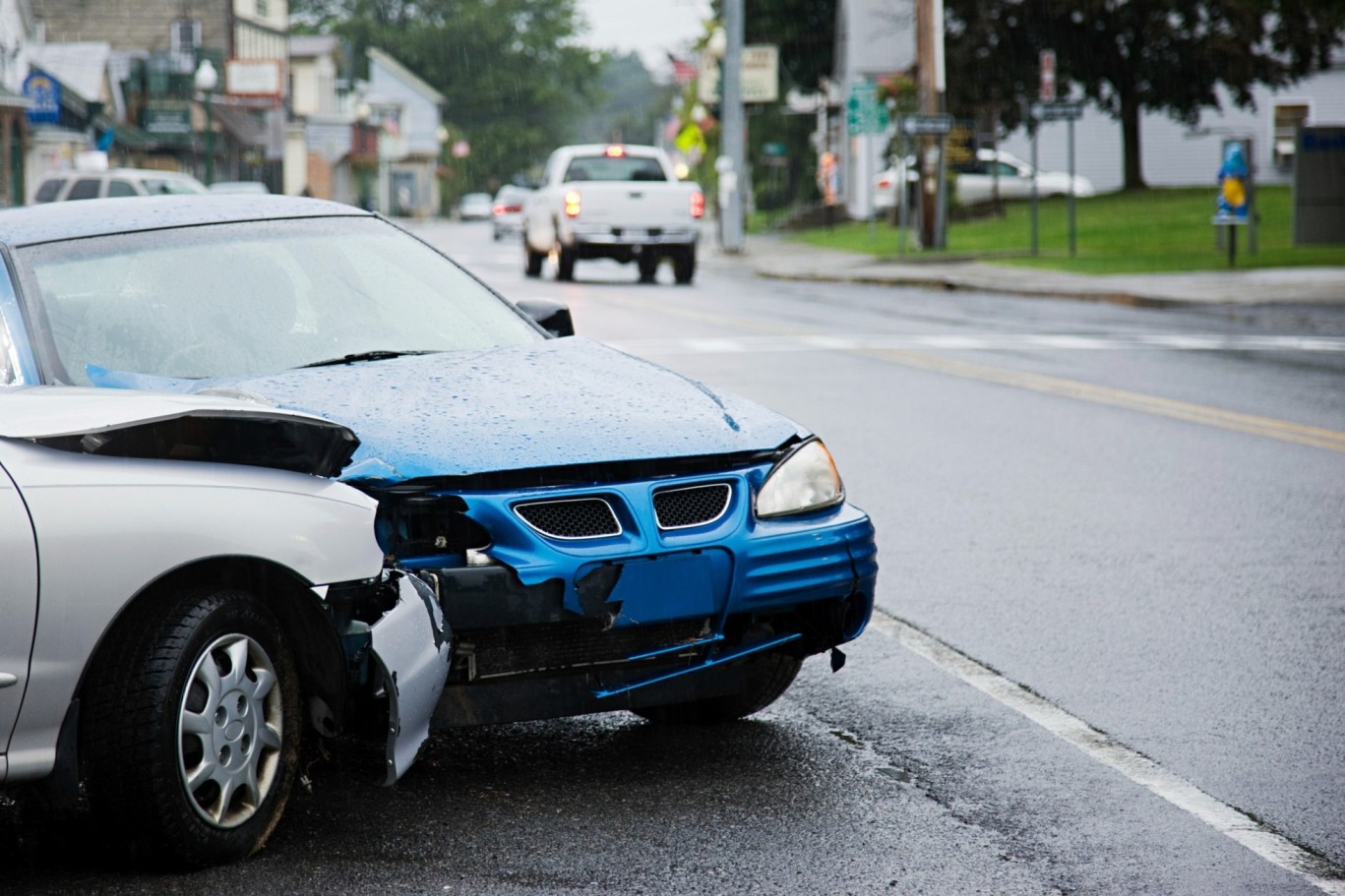
Speeding is one of the most common causes of serious traffic crashes. Drivers need to understand that following speed limits, staying alert, and adjusting speed to road conditions are essential parts of road safety.
When drivers ignore these rules, the risk of collisions, injuries, and fatalities increases significantly. Many of these incidents are known as speeding accidents, which often lead to severe damage and life-changing consequences.
Driving at safe speeds protects not only the driver but also passengers, pedestrians, and other people on the road. Speed limits exist for a reason. They are designed based on road conditions, traffic flow, and visibility to keep everyone safer.
Understanding how speeding affects safety can help drivers make better decisions behind the wheel. The more drivers learn about the risks and consequences, the more likely they are to slow down and drive responsibly.
Why Speeding Is So Dangerous
To understand road safety, it helps to first look at why speeding is risky. When a vehicle travels faster, the driver has less time to react to sudden changes on the road.
For example, a driver may need to respond quickly if:
- Another vehicle suddenly brakes
- A pedestrian crosses the street.
- Road debris appears ahead
- Traffic suddenly slows down
At higher speeds, stopping distance becomes much longer. This means a driver may not be able to stop in time to avoid a crash.
In addition, speeding increases the force of impact during a collision. The faster a vehicle travels, the more severe the damage can be. This is why high-speed crashes often lead to serious injuries.
How Speed Affects Reaction Time
Reaction time is a critical factor in safe driving. It refers to the time it takes for a driver to notice a hazard and respond by braking or steering.
When driving faster, a vehicle covers more distance in a shorter time. Even a one-second delay can make a huge difference.
For example:
- At 30 mph, a car travels about 44 feet per second.
- At 60 mph, it travels about 88 feet per second.
This means that when speed doubles, the stopping distance increases significantly. As a result, drivers have less margin for error.
Because of this, safe driving requires keeping speeds at reasonable levels.
Common Reasons Drivers Speed
Even though most drivers understand the risks, speeding still happens every day. Several factors contribute to this behavior.
Some of the most common reasons include:
- Running late or feeling rushed
- Overconfidence in driving skills
- Empty roads that make drivers feel comfortable driving faster
- Peer pressure from other drivers
- Lack of awareness about speed limits
While these reasons may seem minor, the consequences can be severe. A few minutes saved by speeding can never justify the risk of a crash.
The Legal Consequences of Speeding
Speeding does not only put lives at risk. It can also lead to serious legal and financial consequences.
Drivers who exceed speed limits may face the following:
- Traffic tickets
- Fines and court fees
- Points on their driving record
- Higher insurance premiums
- License suspension in serious cases
If speeding leads to a crash, the consequences may become even more severe. Drivers may be held responsible for injuries, property damage, or even criminal charges.
Understanding these risks can encourage drivers to take speed limits more seriously.
Key Takeaways
- Speeding increases the risk of crashes and serious injuries.
- Faster speeds reduce reaction time and increase stopping distance.
- Common reasons for speeding include rushing, overconfidence, and lack of awareness.
- Speeding can lead to legal penalties, fines, and higher insurance costs.
- Simple habits like following speed limits and adjusting for road conditions improve safety.