
What Happens After Striking a Stopped Vehicle in Kansas City
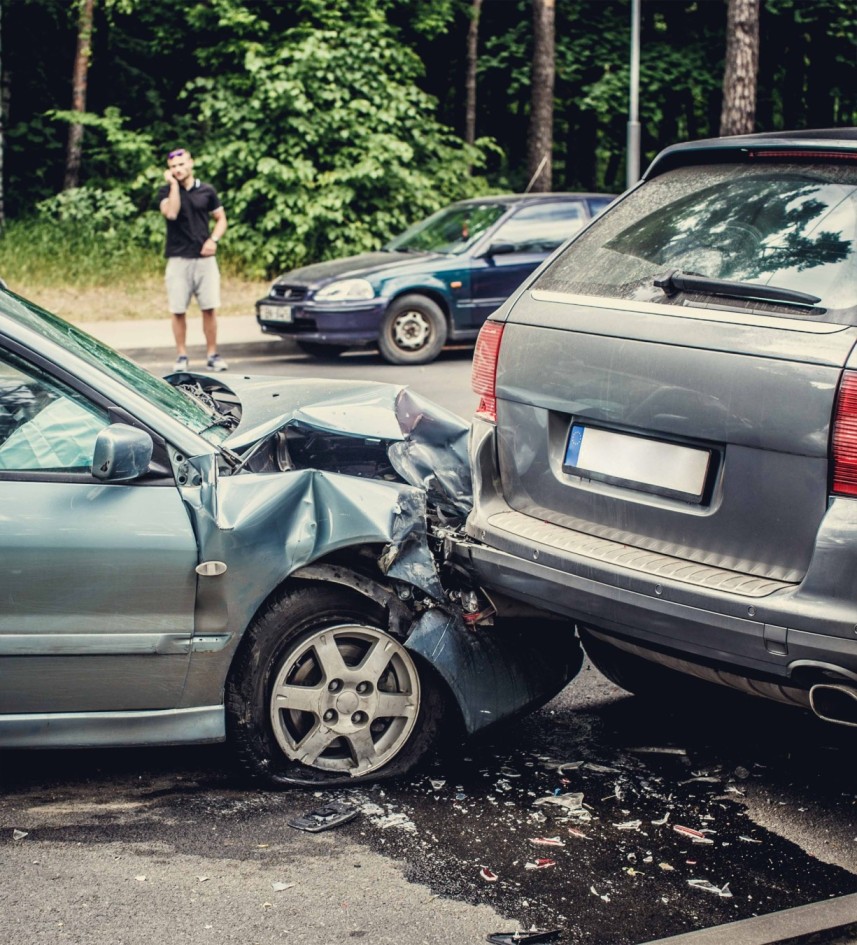
You never plan for it. One minute you’re cruising, maybe thinking about coffee or dinner, and then suddenly you hear it — that unexpected bump.
You hit the back of another car that was stopped. In Kansas City traffic, it happens more than most people think. It’s jarring, confusing, and honestly scary in that first moment.
Your heartbeat spikes. You look at the other driver. You wonder if you should even move your hands. And then a flood of thoughts rushes in:
What should I do next?
Is this going to wreck my insurance?
Am I screwed?
Let’s walk through what really happens after that kind of crash — in a way that feels grounded, real, and helpful.
Those First Minutes After the Crash
Right after impact, everything feels weirdly slow and chaotic at the same time. People often look for obvious things first — is anyone hurt? How bad is the damage?
But the law doesn’t care what you feel. It cares what you do. And the first thing Missouri law is clear about is this: you stop. Stay put. Don’t leave.
Even if the damage looks minor, you must check on the other driver and exchange contact and insurance info.
Sounds simple, but stress makes people talk too much. Some start apologizing in long sentences. Others panic and try to explain before they calm down.
Fast reactions like that matter. What you say and how you say it ends up in police reports and insurance records. That’s part of what shapes what happens next.
Why Police Often Assume You’re at Fault
Let’s be honest: most rear-end crashes feel like you came up too fast on someone. That’s because most rear-end crashes are caused by following drivers not leaving enough space.
Police expect you to watch the road and maintain a distance so you can stop safely. If you hit a stopped car, they often see that as a failure to do just that.
That doesn’t automatically mean you’re entirely at fault, but it often starts there.
Now here’s the subtle part: judges and insurance companies tend to agree with police. They see diagrams, photos, and reports later.
But life isn’t that neat. Some stopped cars aren’t where they’re supposed to be. Their brake lights might be out. Maybe they stopped for a reason you couldn’t predict. These details matter more than most drivers realize.
Not Every Stopped Vehicle Is Innocent
Honestly, some crashes aren’t just a matter of driver inattention. Imagine this: you’re on a busy street. A car ahead stops suddenly in an odd spot. No brake lights. No reason you can see. Maybe they’re avoiding a pothole. Maybe a dog runs out.
Now you hit them. That scenario doesn’t automatically absolve you of your responsibility, but it changes the story. Officers and insurance adjusters consider factors such as visibility, road conditions, and car positioning.
That’s why documenting what happened — even small details like skid marks or lighting — can matter later.
What Police Do When They Arrive
If someone calls it in or the crash looks serious, the police show up. When they do, they’re not there to comfort you. They’re there to document what they see.
They note where the cars are. They look at damage angles. They talk to both drivers and sometimes witnesses. That’s when the ticking tape recorder of the official report begins.
Officers may ask questions that feel a little invasive or like you’re being accused. Try not to answer more than you know. Nervous chatter gets folded into the official narrative.
The officer might hand you a citation. That feels heavy at the moment. It can feel like a judgment right then and there. But that citation is one person’s assessment — not the final word.
Why Your Words Matter Later
Here’s something drivers don’t always think about: what you say at the scene ends up in reports. And if the case goes to insurance or court later, those words stick.
Saying “I wasn’t paying attention” sounds honest at the moment, but later it becomes evidence against you.
A better instinct is to be calm, brief, and clear. Just stick to facts you know for sure. Your reactions matter long after the moment ends.
When Insurance Companies Get Involved
Your insurance carrier responds fast. You file a claim. They open an investigation. They look at photos, reports, and statements.
They’re looking for patterns. They want to know who pays for what. They want to protect their money, of course.
If they see you rear-end a stopped car, they often mark you as the responsible party. That affects your premiums. That’s part of why rates often go up after these crashes.
A minor bump today can lead to a subtle rise in your payments months later — sometimes the first you even notice is at renewal time.
Minor Injuries Can Complicate Things
Not every crash causes injury. But sometimes what feels like a minor soreness after the impact becomes something more serious. Pain often shows up hours later, not minutes.
Once medical bills start, priorities shift. Claims change. Suddenly, vehicle damage isn’t the only expense.
This is exactly where it helps to have someone familiar with traffic injury claims — someone who understands how medical and driver liability interact.
Criminal Charges? Rare, But Possible
Most rear-end crashes stay in the civil world. But if impairment, reckless behavior, or serious injury is involved, a crash can escalate.
For example, if someone was under the influence at the time or if there was aggressive driving, criminal charges become possible. That’s when you don’t want to guess about what to do next.
The Advantage of Talking to a Lawyer Early
Here’s the thing: once you make statements or pay a ticket, it’s hard to reverse course. Mistakes made early often stay on record.
A Missouri speeding ticket lawyer can give you a fresh set of eyes before things harden into conclusions. They know the paths officers follow, what insurance companies look for, and where the case’s weak spots lie. That’s not about avoiding responsibility. It’s about ensuring fairness.
Traffic in Kansas City is its own kind of chaos
Let’s be honest — Kansas City traffic shifts without warning. One moment, traffic flows smoothly. Next, someone brakes hard for no visible reason.
Construction seems to spring up overnight. Road signs shift. Drivers cut in unexpectedly. All of that noise and flux plays into crash risk.
Officers and courts don’t ignore that. They see it. And local experience matters when interpreting what happened.
How Speeding Ticket KC Helps in These Matters
Speeding Ticket KC is one of the renowned law firms in Kansas City, Missouri. They handle traffic-related matters every day, especially citations issued after collisions.
Their job is to look at the specifics — the angles, the reports, the real moments — and advocate for a fair interpretation.
They don’t chase dramatic headlines. They focus on a steady, clear defense strategy that protects your long-term record.
Why Paying a Ticket Too Fast Can Hurt
After a crash, your instinct is often “just end this.” Pay the fine. Move on. That impulse is understandable. It feels like closure.
But paying the ticket usually means admitting guilt. That choice becomes very hard to undo later.
Pausing doesn’t mean evading responsibility. It means making thoughtful decisions with all the information.
Hidden Costs Most People Don’t See
Car damage isn’t just dents and scratches. Sensors, frames, and alignment issues can go unnoticed.
Rental cars cost money. Missed work costs money. Even time off looking for parts costs money.
These hidden costs matter during settlement talks and insurance negotiations. Documenting everything early helps preserve value.
Shared Fault Scenarios
Missouri allows shared fault. So if the stopped vehicle did something unusual, that detail can shift how blame is divided.
Maybe they stopped in an odd place. Maybe the brake lights were broken. Maybe traffic patterns forced sudden stops. Shared fault doesn’t erase responsibility. It just adjusts how much each driver pays.
Practical Steps That Actually Help
After the crash, do this:
- Take clear photos while you’re calm
- Record details while your memory is fresh
- Keep conversations at the scene factual and brief
These are small acts, but they help protect accuracy — not conflict. Humans forget shapes, colors, and angles fast. Photos don’t.
FAQs About Striking a Stopped Vehicle in Kansas City
1. Does hitting a stopped car mean I’m always at fault?
No. It’s often assumed, but circumstances like poor lighting or unusual stops can change the assessment.
2. Will I definitely get a ticket?
Not always. Some crashes lead to warnings or no citation at all. Each case is unique.
3. Can I fight a ticket after this type of crash?
Yes. Tickets reflect one person’s view at one moment. Evidence and context matter.
4. Does this crash guarantee higher insurance rates?
Often, but not always. Rates depend on your history, claim size, and company policy.
5. Should I hire a lawyer after hitting a stopped vehicle?
Many drivers do, especially if injuries, citations, or complex circumstances are involved.
Final Words
These crashes feel sharp and confusing right now. But they don’t define your driving skills. What defines you is how you respond — calmly, thoughtfully, and with the right help when you need it.
If you’ve struck a stopped vehicle in Kansas City, take a breath. You don’t have to have all the answers right now. What matters is making careful choices next.