Understanding Traffic Citations and Civil Claims
A traffic accident is more than just fixing one’s car. It involves meeting with the police, filing the insurance claim, seeking medical care, and attending to any traffic violations, amongst others, which could be quite cumbersome to deal with in paperwork. As much as most people think about the direct effects of an accident, how these documents are treated will influence their legal and insurance affairs in the future.
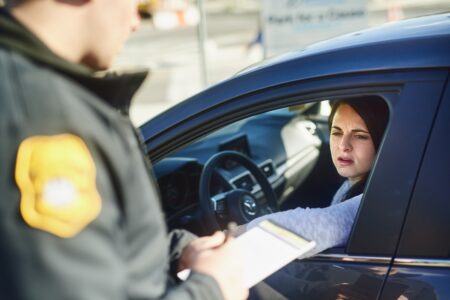
The first misconception about an accident is that if someone receives a traffic violation, it means that he or she is at fault in an accident. This is not true, since a traffic violation and a civil claim are two very different things. The traffic violation deals with any traffic laws, for example, speeding, while a civil claim deals with those at fault in an accident.
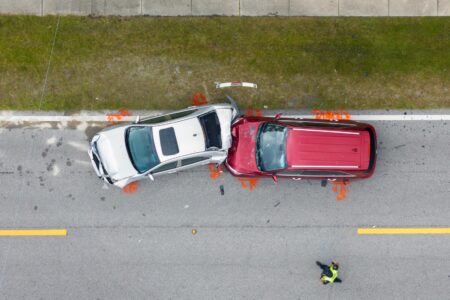
For instance, let us assume that Driver A gets cited with a ticket for tailgating after an accident occurs where they have rear-ended another car. Even though a traffic ticket may indicate that there was a traffic violation, it could be that there was an emergency braking of another vehicle because of a problem with the vehicle itself or due to someone swerving into the lane. This is just one aspect of the story.
Why Documentation Matters
Proper documentation usually turns out to be one of the greatest assets of the driver following the accident. Insurance companies are strongly dependent upon written documentation while investigating claims, and any lack of it can lead to unnecessary delays.
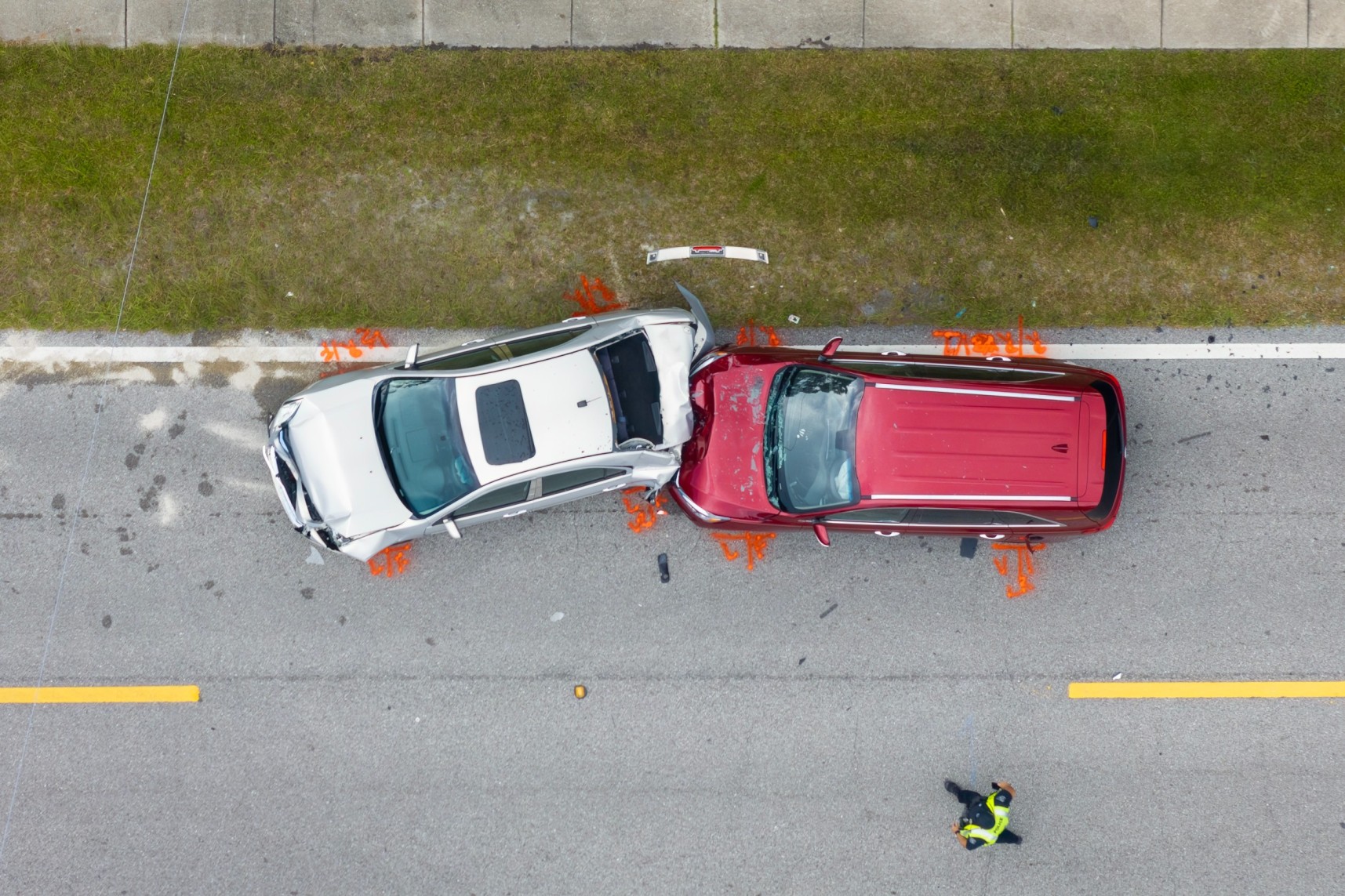
For example, taking pictures of the scene before the cars are moved will allow the person to prove the position of the vehicles involved in the collision, weather conditions, skid marks, and even traffic signs which are not visible at the moment of investigation of the claim. In addition, keeping track of the repair estimates, bills of hospitals and rental cars, as well as letters to the insurance company will help to keep the record of all expenses incurred in connection with the accident.
Proper documentation is also needed in case of the contestation of a traffic citation in court. Taking notes immediately after the accident and collecting photos and contacts of witnesses will help the lawyer to understand the situation better.
Property Damage Can Raise Additional Questions
Every crash does not involve cars alone. A person could cause a car to come into contact with something such as a fence, mailbox, wall, utility pole, among other items that could be found on private property. Before settling some claims for property damage, an insurance company needs to establish ownership of the item being claimed for.
For example, when a vehicle causes damage to an ornamental fence between two neighboring homes, and there is doubt over who owns the fence, then the records need to be checked. In the course of this procedure, people looking into ownership transfers can encounter a quit claim deed form, which is often employed in some property dealings in order to transfer ownership interests. Though property law is independent of traffic law, proper documentation ensures that payment for property is done to the right property owner.
Final Thoughts
A great deal of legal trouble may be avoided through the loss of necessary documentation, failure to keep up with deadlines, and making assumptions prematurely. It is best to take pictures, document electronically, organize paperwork, and respond timely to any demands by the insurance company.
Regardless of whether an accident leads to simply being ticketed for a traffic violation, or whether an issue with insurance arises, it will always be beneficial to have proper documentation available. Should there be any significant injury, liability disputes, or major traffic violations, an experienced lawyer will come in handy.
Disclaimer: This article is provided for general informational purposes only and does not constitute legal advice. Every accident presents unique circumstances, and readers should consult a qualified attorney regarding their specific legal situation.