
Why Do Red-Light Accidents Happen So Often in Phoenix? – Guest Post
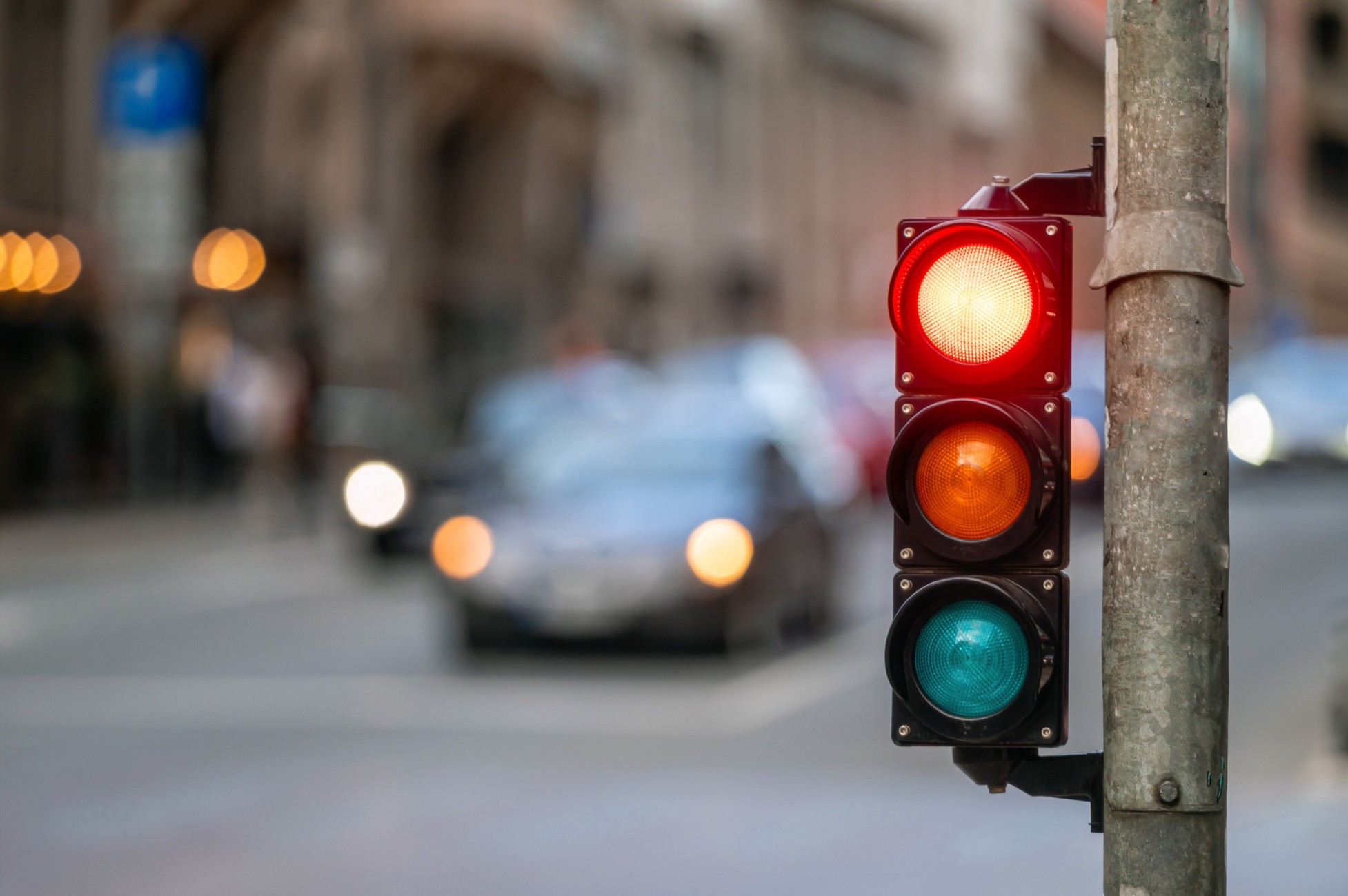
Red-light accidents happen so often in Phoenix because of heavy traffic, fast-moving roads, distracted driving, and drivers trying to beat signals. The city has wide intersections and long stretches of road that encourage higher speeds.
When drivers approach intersections too fast, they often misjudge the timing of traffic signals. Many crashes occur when motorists try to rush through red and yellow lights instead of slowing down.
In a busy metro area like Phoenix, even one driver’s split-second decision can cause a serious collision. These crashes are often severe because they happen at intersections where vehicles cross paths.
Let’s take a closer look at the main reasons these accidents are so common.
Heavy Traffic and Rapid Growth
Phoenix has grown quickly over the years. More people means more vehicles on the road.
With more cars, you get:
- Crowded intersections
- Longer wait times at signals
- Frustrated drivers
- Increased chances of risky behavior
As traffic builds up, some drivers become impatient. Instead of waiting for the next green light, they try to squeeze through at the last second. That is when crashes often happen.
Busy intersections increase the odds that someone will make a mistake.
Wide Roads Encourage Speeding
Another major factor is road design. Phoenix is known for its wide streets and multi-lane intersections.
Wide roads can create a false sense of safety. Drivers may feel comfortable going faster than they should. However, higher speeds make it harder to stop in time when a light turns yellow.
Speeding leads to:
- Longer stopping distances
- Reduced reaction time
- More severe impact during a crash
When someone speeds toward an intersection, they may not be able to stop safely once the light changes.
Distracted Driving
Distraction is a growing problem everywhere, and Phoenix is no exception.
Common distractions include:
- Cell phones
- GPS systems
- Eating while driving
- Talking to passengers
A distracted driver may not notice a traffic light turning red. Even a few seconds of inattention can lead to a serious T-bone collision.
Because intersections require full attention, distraction increases the risk dramatically.
Running Yellow Lights
Many red-light accidents actually start with a yellow light.
When drivers see a yellow signal, they often make a quick decision:
- Speed up to beat the light
- Slam on the brakes suddenly
Both choices can be dangerous. Speeding through a yellow light increases the risk of entering the intersection after it turns red. On the other hand, sudden braking can cause rear-end collisions.
Poor judgment during this short window is a major cause of intersection crashes.
Impaired and Aggressive Driving
Unfortunately, impaired driving also plays a role.
Drivers under the influence of alcohol or drugs may:
- Have slower reaction times
- Misjudge distances
- Ignore traffic signals
Aggressive driving is another issue. Some motorists simply take risks, especially during rush hour.
These behaviors make intersections even more dangerous.
Why These Crashes Are So Serious
Red-light accidents are often side-impact collisions. These are sometimes called T-bone crashes.
Side-impact crashes are dangerous because:
- The sides of vehicles have less protection
- The driver or passenger may take the direct hit
- The impact happens at high speeds
As a result, injuries can include broken bones, head trauma, and spinal injuries.
The combination of speed and crossing traffic makes these accidents especially severe.
How Drivers Can Reduce the Risk
Although you cannot control other drivers, you can lower your own risk.
Here are simple steps:
- Slow down as you approach intersections
- Cover your brake when a light turns yellow
- Look both ways before entering on green
- Avoid using your phone while driving
- Leave enough space behind other vehicles
Defensive driving makes a big difference.
Key Takeaways
- Red-light accidents are common in Phoenix due to traffic, speed, and driver behavior.
- Wide roads encourage faster driving and late braking.
- Distraction and impatience play major roles.
- Yellow-light decisions often lead to crashes.
- Slowing down and staying alert can reduce your risk.