
Why Strong Traffic Law and Awareness Matter for Everyone – Guest Post
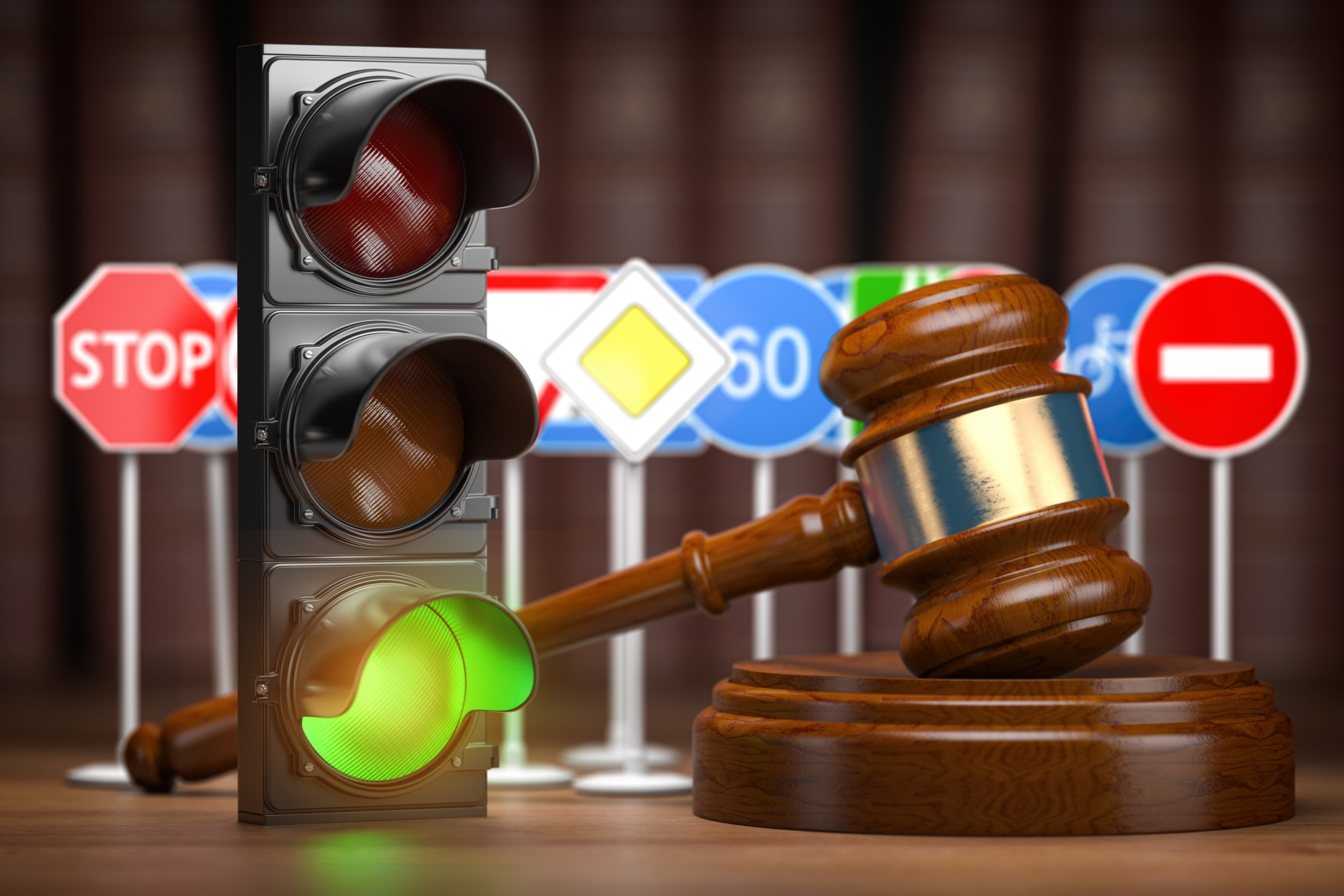
Traffic Law is much more than a set of rules printed in a handbook. It is a protection system created to reduce crashes, prevent injuries, and help people move safely every day. Roads are shared spaces. One driver’s decision can affect many others, including pedestrians, cyclists, motorcyclists, and passengers. Professionals who work closely with real road accident victims, such as Bicycle Law Group in Georgia, often remind us how a single careless action can reshape someone’s entire life. When people understand the reasons behind Traffic Law, they begin to see safety as a shared responsibility, not a limit on their freedom.
Most road accidents come from simple choices. A seat belt left unbuckled, a quick text message, a moment of speeding, or a misjudgment caused by fatigue can turn an ordinary trip into an emergency. Awareness is what turns rules into habits. A driver who understands the risk behind each action is far more likely to act safely and predictably.
When communities follow strong traffic safety practices, the benefits reach far beyond individual drivers. There are fewer injuries, less damage, lower financial costs, and less pressure on emergency services. Safe travel makes life easier and more stable for everyone.
Core Principles of Traffic Law for Safer Roads
Traffic Law sets clear expectations that prevent common and serious dangers. These principles protect every road user and help keep daily travel predictable.
Use Seat Belts and Restraints Properly
Wearing a seat belt is one of the simplest ways to prevent severe injury. Safety agencies have shown for years that seat belts save lives. In most places, buckling up is a legal requirement for both front and rear passengers. Children must ride in proper restraints because standard seat belts do not protect their smaller bodies correctly.
Seat belts protect you even when the crash is someone else’s fault. A sudden stop or a side impact can come without warning. The restraint keeps your body secure and reduces the chance of serious harm.
For motorcycles and bicycles, helmets serve the same purpose. A strong helmet protects the head, which is the most vulnerable part of the body during a fall or collision. Many safety programs strongly recommend or legally require helmets because they prevent life-changing injuries.
Never Drive Under the Influence of Alcohol or Drugs
Driving under the influence continues to be a major cause of fatal accidents. Drink and drive laws are strict for a reason. Alcohol and drugs affect reaction time, decision-making, and coordination. Even small amounts can reduce awareness and slow your response to danger.
Impairment also includes certain prescription medicines and over-the-counter drugs. Some cause drowsiness, dizziness, or delayed reactions. Drivers must check how a medication affects them before getting behind the wheel. A responsible choice here can prevent a crash and save lives.
Stay Alert: Avoid Common Driving Mistakes
Even experienced drivers make mistakes. Many accidents happen not because someone intended to break the rules, but because they were distracted, tired, or simply not paying full attention.
Do Not Drive Distracted or Drowsy
Distraction is one of the fastest ways to create risk. Texting, calling, adjusting the navigation screen, eating, or handling objects inside the car can pull your attention away from the road. Many safety studies list distraction as one of the top reasons drivers lose control or fail to notice hazards.
Drowsy driving creates similar danger. A tired mind reacts slowly. Fatigue makes it harder to stay in lane, judge distance, or notice sudden changes ahead. When you feel tired, the safest option is to rest before continuing.
Respect Speed Limits and Adjust to Conditions
Speed limits exist to match the design and risk level of each road. Driving faster reduces the time you have to react and increases the impact force during a crash. Following posted limits is a basic legal requirement, but safe driving goes one step further.
Drivers must adjust their speed when the road is wet, visibility is low, or traffic is heavy. Safe-speed awareness means choosing a speed that fits the conditions, not simply following the number on a sign.
Keep Safe Distance: The Space Cushion Principle
A safe following distance gives you time to react to sudden changes. A simple method is the two second rule. Choose a fixed point on the road and make sure at least two seconds pass before your car reaches it after the vehicle ahead. Increase this distance in rain, fog, or at night.
A strong space cushion also involves looking ahead, checking mirrors often, and staying aware of blind spots. These habits help drivers avoid sudden surprises and give them more time to respond to other road users.
Share Responsibility: Consider Others on the Road
Roads are used by many people with different levels of protection. Cars, bikes, motorcycles, and walkers all move together, and Traffic Law is designed to protect everyone.
Watch Out for Vulnerable Road Users
Pedestrians, cyclists, and motorcyclists are more exposed to harm. Drivers should give them extra space, reduce speed in busy areas, and be prepared for sudden movements. School zones, residential streets, and intersections require special attention because vulnerable users are more common there.
In low visibility, safety demands even more caution. Rain, darkness, and fog make it harder to see people on foot or on bikes. Using headlights, slowing down, and staying alert help prevent accidents.
Defensive Driving Mindset: Expect the Unexpected
Defensive driving is one of the strongest forms of protection. It means staying prepared for anything that could happen. Another driver may stop without warning. A car may change lanes without signaling. A pedestrian may cross suddenly. Thinking ahead helps prevent crashes before they occur.
Defensive habits include checking mirrors often, keeping a wide space cushion, and never assuming others will follow every rule. Good driving is not only about obeying laws but also about anticipating possible danger.
Why Traffic Law Is Not Only About Drivers: It Is a System Goal
Traffic safety comes from a complete system that includes laws, road design, enforcement, and public behavior.
The Role of Regulations and Enforcement in Reducing Risk
Traffic laws are effective because they create structure. They guide how every road user should behave and reduce confusion. Enforcement keeps these rules meaningful. When drivers know unsafe actions have consequences, they are more likely to follow the law and protect others.
Regulations also evolve over time. As new vehicles, new technologies, and new road challenges appear, lawmakers and safety organizations update the rules. This helps keep the system strong and relevant.
Designing Safer Roads: Infrastructure and Urban Planning Matters
Road design shapes how safely people travel. Features like speed management zones, clear markings, improved lighting, and smooth road surfaces reduce accidents. Urban planning also helps by adding protected bike lanes, safe pedestrian crossings, and well-marked intersections.
Good infrastructure supports Traffic Law because it gives drivers clear guidance. When the road layout encourages safe behavior, crashes become less common, and travel becomes smoother for all users.
Simple, Everyday Habits That Save Lives
Here are practical habits that support safer roads and help drivers follow Traffic Law more effectively:
- Always wear seat belts and use proper child restraints or helmets. These simple steps prevent severe injuries.
- Stay sober and never drive under the influence. Impairment creates huge risk.
- Avoid distractions like phones, eating, and adjusting controls while driving. Focus is your best protection.
- Leave a safe following distance. More room gives you more time to react.
- Follow speed limits and adjust speed when the road or weather changes.
- Watch for pedestrians, cyclists, and motorcyclists. They need extra care.
- Drive defensively by expecting potential mistakes from others.
- Avoid driving when tired. Rest helps you stay alert and aware.
These habits only take moments, but they have a real and lasting effect on road safety.
Wrapping-Up
Traffic Law is built to protect every person who uses the road. True safety comes from a mix of strong rules, thoughtful road design, and responsible behavior from drivers. When people stay alert, make careful choices, and treat the road as a shared space, they reduce risks for themselves and others. Safe travel begins with awareness, continues with good habits, and grows when everyone accepts their role in protecting each other.