
Why Truck Accident Claims Are More Complex Than Car Accidents – Guest Post
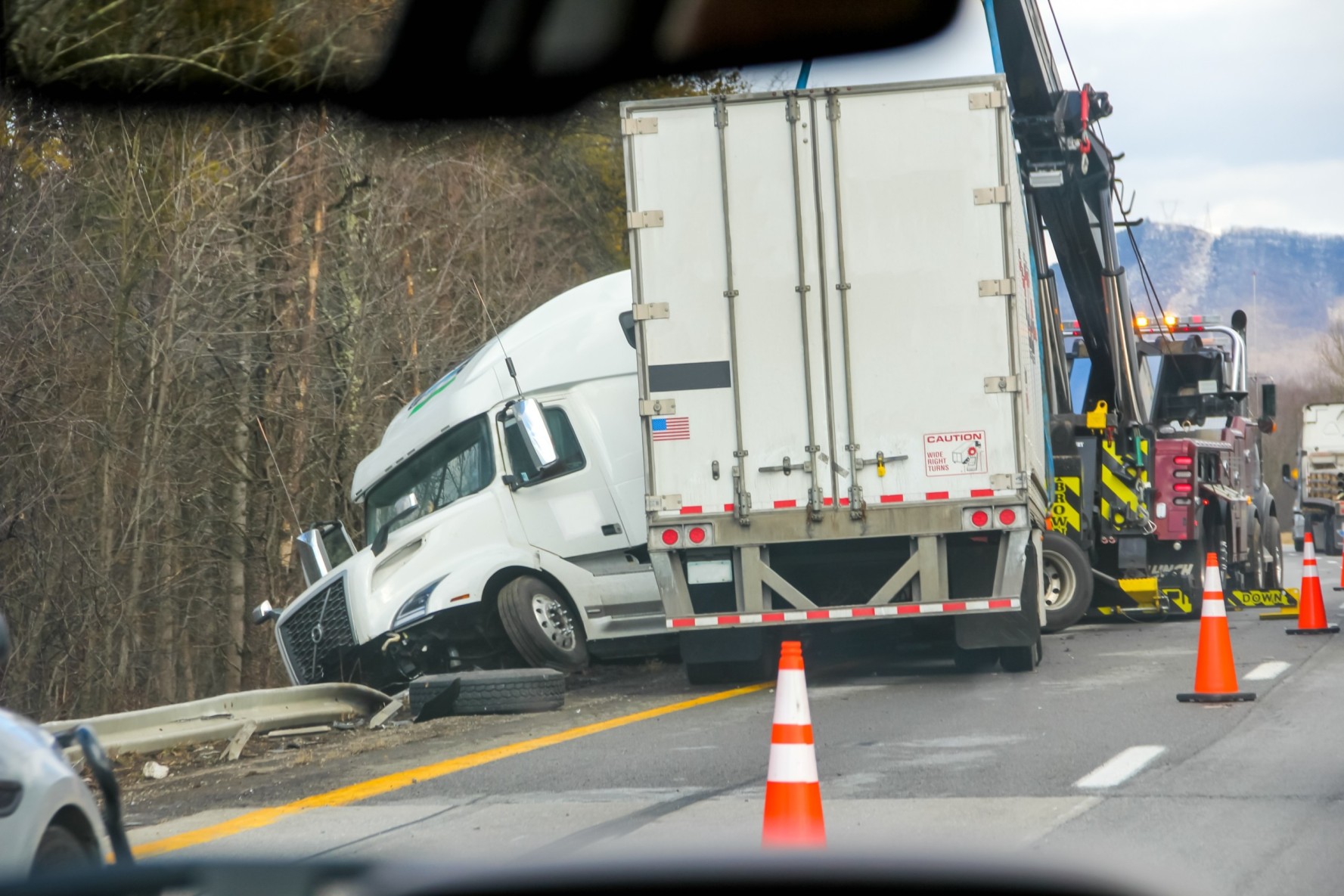
Truck accidents are among the most devastating incidents on American roadways. While they may appear similar to standard car accidents at first glance, the reality is that truck accident claims are legally, procedurally, and financially far more complex. For injured victims and their families, understanding these differences is critical to protecting their rights and pursuing fair compensation.
From the size and weight of commercial trucks to the web of regulations governing the trucking industry, truck accident cases require a much deeper level of investigation and legal knowledge than ordinary auto collisions.
The Size and Force of Commercial Trucks Changes Everything
One of the most obvious differences between truck accidents and car accidents is the sheer size of the vehicles involved. A fully loaded commercial truck can weigh up to 80,000 pounds, while the average passenger vehicle weighs around 4,000 pounds.
This disparity dramatically increases the likelihood of severe or catastrophic injuries, including:
- Traumatic brain injuries
- Spinal cord damage and paralysis
- Multiple fractures
- Internal organ injuries
- Fatal injuries
Because the injuries are often life-altering, the financial stakes in truck accident claims are much higher. Medical bills, long-term rehabilitation, lost income, and diminished earning capacity can add up quickly. In many cases, victims also experience lasting pain, emotional distress, and reduced quality of life.
Truck Accident Cases Often Involve More Than Two Parties
Most car accidents involve two drivers and their insurance companies. Truck accidents are different. A commercial truck is part of a business operation, which means liability may extend far beyond the person behind the wheel.
Potentially responsible parties may include:
- The truck driver (for negligent driving, fatigue, distraction, impairment, or speed)
- The trucking company (for hiring practices, training, scheduling, supervision, or policies that encourage unsafe driving)
- The company that owns the trailer (if different from the trucking company)
- A freight broker or shipper (if load planning or instructions contributed to the crash)
- Cargo loading teams (if the load was unbalanced, unsecured, or overweight)
- Maintenance contractors (if brakes, tires, lights, or other systems were improperly inspected or repaired)
- Manufacturers (if a defective part or design issue contributed to the collision)
Each of these entities may have separate insurance coverage and legal counsel. Identifying all responsible parties is essential because it increases the chance of full recovery and prevents blame from being unfairly pushed onto the victim.
Federal and State Trucking Regulations Create Additional Legal Layers
Commercial trucking is heavily regulated at both the federal and state levels. These regulations exist to reduce risk, but when they are violated, they can also provide powerful evidence in an injury claim.
Key areas of regulation include:
- Hours-of-service rules that limit how long a driver can operate without rest
- Driver qualification standards (proper licensing and medical certification)
- Drug and alcohol testing requirements
- Vehicle inspection and maintenance requirements
- Weight limits and cargo securement rules
- Recordkeeping and compliance documentation
In truck accident investigations, attorneys often examine whether the truck driver and company complied with these rules. If they failed to comply, that failure can support a negligence claim.
Driver Fatigue Is a Major Factor in Truck Accidents
Fatigue is one of the most common contributing factors in truck crashes. Even with regulations limiting driving hours, the demands of tight delivery windows and long hauls can lead to drivers pushing beyond safe limits.
Fatigue affects reaction time, decision-making, and alertness. It can be as dangerous as driving under the influence. Some truck accident cases involve:
- Drivers exceeding allowable hours
- Logbook falsification
- Pressure from employers to meet schedules
- Inadequate rest breaks
- Sleep disorders or medical issues not properly monitored
Investigating fatigue requires reviewing logs, dispatch records, fuel receipts, GPS data, and electronic logging device records.
Critical Evidence Can Disappear Quickly
Truck accident cases are evidence-heavy. Unlike typical car accidents, where evidence may be limited to photos and a police report, truck accidents often involve valuable records that can be lost or withheld if not preserved early.
Common examples include:
- Electronic logging device (ELD) data
- Black box / event data recorder information
- Driver qualification files
- Maintenance and inspection records
- Dispatch communications
- GPS and route tracking information
- Cargo documentation and weigh station receipts
- Dash camera or third-party surveillance footage
Because trucking companies often have internal response teams and insurers ready to move immediately after a crash, timing matters. Preserving evidence early can make a major difference in the outcome.
Insurance Coverage Is Larger — and So Is the Fight
Commercial trucking policies often have higher coverage limits than standard auto insurance. That may sound like good news, but it usually comes with a downside: insurers have far more incentive to challenge liability and minimize payouts.
Victims may encounter tactics like:
- Quick settlement offers before the full extent of injuries is known
- Disputes over fault or causation
- Attempts to blame the victim for speeding, lane changes, or “sudden stops”
- Requests for recorded statements designed to weaken the claim
- Delays meant to pressure victims financially
For anyone with serious injuries, accepting an early settlement can be a costly mistake. A proper claim should account for long-term consequences, not just immediate expenses.
Calculating Damages Is More Complicated
Because truck accidents often cause severe injuries, damages calculations must be more detailed. Compensation may include:
- Current and future medical costs
- Rehabilitation, therapy, and assistive devices
- Lost wages and reduced earning capacity
- Home modifications and long-term care needs
- Pain and suffering
- Emotional distress
- Loss of consortium (impact on family relationships)
In catastrophic injury cases, expert testimony (medical, vocational, and economic) is often needed to accurately project future costs and losses.
Why Legal Experience Matters in Truck Accident Claims
The complexity of truck accident cases is exactly why victims often benefit from working with counsel that understands trucking litigation. From analyzing regulations and driver records to identifying multiple liable parties, truck accident claims require a structured approach and a strong strategy.
If you or a loved one is injured, speaking with truck accident lawyers in Lancaster PA can help you understand what evidence matters most, which parties may be responsible, and what a fair recovery should realistically include.
Final Thoughts
Truck accident claims are not just “bigger car accident” cases. They involve complex regulations, multiple parties, large insurance policies, and high-stakes injuries. The earlier an investigation begins, the better the chances of preserving evidence and building a strong claim.
For victims, the goal is simple: recover physically, protect their financial future, and pursue accountability where it belongs. Understanding the unique challenges of truck accident cases is the first step toward making informed decisions after a serious crash.