
Wrong-Way Driving on Divided Streets in Kansas City: What Happens Next
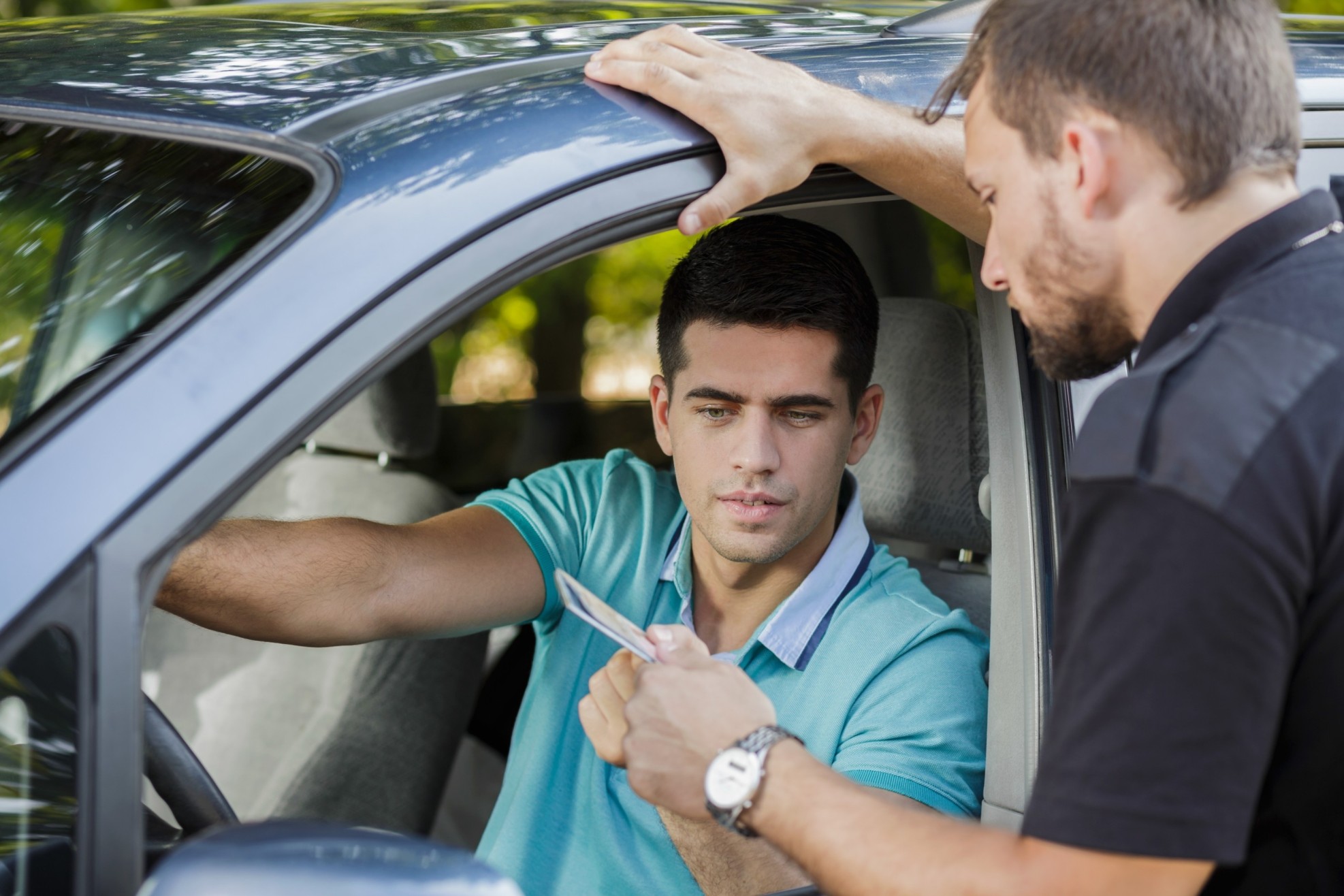
Most drivers would never think they could end up driving in the wrong direction. Driving the wrong way may seem crazy, but in Kansas City, it often happens due to confusion, odd road designs, blinding lights at night, or just plain mistakes. You could be lost and take a wrong turn at an intersection, have a lagging GPS, have distractions like kids, and before you know it, the signs don’t make sense.
When you make that mistake on a divided road, it becomes much worse because most divided roads have higher speed limits. Some of these roads include North Oak and Troost, or some are side roads around downtown where the lanes are split unusually. Drivers will be surprised to learn that there are actually many divided roads in Kansas City, and some of them have signs that are not very noticeable.
The feeling of shock will hit you almost immediately. Your stomach will drop, your hands will grip the steering wheel tighter, and your mind will race to the worst-case possibilities. Then the questions come: what happens now? Will I get a ticket? Am I going to be in trouble?
This article breaks down how officers handle wrong-way driving, what happens after a stop, and how a Missouri traffic lawyer, including those on the team at Speeding Ticket KC, can help drivers who wind up facing one of the most stressful traffic charges out there.
How drivers end up going the wrong way—more common than people admit
If you’ve never done it, it seems impossible. But anyone who’s driven late, tired, or distracted knows how fast things can get weird. Wrong-way driving isn’t always a dramatic act. Sometimes it’s small.
A few common scenarios:
- You turn left onto a split road and miss the median.
- A construction zone shifts traffic, and the cones don’t make sense.
- Night glare hides arrows or lane markers.
- GPS maps lag or reroute mid-turn.
- A wide intersection makes both sides look “right.”
People don’t talk about these cases because they feel embarrassed. But officers know they happen. They see them all the time, especially at night.
What officers look for during a wrong-way stop
Once an officer spots a car going the wrong way, things move fast. Their main goal is safety because wrong-way crashes can be severe. So the stop usually feels urgent.
During the stop, the officer checks for:
- Driver awareness — Are you alert or confused?
- Signs of impairment — Slurred speech, slow reactions, or alcohol odor.
- Vehicle damage — Scrapes or dents that suggest earlier mistakes.
- Possible medical issues — Some drivers are disoriented due to health concerns.
- Road conditions — Did construction or signs contribute to the error?
This doesn’t mean the officer thinks you’re drunk or careless. They just check every angle because wrong-way incidents can be dangerous.
Honestly, some officers come into the stop with assumptions. A wrong-way turn sets off alarm bells for them. You might be fine, but you’re already starting from a tense spot. That’s why people often struggle through these stops—they’re nervous before they even roll down the window.
How Kansas City treats wrong-way driving on divided streets
Wrong-way driving falls under traffic laws that cover unsafe turns, improper entry on divided streets, or careless driving. It can also fall under more serious charges if the officer believes the act posed a real danger.
A typical citation may include:
- Wrong way on a divided street
- Failure to obey a traffic sign
- Careless and imprudent driving
- Speed-related charges if fast movement was involved
The more risk the officer notices, the harsher the charge tends to be. If your wrong-way movement forces another driver to swerve, for example, the charge usually gets heavier.
Kansas City courts don’t view these tickets lightly. They carry higher fines and sometimes more points than simple speeding. For some drivers—especially CDL drivers—points from a wrong-way incident can cause job trouble.
That’s why this is one of those tickets people don’t want to deal with alone.
Why drivers fight wrong-way charges instead of pleading guilty
Some drivers plead guilty right away because they want the stress gone. But later, they realize the bigger issues that come with these tickets.
Wrong-way driving charges can lead to:
- Higher insurance rates
- More points on your record
- Required driving classes
- Possible license issues
- Employer concerns (especially for commercial or government drivers)
Many drivers fight the charge because the context matters. Road design matters. Lighting matters. Sign placement matters. And officers don’t always consider these details in the moment.
The team at Speeding Ticket KC sees this a lot. They break down every factor around the stop and fight charges that don’t match the real situation.
A slight digression: Kansas City streets can be confusing
Anyone who’s driven around the Plaza at night knows how easy it is to lose track of where the medians start. Drive near the old West Bottoms, and you’ll find strange one-way stretches that twist without warning. Even locals sometimes mess up these turns.
I’ve watched people follow GPS directions that beep late or spin the route right as the driver reaches the intersection. That little delay is enough to put you on the wrong side of a divider.
And then there’s construction. Kansas City has long stretches of orange barrels that move every week. It’s not shocking that mistakes happen.
What happens right after the wrong-way stop
Once the officer finishes checking your info, they run through their questions. They may ask things like:
- “Did you realize you were going the wrong way?”
- “Were you following GPS?”
- “Did anyone wave or honk at you?”
It might feel like an interrogation, but they’re collecting facts.
After that, you’ll likely face one of three outcomes:
- A warning — This happens when the mistake is obvious and harmless.
- A citation — The most common outcome.
- Multiple citations — If the officer saw extra risk or signs of impairment.
If things escalated due to misunderstanding or nerves, the situation might feel worse than it should. Officers sometimes layer charges, and that’s where a lawyer steps in later.
How a Missouri traffic lawyer builds a defense
A strong defense focuses on context. Wrong-way driving rarely stands alone. Something caused the moment.
A lawyer may build the case around:
- Poor road signs
- Confusing lane arrows
- GPS misdirection
- Dark or rainy conditions
- Temporary construction shifts
- You corrected the mistake quickly
- No real danger occurred
- The officer misread the situation
Speeding Ticket KC – trusted Kansas City traffic defense lawyers often check Google Street View, dashcam videos, and construction maps. Small details change the whole story.
A lawyer can also reduce the point impact or negotiate a non-moving charge. This helps drivers avoid higher insurance costs.
Wrong-way charges often feel heavy, but the outcome depends on how the case is handled—not just the stop itself.
What to do if you ever find yourself going the wrong way
If you realize you’re going the wrong way, stay calm. Quick panic often makes it worse.
Here’s a simple approach:
- Slow down.
- Look for a safe exit from a driveway or parking lot.
- Avoid sudden turns that cross traffic.
- Turn on your flashers if needed.
- Rejoin the correct side when safe.
Most drivers fix the mistake in seconds. The trouble starts if an officer sees it.
If you do get stopped, keep your hands still and be honest about what happened. Don’t joke about it. Don’t explain too much. Let the officer lead the conversation.
FAQ: Wrong-Way Driving in Kansas City
1. Is wrong-way driving always treated as a serious offense?
Not always. A simple wrong turn may lead to a basic citation. But if the officer believes you created danger, the charge escalates. A Missouri traffic lawyer can explain how your specific case fits into local rules.
2. Can wrong-way driving lead to a careless driving charge?
Yes. Officers often add a careless driving charge when the wrong-way movement appears unsafe. Speeding Ticket KC can fight charges that don’t match the facts or the level of risk involved.
3. Will a wrong-way ticket raise my insurance?
It often does. Insurers see wrong-way driving as a significant sign of risk. Avoiding points or switching the charge to a non-moving violation helps protect your rates.
4. Can GPS errors help my case?
Yes. GPS confusion is common, and lawyers sometimes use it as part of the defense. If the app rerouted late or showed unclear directions, that context matters.
5. Do I need a lawyer for a wrong-way ticket?
You don’t have to hire one, but most drivers do. Wrong-way charges carry more weight than regular tickets, and courts take them seriously. Speeding Ticket KC handles these cases often and can help reduce or dismiss the charge.