
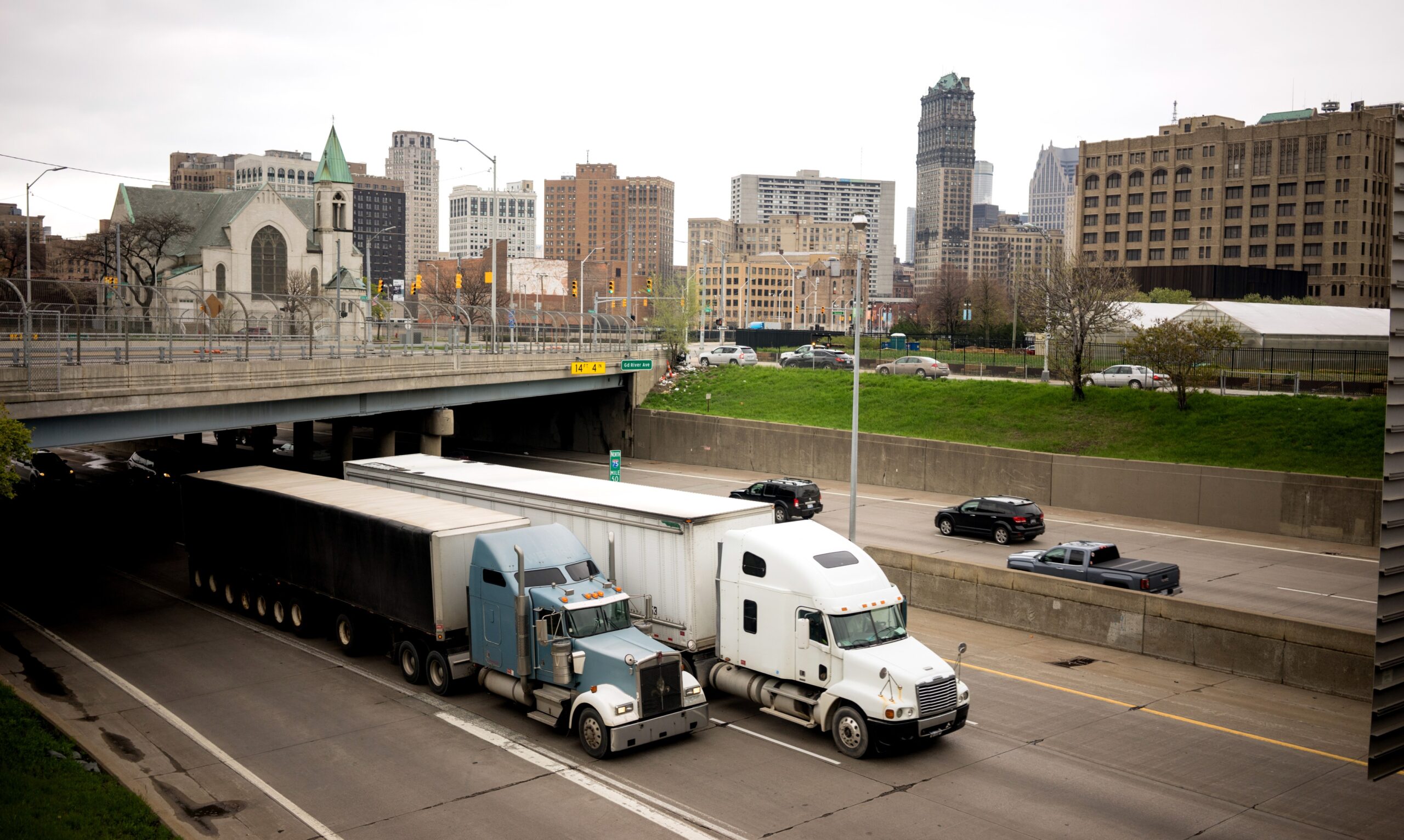
A serious truck crash can change your finances almost overnight. Medical bills may start piling up while you are missing work, dealing with pain, or trying to figure out how you will manage the weeks and months ahead. If the crash happened in Detroit, you may also be dealing with a trucking company and its insurer, both of which have a strong reason to limit what they pay.
The amount you recover depends on more than the damage to your vehicle. It can depend on who caused the crash, how serious your injuries are, what evidence exists, and how the accident affects your ability to work and live normally.
A truck accident attorney can help bring those pieces together and build a claim that reflects the full impact of the collision rather that whatever the insurance company offers. Here are some of the main ways that can happen.
1. Investigating Every Potentially Responsible Party
Truck accidents can involve more than one responsible party. The driver may have been speeding, distracted, impaired, or fatigued, while the trucking company could have failed to properly train or supervise the driver. A maintenance company or another party may also have played a role.
A truck accident lawyer can investigate the crash beyond what is immediately visible at the scene. This may include reviewing the police report, witness statements, driver records, company policies, maintenance documents, and available vehicle data. Federal trucking rules can also provide useful evidence when determining whether safety requirements were followed.
Identifying every potentially responsible party matters because the value of a claim can depend on how liability is established. A thorough investigation gives the injured person a stronger basis for seeking compensation for the full extent of their losses.
2. Preserving Evidence Before It Is Lost
Evidence can disappear long before the legal deadline for filing a lawsuit arrives. Commercial trucking companies maintain records that can help explain what happened before a crash. These may include electronic logging information, maintenance records, inspection reports, cargo documentation, and onboard event recorder data. Some records have limited retention periods, after which the trucking company can alter or delete the records, making early investigation especially important.
According to a detailed guide by Flood Law, a truck accident attorney in Detroit may need to act quickly to help preserve critical evidence such as electronic logging data, maintenance records, and onboard event recorder data before they disappear. This can include sending a preservation letter to the trucking company asking that relevant records be retained. Taking this step early can be especially useful when routine retention practices could result in important information being deleted or overwritten.
The general Michigan statute of limitations for personal injury actions is three years, but that does not mean you have three years to start gathering evidence. In practice, protecting evidence early can be just as important as knowing the final filing deadline.
3. Building a Claim Around Your Full Losses
One of the biggest mistakes in an injury claim is looking only at the bills that have already arrived. A serious truck crash can result in emergency treatment, surgery, rehabilitation, medication, follow-up care, and other medical expenses. If the injury affects your ability to work, the financial impact can extend beyond the paychecks you have already missed.
Medical bills, lost income, reduced earning capacity, pain and emotional distress, and future rehabilitation and care are among the damages that may be reimbursed in a serious truck accident claim.
This is where a truck accident lawyer can help connect the evidence to the losses being claimed. Medical records can document the injury, while employment records can show lost wages. In more serious cases, information about future treatment or changes in earning capacity may also be needed.
The goal is to create a claim that reflects the actual impact of the crash rather than simply adding up today’s receipts.
4. Challenging a Low Insurance Offer
An insurance company may make an early settlement offer before you fully understand how your injuries will affect you. That can be difficult when you are dealing with medical appointments, missed work, and the stress that follows a major collision. An offer may look helpful at first, especially when bills are already arriving, but accepting it generally means giving up the right to pursue additional compensation for the same claim.
A truck accident lawyer can review the insurer’s offer and compare it with the evidence supporting your losses. If important medical expenses, lost income, future care, or other damages have been left out, those issues can be raised during negotiations.
The strongest response to a low offer is usually evidence, not simply a demand for more money. Documentation gives the negotiation a reason to move.
5. Prepare the Case for Trial
Many truck accident claims are resolved through negotiation. But when insurance companies start acting in bad faith, preparing a case as though it could eventually go to trial can compel the defendant to act more reasonably.
This matters because commercial trucking cases can involve corporate defendants, federal regulations, commercial insurance policies, and several potentially responsible parties that may try to shift blame and wear down the victim’s patience.
A truck accident lawyer who prepares thoroughly can also give the injured person a clearer idea of the strengths and weaknesses of the claim. That can make it easier to decide whether an offer is reasonable or whether further negotiations may be appropriate.
Final Thoughts
Maximizing a truck accident settlement is largely about making sure the claim reflects the full consequences of the crash. That means having a truck accident lawyer investigating every potentially responsible party, preserving evidence, documenting current and future losses, responding carefully to insurers, and preparing the case thoroughly.
The strongest claims are usually built on evidence gathered early and damages that have been fully documented. Getting the process started sooner can give an injured person a better opportunity to protect important evidence and understand what fair compensation may look like.