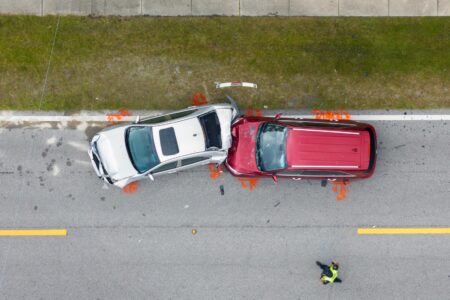

Commercial trucks in Florida generally follow the same posted speed limits as passenger vehicles unless a roadway has a specific restriction. However, truck drivers must also reduce their speed whenever weather, traffic, or road conditions make it unsafe to travel at the posted limit. Because of their size and weight, trucks need more time to stop and react, making safe speeds essential.
Understanding commercial truck speed limits is important for everyone who shares the road. Large trucks carry heavy loads, travel long distances, and require much more space to brake than smaller vehicles. Knowing how Florida’s speed laws apply can help prevent accidents and improve roadway safety.
Do Commercial Trucks Have Different Speed Limits?
Unlike some states, Florida does not generally assign lower speed limits specifically for commercial trucks. Instead, truck drivers usually follow the same posted limits as other motorists.
Typical speed limits include the following:
- Up to 70 mph on many interstate highways
- 65 mph on rural highways
- 55 mph or lower on urban roads
- Reduced speeds in school zones and construction areas
Drivers should always obey posted signs because speed limits may vary depending on the roadway.
Safe Speed Depends on Driving Conditions
Following the posted speed limit is not always enough.
Commercial truck drivers are expected to slow down whenever conditions become hazardous, including
- Heavy rain
- Dense fog
- Heavy traffic
- Construction zones
- Sharp curves
- Low visibility
Florida experiences frequent afternoon thunderstorms that can quickly make highways slippery. Under Florida Statutes § 316.183, every driver must operate at a speed that is reasonable and prudent for existing conditions, even if that means driving below the posted speed limit.
Why Speed Matters for Commercial Trucks
Commercial trucks can weigh up to 80,000 pounds when fully loaded.
Because of their weight, speeding increases the risk of:
- Longer stopping distances
- Jackknife crashes
- Rollovers
- Cargo movement
- Serious injuries during collisions
Even a small increase in speed can make it much harder for a truck driver to avoid a crash.
Stopping Distance Is Much Longer
A passenger car can stop much faster than a fully loaded tractor-trailer.
Stopping distance depends on several factors, including:
- Vehicle weight
- Brake condition
- Tire condition
- Road surface
- Driver reaction time
- Weather
For this reason, truck drivers are trained to leave more space between their vehicle and the traffic ahead.
What Happens if a Truck Driver Speeds?
Speeding can have consequences beyond receiving a traffic ticket.
A commercial driver may face the following:
- Traffic citations
- Higher insurance premiums
- Points on a commercial driver’s license
- Employer discipline
- Increased liability if a crash occurs
If excessive speed contributes to an accident, it can become important evidence during an insurance claim or personal injury lawsuit.
How Speed Is Investigated After a Crash
Following a commercial truck accident, investigators often determine whether speed contributed to the collision.
Evidence may include:
- Electronic Control Module (ECM) data
- Electronic Logging Device (ELD) records
- Dash camera footage
- Police reports
- Witness statements
- Skid marks
- Accident reconstruction analysis
This information helps investigators understand how the collision occurred and whether the truck was being operated safely.
Safety Is a Shared Responsibility
Truck drivers are expected to operate safely, but passenger vehicle drivers also play a role in preventing accidents.
Drivers should:
- Avoid cutting in front of trucks.
- Stay out of truck blind spots.
- Leave enough space when passing.
- Give trucks extra room to stop.
- Be patient during poor weather and heavy traffic.
Simple driving habits can reduce the likelihood of serious collisions.
Key Takeaways
- Commercial trucks generally follow the same posted speed limits as passenger vehicles in Florida.
- Truck drivers must slow down when weather or road conditions make the posted limit unsafe.
- Florida Statutes § 316.183 requires drivers to travel at a speed that is reasonable and prudent for existing conditions.
- Heavy trucks require much longer stopping distances than passenger vehicles.
- Speeding can increase liability, insurance costs, and the severity of truck accidents.
- Investigators often use electronic truck data and crash evidence to determine whether speed contributed to a collision.
- Safe driving by both truck drivers and passenger vehicle operators helps reduce crashes on Florida roads.