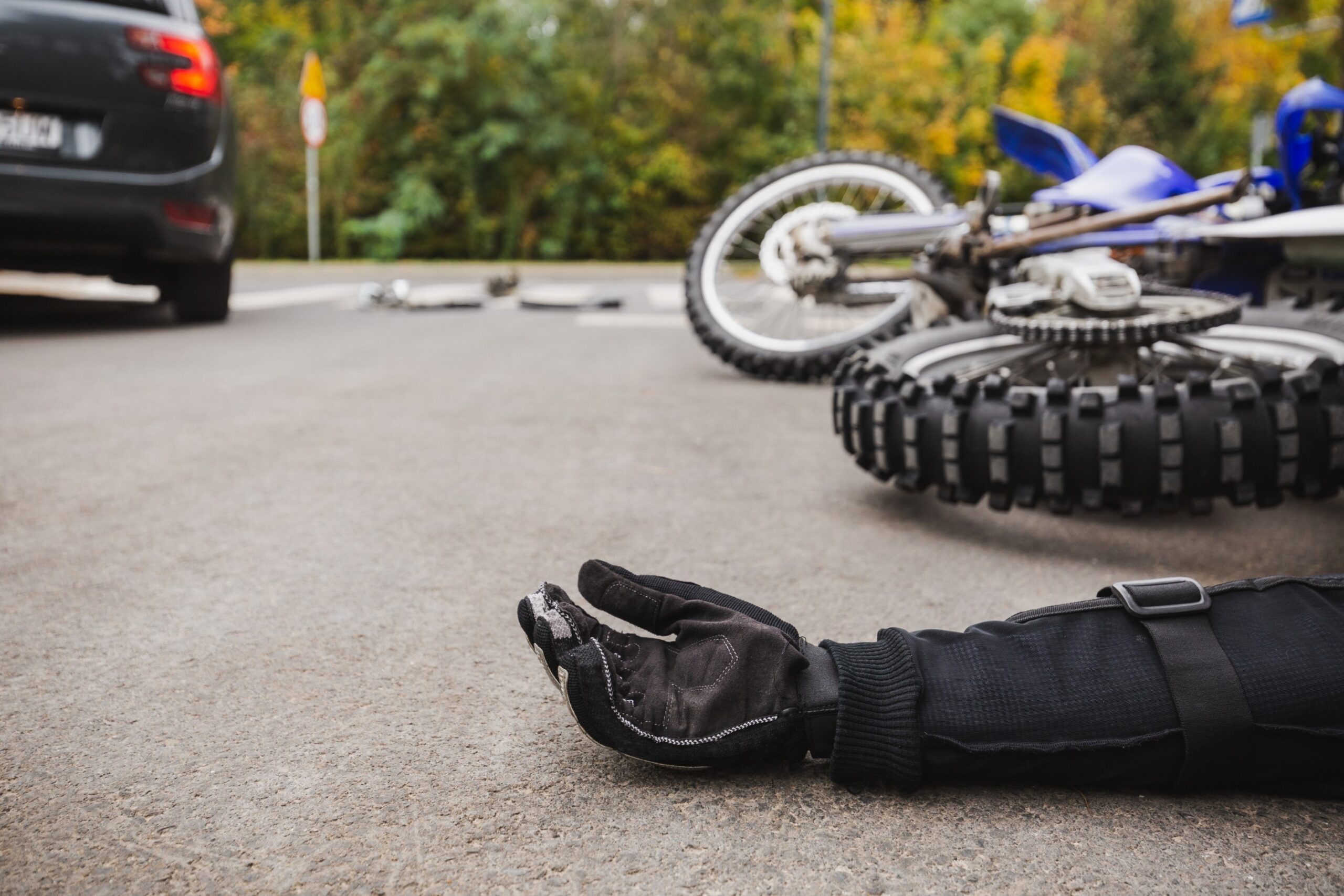
Motorcycle accidents occur more often than many riders realize, and they account for a disproportionate share of serious traffic injuries and fatalities compared to other types of vehicles. While motorcycles make up a relatively small percentage of vehicles on the road, riders face greater risks because they have less physical protection during a crash.
Understanding how and why these accidents happen can help riders make safer decisions every time they get on the road. If you’ve wondered, “What percentage of motorcycle riders get into accidents?”, there is no fixed percentage because accident rates vary by location, riding experience, road conditions, and other factors.
However, traffic safety data consistently shows that motorcyclists are significantly more likely than occupants of passenger vehicles to suffer serious injuries or die in a crash, making defensive riding and proper safety practices especially important.
Why Are Motorcycle Accidents More Common?
Motorcycles are smaller and less visible than cars and trucks, making them easier for other drivers to overlook.
Unlike passenger vehicles, motorcycles also provide little protection during a collision. Even a relatively low-speed crash can result in serious injuries.
Several factors contribute to motorcycle accidents, including:
- Driver inattention
- Speeding
- Unsafe lane changes
- Left-turn collisions
- Poor road conditions
- Distracted driving
Many crashes happen because another driver fails to see an approaching motorcycle.
Common Types of Motorcycle Accidents
Motorcycle crashes happen in many different ways, but certain scenarios occur more frequently.
Left-Turn Accidents
One of the most common motorcycle crashes occurs when a vehicle turns left in front of an oncoming motorcycle.
Drivers may misjudge the motorcycle’s speed or fail to notice it altogether, leaving the rider with little time to react.
Rear-End Collisions
Motorcyclists can also be struck from behind, especially at intersections or in heavy traffic.
Even a low-speed rear-end collision can throw a rider from the motorcycle.
Lane Change Accidents
Drivers sometimes change lanes without checking their blind spots carefully.
Because motorcycles are smaller than passenger vehicles, they may be hidden from view until it’s too late.
Single-Vehicle Crashes
Not every motorcycle accident involves another vehicle.
Single-bike crashes may result from:
- Gravel or loose pavement
- Sharp curves
- Wet roads
- Excessive speed
- Mechanical failures
Proper training and experience can reduce the likelihood of these crashes.
Factors That Increase Accident Risk
Although any rider can be involved in an accident, certain conditions increase the chances of a crash.
These include:
- Riding at excessive speeds
- Alcohol or drug impairment
- Inexperience
- Poor weather
- Nighttime riding
- Failure to wear protective gear
Recognizing these risks allows riders to make safer choices before every trip.
The Importance of Protective Gear
Protective equipment cannot prevent every injury, but it can reduce the severity of many crashes.
Recommended safety gear includes:
- DOT-approved helmet
- Eye protection
- Protective jacket
- Riding gloves
- Durable pants
- Over-the-ankle boots
Wearing high-visibility clothing may also make riders easier for other motorists to see.
Defensive Riding Makes a Difference
Experienced riders often assume other drivers may not notice them.
Defensive riding techniques include:
- Maintaining a safe following distance
- Watching for turning vehicles
- Staying out of blind spots
- Reducing speed in high-risk areas
- Anticipating unexpected driver behavior
These habits give riders more time to react when hazards appear.
What the Law Says
Motorcycle laws vary from state to state, but all riders must follow traffic regulations just like other motorists.
For example, California Vehicle Code § 27803 requires most motorcycle riders and passengers to wear a properly fitted safety helmet that meets established safety standards. Helmet laws, licensing requirements, and equipment regulations are designed to improve rider safety and reduce the severity of injuries during accidents.
Regardless of where you ride, following applicable traffic laws is an important part of reducing crash risks.
What to Do After a Motorcycle Accident
If you’re involved in a motorcycle accident, your safety should come first.
After a crash:
- Move to a safe location if possible.
- Call 911.
- Seek immediate medical attention.
- Exchange information with other drivers.
- Take photographs of the accident scene.
- Obtain witness contact information.
- Report the accident to your insurance company.
Even if injuries seem minor, a medical evaluation is important because some conditions may not appear immediately.
Safe Habits Can Reduce Risk
Although motorcycle accidents remain a concern, many crashes can be prevented through responsible riding and increased awareness from both riders and other motorists.
Proper training, regular motorcycle maintenance, defensive riding, and wearing appropriate protective gear all contribute to safer travel. Drivers can also help by checking mirrors carefully, using turn signals, and watching for motorcycles before changing lanes or making turns.
Key Takeaways
- Motorcycle accidents occur frequently and often result in more serious injuries than passenger vehicle crashes.
- Riders face greater risks because motorcycles provide less physical protection.
- Left-turn collisions, lane changes, and rear-end crashes are among the most common accident types.
- Speeding, distracted driving, poor weather, and inexperience can increase crash risk.
- Wearing protective gear, especially a DOT-approved helmet, can reduce injury severity.
- Defensive riding helps motorcyclists avoid many common hazards.
- California Vehicle Code § 27803 requires most motorcycle riders and passengers to wear approved helmets.
- Safe riding habits and increased awareness from all road users can help reduce motorcycle accidents and improve roadway safety.