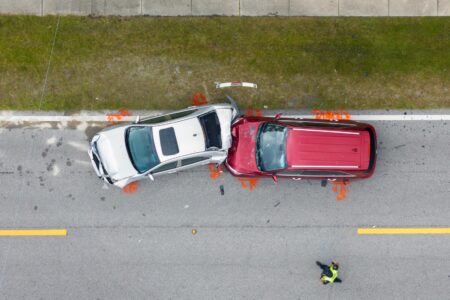
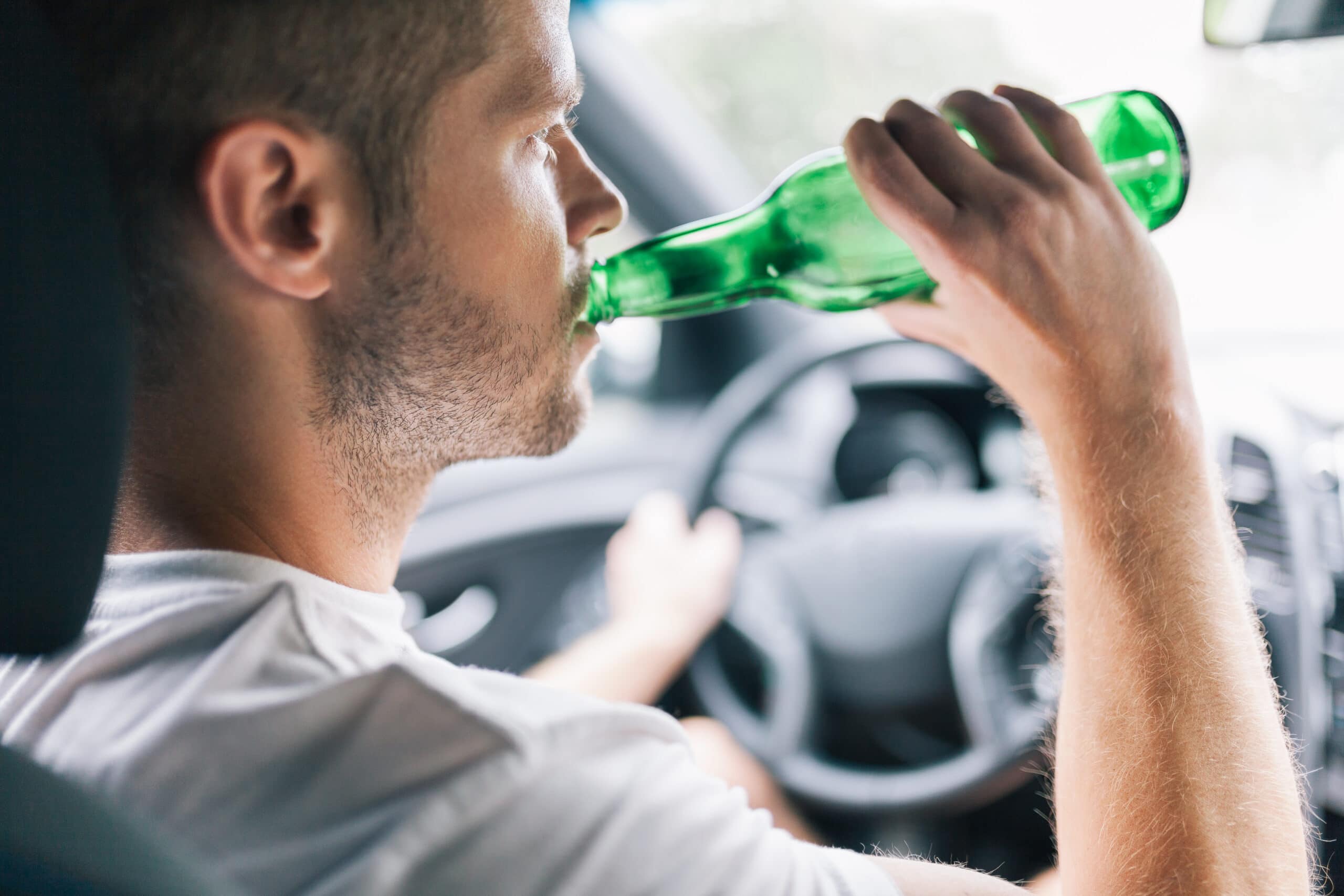
Being hit by a drunk driver can leave you dealing with painful injuries, emotional trauma, and unexpected financial stress. The most important steps are to get immediate medical care, report the crash to the police, collect proof, and avoid making quick decisions about insurance or settlements. Taking the right actions early can protect both your health and your legal rights.
Unlike many other traffic collisions, DUI accidents often involve both criminal proceedings against the impaired driver and a separate civil claim for compensation. While the criminal case focuses on holding the driver accountable, your civil claim is what helps recover damages for medical bills, lost income, and other losses.
1. Get Medical Attention Immediately
Your health should always come first.
Even if your injuries seem minor, seek medical evaluation as soon as possible. Drunk-driving crashes often cause injuries that are not immediately obvious, including the following:
- Concussions
- Internal bleeding
- Soft-tissue injuries
- Spinal injuries
Prompt treatment not only protects your health but also creates medical records that clearly connect your injuries to the accident.
2. Call the Police
Always report a suspected drunk-driving crash.
A police report may include:
- The officer’s observations
- Signs of intoxication
- Witness statements
- Field sobriety or chemical test results
- Citations or criminal charges
This documentation can become valuable evidence during both the criminal investigation and your personal injury claim.
3. Gather Evidence While You Can
If you’re physically able and it’s safe to do so, collect as much evidence as possible before the scene changes.
Useful evidence includes:
- Photos of all vehicles
- Road conditions and traffic signs
- Skid marks and debris
- Visible injuries
- Witness names and contact details
The sooner evidence is preserved, the stronger your case may become.
4. Don’t Assume the Criminal Case Covers Everything
Many people believe a DUI conviction automatically compensates victims. It doesn’t.
The criminal case is designed to punish the impaired driver. Recovering compensation for medical expenses, lost wages, property damage, pain and suffering, and other losses usually requires a separate insurance claim or civil lawsuit.
5. Be Careful When Speaking With Insurance Companies
Insurance adjusters often contact accident victims soon after the collision.
When speaking with them:
- Stick to the facts
- Avoid guessing about fault
- Don’t minimize your injuries
- Never accept a quick settlement before understanding the full extent of your damages
Early statements can later be used to dispute your claim.
6. Keep Detailed Records of Your Losses
Strong documentation often makes a significant difference in a personal injury claim.
Keep copies of:
- Medical records and bills
- Prescription expenses
- Repair estimates
- Missed work records
- Receipts for out-of-pocket expenses
- Notes describing pain and recovery
These records help demonstrate how the accident affected your finances and daily life.
How DUI Cases Can Affect Your Injury Claim
Building a successful injury claim depends on clear evidence rather than assumptions. The supporting evidence must establish both the extent of your injuries and the losses you suffered.
Federal law also supports broader roadway safety. 49 U.S.C. § 30101 establishes the national framework for motor vehicle safety standards aimed at reducing crashes and preventing injuries.
While compensation in DUI cases is generally governed by state personal injury laws, 42 U.S.C. § 1981 demonstrates the broader legal principle that individuals may pursue civil remedies when legal rights have been violated.
Final Takeaways
- Seek medical care immediately, even for seemingly minor injuries.
- Report the crash and obtain a police report.
- Collect photos, witness information, and other evidence whenever possible.
- Remember that criminal DUI charges are separate from your injury claim.
- Be cautious when speaking with insurance companies.
- Keep detailed records of every expense and loss.