ATV and UTV Accident Claims and Liability Laws Explained for 2026 – Guest Post
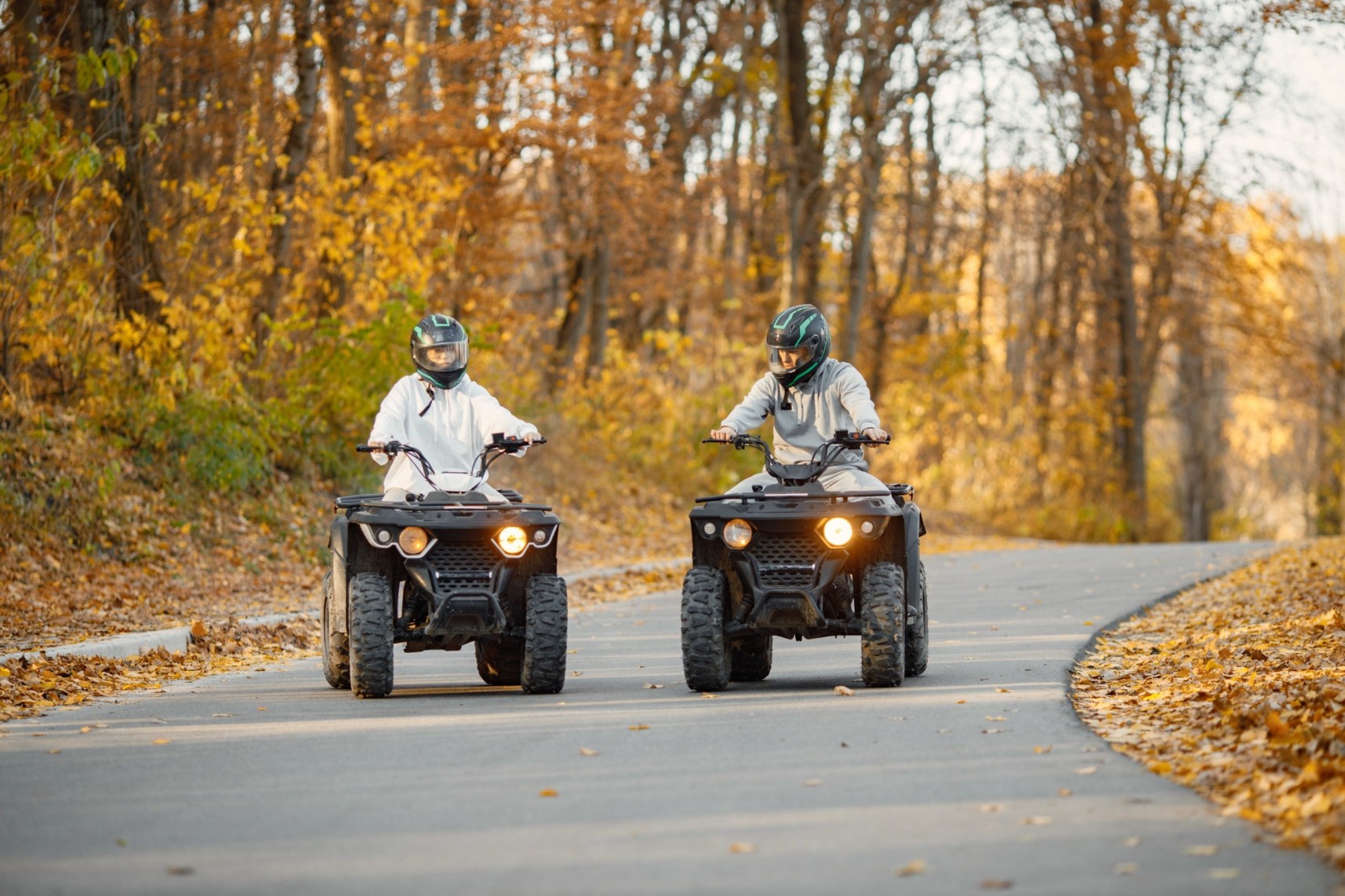
ATV and UTV accidents can leave you facing serious injuries, confusing insurance questions, and mounting bills, especially as laws and coverage rules shift in 2026. You may not know who is truly responsible: the driver, the owner, the property operator, or a manufacturer who cut corners on safety. Dixon Injury Law focuses on sorting out that confusion quickly so you can focus on healing, not paperwork. With strategic investigation and tough negotiation, they work to turn a chaotic off?road crash into a clear legal claim. If you feel overwhelmed or unsure what your rights are, this is exactly when having an experienced ATV and UTV accident attorney becomes critical.
What causes most ATV and UTV accidents in off-road environments
Most ATV & UTV Accidents are caused by a mix of speed, inexperience, and unsafe trail conditions. Riders often underestimate how unstable these vehicles can become on loose gravel, steep hills, or muddy ruts. Alcohol, poor visibility, and lack of helmets or restraints make injuries even worse when something goes wrong. Dixon Injury Law looks at the full picture, not just who was driving, to identify every factor that may support your claim. This careful approach often reveals multiple sources of compensation you might never uncover on your own.
Common risk factors Dixon Injury Law investigates
- Excessive speed or reckless operation by any rider
- Inexperienced operators on powerful machines
- Trails with hidden hazards or missing warning signs
- Poor maintenance by the owner or rental company
- Defective brakes, steering, or safety equipment
How liability is divided between drivers, owners, and manufacturers
Liability in these cases is rarely simple, and that is where Dixon Injury Law becomes essential. The driver may be partly at fault, but the vehicle owner, rental company, or a careless manufacturer can share legal responsibility. Property owners who invite riders onto their land may also be accountable for unsafe conditions. In 2026, insurers are even more aggressive about shifting blame to injured riders to reduce payouts. Having a lawyer who knows how to allocate fault among several parties can significantly increase the value of your case.
Parties who may be legally responsible
- The driver who caused the crash
- The ATV/UTV owner who failed to maintain or supervise use
- Rental companies that skipped inspections or safety briefings
- Property owners who allowed dangerous trails without warnings
- Manufacturers that sold unsafe or defective vehicles
Why unsafe terrain conditions can shift legal responsibility
Trails that look “normal” to riders may actually be legally dangerous if they lack proper design or warnings. Sudden drop-offs, hidden obstacles, washed-out paths, or improperly marked trails can all shift responsibility onto landowners or operators. Dixon Injury Law examines maps, photos, and witness accounts to determine whether the terrain itself was unreasonably hazardous. When they can show that a landowner knew or should have known about a risk, fault may move away from you and toward the party who controlled the property. This often opens access to better insurance coverage and higher compensation.
Hazardous terrain issues they look for
- Unmarked cliffs, ditches, or steep changes in elevation
- Poorly maintained trails with deep ruts or erosion
- Hidden rocks, stumps, or debris in riding paths
- Lack of barriers or warning signs near obvious dangers
- Trails opened to the public without basic safety planning
Key evidence required to prove negligence in recreational vehicle claims
Strong claims are built on evidence, not just memories, and that is where many riders lose ground without legal help. Photos, medical records, vehicle inspections, and witness statements all become critical once insurers start questioning your story. Dixon Injury Law moves quickly to secure and preserve this evidence before it disappears or gets altered. They know what courts and adjusters actually rely on in ATV & UTV Accidents, so they focus only on what will matter. This targeted strategy keeps your case clear, credible, and harder for insurers to dismiss.
Evidence Dixon Injury Law prioritizes
- Scene photos and videos showing terrain, skid marks, and damage
- Medical records linking injuries directly to the crash
- Vehicle inspection reports and maintenance histories
- Statements from witnesses or other riders on the trail
- Incident reports from police, park officials, or property owners
- Helmet cam or GoPro footage, where available
How injury severity impacts compensation calculations in 2026
The more serious your injuries, the more complex the compensation calculations become. In 2026, insurers rely heavily on software and rigid formulas, which often undervalue pain, long-term limitations, and lifestyle changes. Dixon Injury Law pushes beyond those formulas by documenting how your injuries affect work, daily living, and future medical needs. They coordinate with doctors, therapists, and vocational experts to show the full impact of your losses. That detailed proof can significantly increase what you recover compared to accepting the insurer’s first offer.
Damages they work to recover
- Emergency care, surgeries, rehabilitation, and future medical treatment
- Lost wages and reduced future earning capacity
- Pain, suffering, and loss of enjoyment of life
- Costs for mobility aids, modifications, and long-term care
- Wrongful death damages for families in fatal accidents
What insurance coverage applies to ATV and UTV accident cases
Many people are shocked to learn how confusing ATV and UTV coverage can be. Standard auto policies may exclude off?road vehicles, while homeowners or recreational policies may have strict limits and exceptions. Rental agreements often contain hidden clauses that shift blame and costs back to the rider. Dixon Injury Law carefully reviews every possible policy, including the other party’s coverage, to find all available sources of payment. This policy-by-policy review can be the difference between partial help and full financial recovery.
Possible sources of coverage
- Specialty ATV/UTV or recreational vehicle insurance policies
- Homeowners or farm policies covering accidents on private land
- Commercial policies for rental companies or tour operators
- Liability policies held by property or trail owners
- Umbrella policies that increase overall coverage limits
When defective equipment leads to product liability claims
Sometimes the real problem is not the rider or terrain, but a defective machine or safety component. Faulty brakes, unstable designs, weak roll cages, or failed helmets can turn a survivable crash into a life-changing disaster. In those situations, Dixon Injury Law may pursue a product liability claim against the manufacturer or distributor. These cases are technical and expert-driven, but they often unlock higher limits than individual drivers or landowners can provide. By identifying defects early, they can preserve the vehicle and components as key evidence for your case.
Defects that may justify a product claim
- Brake, steering, or throttle failures
- Design flaws that make rollovers more likely
- Weak frames or roll cages that collapse in normal crashes
- Faulty helmets, harnesses, or restraint systems
- Missing or inadequate safety instructions and warnings
If you were injured in an ATV or UTV accident and are unsure where to start, Dixon Injury Law is built to guide you through this exact situation. They investigate the crash, deal directly with insurers, and fight to secure the compensation you actually need, not just what is first offered. Reach out for a consultation and let an experienced ATV and UTV accident team evaluate your rights, your options, and your next steps.