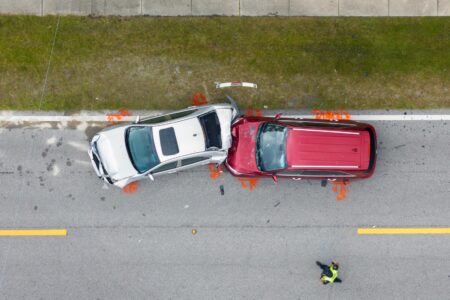
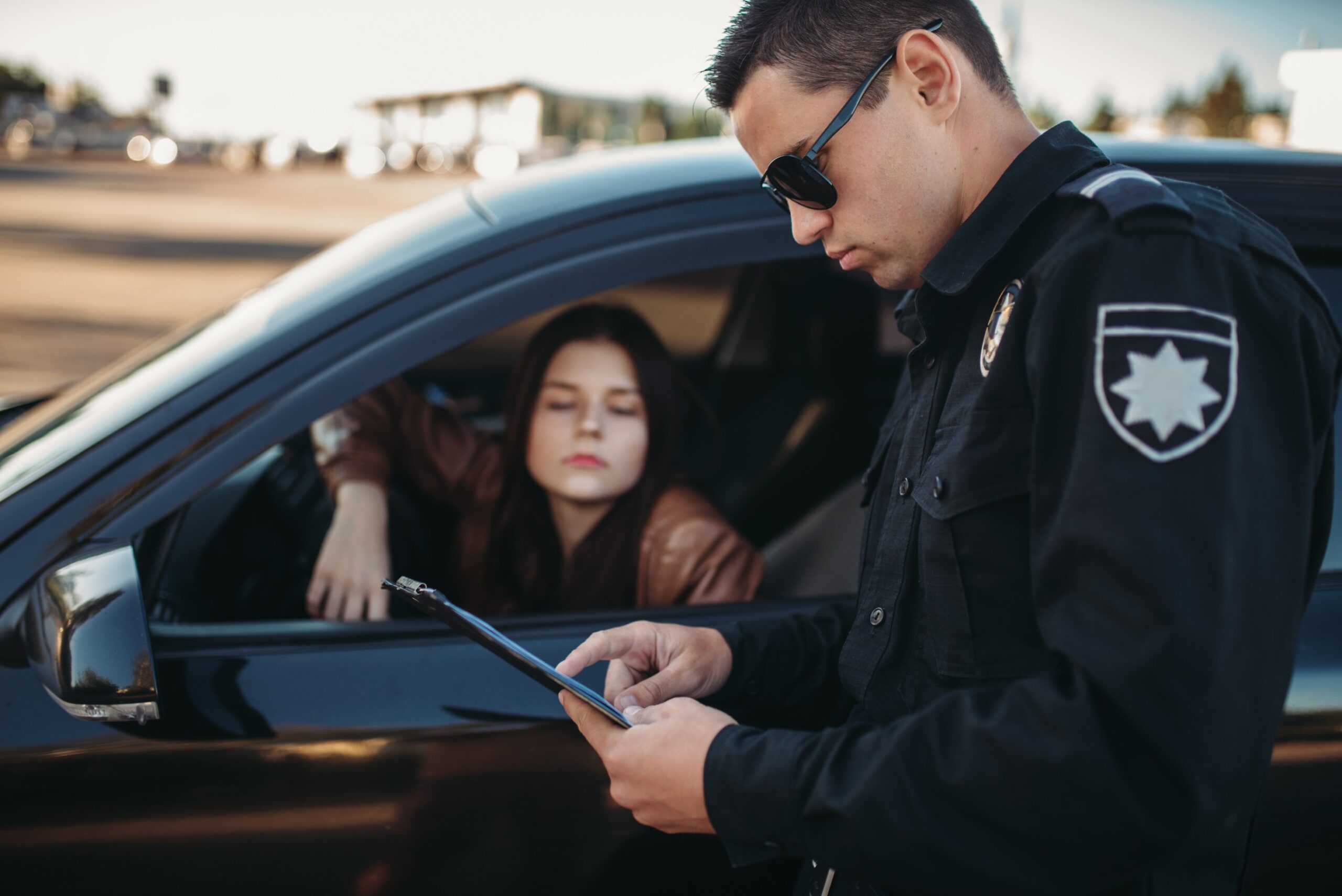
A speeding ticket can cause more issues than a ticket or points on your license. If a traffic accident occurred as a result of the speeding, the citation could also be used in a personal injury suit.
A large number of drivers might think that when they get a ticket, they are automatically liable for somebody else’s injuries, while others feel that a ticket doesn’t affect anything except in traffic court. The actual situation lies somewhere in the middle. Whether a speeding ticket can be used against you will depend on the facts of the accident, the evidence available, and the laws that apply to your case.
A Speeding Ticket Is Important, but It Doesn’t Automatically Decide the Case
While a speeding ticket may be useful evidence if you’ve been in an accident, it is not always a determining factor in who is responsible. A traffic ticket is proof that an officer of the law thought that a traffic law was broken.
The ticket will be part of the evidence in the personal injury case that the driver was negligent. The court will typically consider a lot more than just the citation, however. Other evidence is often important, such as:
- The police crash report
- Dashcam or surveillance footage
- Vehicle damage
- Skid mark measurements
- Event data recorder (black box) information
- Eyewitness testimony
- Accident reconstruction reports
- Cell phone records if distracted driving is suspected
A judge or jury considers all of this evidence together instead of relying on the ticket alone. You should also consult an experienced personal injury lawyer, such as Davies Hothem Injury Law, if you’re from the area, to determine whether a speeding ticket could affect your case.
How a Speeding Ticket Can Strengthen an Injury Claim
If you’re the injured party planning on filing a lawsuit, you will need to prove that the other driver was responsible for the accident and your injuries. A speeding ticket can help support those arguments by providing proof that the driver may have done any of the following:
- Traveled too fast for the road conditions
- Had less time to react to hazards
- Increased the force of impact during the collision
- Violated a traffic law designed to protect other road users
Insurance companies also examine citations in their investigation. A speeding ticket may encourage an insurer to negotiate a settlement earlier if other evidence points to the same conclusion.
A Ticket Can Still Be Challenged
Receiving a speeding ticket does not mean the driver has no defense. The citation may later be dismissed, reduced, or amended depending on the circumstances. Drivers can also challenge how speed was measured or whether the officer correctly identified the vehicle.
Even if the ticket remains on the record, the defense may argue that speeding did not actually cause the crash. For example, another driver may have run a red light, made an unsafe lane change, or failed to yield, making them fully or partially responsible. This is why personal injury cases rarely depend on a single piece of evidence.
What If No Speeding Ticket Was Issued?
The absence of a citation does not prevent an injured person from pursuing compensation. Attorneys may use other evidence to show a driver was traveling too fast, including:
- Vehicle data that records speed before impact
- Security camera footage
- Witness estimates
- Physical damage patterns
- Expert accident reconstruction
Courts can find a driver negligent even if law enforcement chose not to issue a speeding ticket at the scene.
Speeding Plays a Major Role in Serious Crashes
According to the National Highway Traffic Safety Administration (NHTSA), speeding was a contributing factor in 29% of all traffic fatalities in the United States in 2023, resulting in 11,775 deaths. While fatal crashes are different from injury claims, the data highlights why excessive speed is closely examined after serious collisions.
Endnote
If you’re facing a personal injury lawsuit after receiving a speeding ticket, expect the citation to become part of the discussion. It can support the injured person’s claim, but it will not automatically determine the outcome. Courts and insurance companies look at the full picture, including physical evidence, witness statements, expert opinions, and the actions of every driver involved. Whether you received the ticket or were injured by a speeding driver, understanding how traffic citations fit into a civil lawsuit can help you make informed decisions as your case moves forward.