The crash happened in a blink. One driver swears the light was green, the other swears it was red, and the only honest witness may be sitting in someone’s pocket: a phone that logged every tap, swipe, and call.
Distracted driving is deadly and common. In 2024, 3,208 people were killed and more than 315,000 injured in distracted-driving crashes, according to NHTSA. Behind many of those wrecks is a driver who was looking at a screen instead of the road.
That is why cell phone data has become one of the strongest forms of evidence of personal injury in modern cases. When a distracted driving accident comes down to one person’s word against another’s, the digital trail often decides who is telling the truth.
In this post, you’ll learn:
- What kinds of cell phone data will help prove fault
- How attorneys legally obtain phone records
- Whether that data holds up in court
- How digital proof shapes a personal injury settlement calculator estimate and your claim’s value
Why Cell Phone Data Matters in Accident Cases
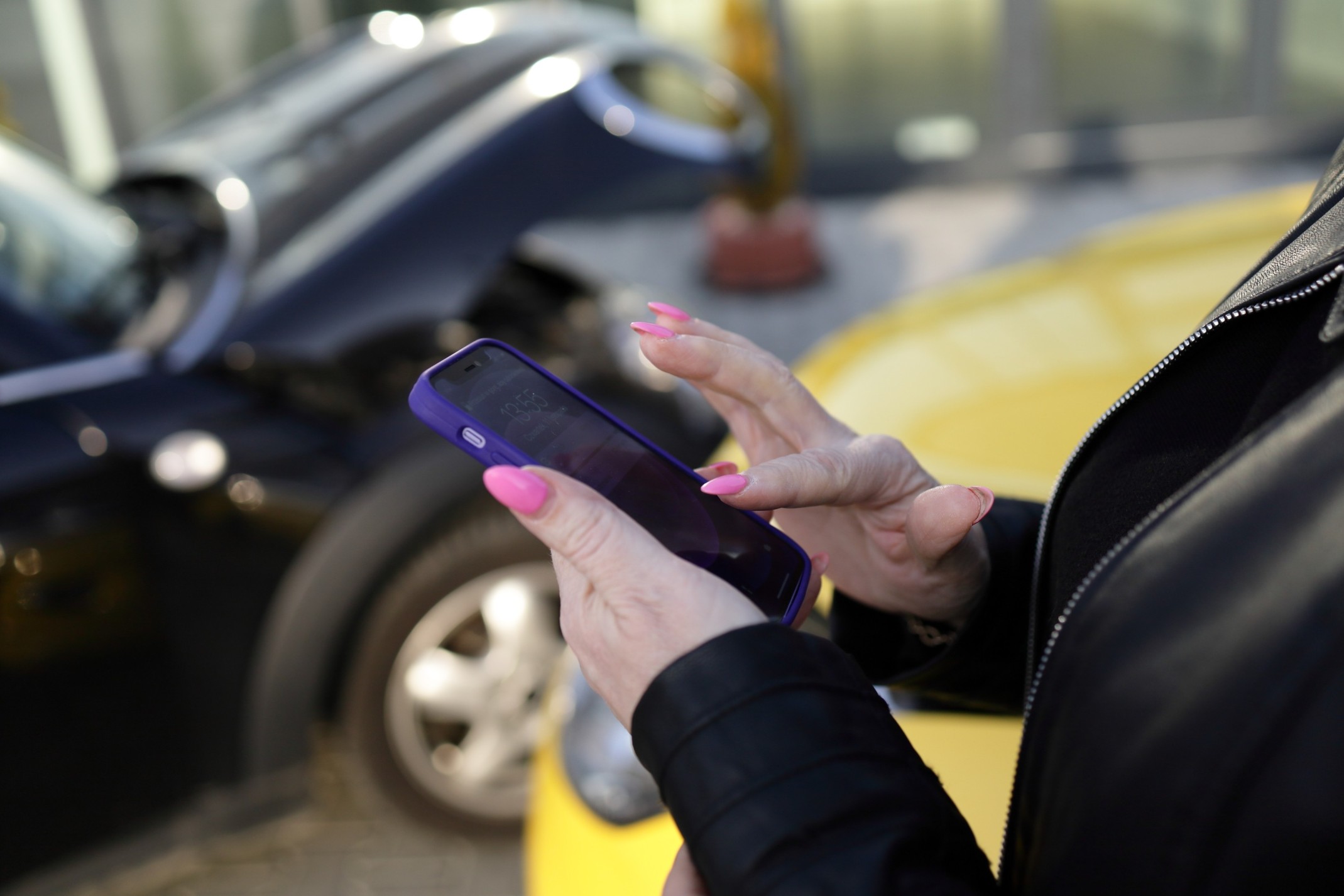
A phone is a witness that never blinks. It logs calls, texts, taps, and location the whole time you drive, building a minute-by-minute record of what the driver was doing when the crash happened.
That record cuts through the he-said-she-said. Cell phone data will confirm or contradict a driver’s story, be lined up against witness statements and police reports, and expose a distracted-driving accident the driver would rather hide.
As proving fault in a car accident relies more on digital evidence, the timeline has become central to the accident investigation process.
Types of Cell Phone Data Used as Evidence
Not all phone data tells the same story. A few distinct types of evidence make up the case built on digital proof, and each reveals a different piece of what the driver was doing.
Call Logs and Text Messages
Call and text records show whether a driver was actively communicating at the moment of impact. Timestamps are what make them powerful, allowing you to line up a sent text or a connected call with the exact second of the crash to prove the driver’s attention was elsewhere.
GPS and Location Data
Location data tracks where a phone was and how fast it was moving in the seconds before a collision. Investigators use it to reconstruct the accident timeline, confirming a driver’s route, speed, and position at the moment everything went wrong.
App Usage Data
Social media, messaging, and navigation apps all leave a footprint with a time attached. A scroll, a tap, or an open app mid-drive shows the driver was engaged with a screen and often reveals a distraction that a simple call log would miss.
Metadata and System Logs
Beneath the obvious activity sit background logs, system events, and hidden timestamps. This more technical forensic evidence may confirm exactly when the screen was active and fill the gaps the visible records leave behind.
How Cell Phone Data Helps Prove Fault
Evidence is only useful if it answers the question of who caused the crash. Cell phone data answers it directly, turning a driver’s own device into the record that settles the dispute.
It establishes distracted driving behavior, showing a text sent or an app opened in the moments before impact. It confirms location and timing, placing the driver at the scene at the exact second of the collision.
It also supports or refutes the witness statements and police reports already on file, making it far harder to dispute fault in a car accident.
How Attorneys Obtain Cell Phone Records
Phone data does not just appear in a case file. Getting it takes the right legal tools, and the route depends on how willing the other side is to cooperate.
Voluntary Disclosure
Sometimes the records come through early, shared during insurance claims or opening negotiations. That cooperation is usually limited, since the opposing party rarely hands over proof that hurts their case.
Subpoenas
When records are disputed or withheld, a subpoena compels production. This court-ordered demand pulls phone logs straight from the carrier, putting the data beyond the reach of a driver hoping to bury it.
Digital Forensic Experts
Some proof sits deeper than a standard record. Forensic experts extract deleted messages and hidden logs, then rebuild the activity timeline showing exactly what the phone was doing during the accident investigation.
Are Cell Phone Records Admissible in Court?
Strong data still has to clear the court’s bar before a jury ever sees it. Admissibility is where a promising record either holds up or falls apart. The records must be authenticated and clearly relevant to the case, with the chain of custody preserved from the carrier to the courtroom.
Courts weigh the reliability of digital data, and phone records rarely stand alone; they work best alongside police reports and video evidence in court that corroborates the same timeline.
Role of Cell Phone Data in Distracted Driving Accidents
Distracted driving is one of the leading causes of crashes in California, and cell phone data is often the only way to prove it happened. A driver will rarely admit to texting, but the phone does not lie.
Drivers with heavy phone distraction are 240% more likely to crash, according to a 2025 GHSA report. California’s texting-while-driving laws make phone use more than dangerous, since evidence of it in a distracted-driving accident raises a driver’s liability and strengthens the case against them.
Limitations of Cell Phone Data as Evidence
Phone data is powerful, but it is not a magic bullet. Knowing its limits is part of building a claim that does not fall apart under scrutiny. The data does not always prove who was holding the phone, and records may have gaps or missing stretches.
Privacy laws and legal restrictions limit what may be pulled and when. That is why phone data works best as part of the evidence in a personal injury claim, paired with witnesses, video, and police reports, rather than standing on its own.
How Cell Phone Data Fits Into the Accident Investigation Process
No single piece of evidence wins a case alone. The accident investigation process weaves cell phone data together with everything else to build one clear account of what happened.
Investigators line the phone records up against physical evidence and crash reconstruction, then layer in witness statements and surveillance footage. The result is a full timeline of events that is hard to dispute, and that strength carries straight into settlement negotiations.
Why Digital Evidence Impacts Settlement Value
Strong evidence changes the math of a settlement. When the phone data clearly shows fault, the other side loses its room to argue, and that leverage shows up in the final number.
Solid proof stops insurance companies from denying liability and pushes them toward a faster, fairer payout. Plug the facts into a personal injury settlement calculator and the gap is clear: a claim backed by hard data is worth far more than one built on testimony alone.
How the Right Attorney Turns Phone Data Into Proof
Cell phone data only helps if someone knows how to get it and use it. Acting fast matters, because records get overwritten and deleted logs grow harder to recover with every passing week.
A skilled attorney builds the digital case by:
- Sending preservation letters before the data disappears
- Subpoenaing carrier records when the other side stonewalls
- Bringing in forensic experts to recover deleted activity
- Tying the phone timeline to witness statements and video
That work turns scattered logs into a clear account of who was distracted and when. With the right guidance, the evidence does the arguing for you, and proving fault in a car accident stops being your word against theirs.
Frequently Asked Questions
Can cell phone data help prove fault in an accident case?
Yes. Call logs, texts, app activity, and location data will place a driver’s attention on a screen at the moment of impact. That proof is often what settles a disputed claim of fault.
How do lawyers get phone records in a car accident case?
Sometimes the records are produced voluntarily during negotiations, but more often a subpoena compels the carrier to hand them over. Forensic experts may recover deleted data when needed.
Is cell phone data admissible in court?
Usually, yes, as long as it is authenticated, relevant, and backed by a clean chain of custody. Courts weigh its reliability and prefer it paired with other evidence.
Can GPS data prove distracted driving?
GPS data shows speed and location, which helps reconstruct the crash, but it does not show screen activity on its own. When paired with app and text records, it builds a strong distracted-driving accident case.
How much does cell phone evidence affect what my claim is worth?
Strong evidence raises settlement value by removing doubt about fault. A personal injury settlement calculator gives a rough range, but a personal injury settlement calculator cannot weigh how powerful your proof is, so solid phone data often pushes the real figure higher.
Why Cell Phone Data Belongs in Your Accident Case
A crash often comes down to who the jury believes. Cell phone data takes the guesswork out, replacing two conflicting stories with a timestamped record of what actually happened on the road.
It works best as part of the bigger picture, aligned with witness accounts, video, and physical evidence. On its own, a phone log is a clue, but woven into the full case, it becomes proof a personal injury settlement calculator alone could never capture.
If a distracted driver turned your life upside down, the proof may already exist in their pocket. An experienced California car accident attorney will act quickly to preserve that data and use it to prove fault before it is lost.