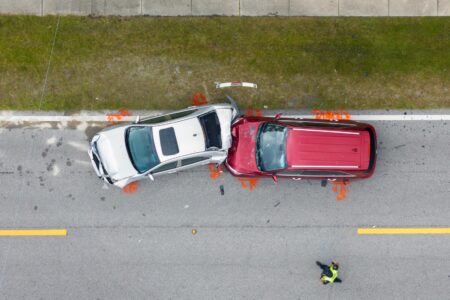

Honestly, most people who get cited for careless driving never saw it coming. You weren’t drag racing down I-435. You weren’t drunk. You glanced at your phone for two seconds, or misjudged a gap in traffic, or rolled through a neighborhood stop sign you’ve passed a thousand times. And now you’re holding a ticket, wondering how serious this actually is. More serious than most people assume. Let’s get into it.
So What Does “Careless Driving” Actually Cover?
This is where people get confused — careless driving sounds vague because it kind of is, by design.
Missouri law under RSMo § 304.012 defines it as operating a vehicle without due care in a way that puts other people or property at risk. No specific act is listed. No checklist. It’s a catch-all that covers anything from drifting lanes while adjusting your music to rear-ending someone at a light because you were distracted to rolling through a stop sign and nearly clipping a cyclist. If an officer decides your driving showed a lapse in attention or judgment that created a hazard, that’s the charge.
Kansas City officers use it regularly. It fits situations that don’t quite rise to reckless driving but clearly weren’t safe either. The broad language is intentional, and it means the charge applies to more scenarios than most drivers expect.
Careless Driving vs. Reckless Driving — Not the Same Thing
People lump these together. They shouldn’t.
Reckless driving means you knew the risk and drove that way anyway — willful disregard is the legal standard. Careless driving sits below that. It doesn’t require intent. You didn’t necessarily want to create danger; you just failed to pay enough attention or use reasonable judgment. That difference matters when it comes to how charges are prosecuted and what penalties follow.
But here’s what a lot of people miss — careless driving is still a moving violation. Still criminal at the misdemeanor level. Still adds points. Still shows up when someone runs your record. “Less serious than reckless” doesn’t mean consequence-free.
What the Ticket Actually Costs You
Fines run roughly $100 to $200 before court costs get tacked on. Two points go on your Missouri license. That sounds manageable until you look at the full picture.
Missouri suspends licenses at eight points within 18 months. If you’ve picked up a speeding ticket or any other moving violation recently, two more points can push you uncomfortably close to that threshold. And suspension creates its own mess — restricted licenses, reinstatement fees, SR-22 insurance requirements that follow you around for years.
The insurance angle is something people consistently underestimate. A moving violation gives your provider grounds to raise your rate at renewal. Depending on your history and your insurer, that increase in compounding over two or three years can quietly cost far more than the original fine. Paying for the ticket feels like a fast exit. Financially, it’s often not.
When a Simple Citation Gets More Complicated
Most careless driving cases stay at the misdemeanor level. But not all of them.
If careless driving causes an accident with injuries, the charge can escalate quickly. Prosecutors look at everything — road conditions, speed, your driving record, and the severity of what happened. A pattern of violations changes how a single incident gets treated in court. Serious injury opens the door to criminal charges that go well beyond a fine and points.
That’s when representation stops being optional. A Kansas City traffic ticket lawyer understands how these cases move through local courts — what prosecutors typically push for, where judges tend to land, and where realistic opportunities exist to change the outcome.
Where Speeding Ticket KC Comes In
Speeding Ticket KC is one of the recognized law firms in Kansas City, Missouri, handling traffic and criminal defense matters. They deal with careless driving citations regularly — for drivers who want to actually evaluate their options rather than just mail in a payment.
Their attorneys go through the specific facts of each case. Was the citation an accurate reflection of what happened? Does the evidence actually support the charge? What outcomes are realistically available — reduction, dismissal, or a negotiated result that keeps your record cleaner? No assumptions, no templates. The details of your situation shape the strategy.
Questions People Actually Search For
Is careless driving a criminal offense in Missouri?
Yes — at the misdemeanor level in most cases. It’s not a felony, but it’s not just a parking ticket either. A conviction goes on your record and stays there unless you pursue expungement later. That matters more than people realize until a background check surfaces it for an employer or a professional licensing board years down the road. If the careless driving caused serious injury or death, charges can escalate well beyond misdemeanor territory. Either way, treating it as something minor that resolves itself by paying the fine is a mistake.
How many points does this add to my Missouri license?
Two points for a standard careless driving violation, active on your record for three years. Missouri’s suspension thresholds are eight points within 18 months, 12 within 24 months, and 18 within 36 months. Two points sound small in isolation. If you’re already sitting at five or six from prior violations, it lands differently. Check your current point total before deciding how to respond to the citation.
Can the charge be reduced or dropped?
It can — and it happens regularly when someone has proper legal help. These citations are based on an officer’s interpretation of what they observed, which leaves room to challenge the account. A lawyer reviews available footage, examines the specifics of the citation, and identifies where the charge doesn’t fully hold up. Even without dismissal, reducing it to a non-moving violation wipes out the points, which is often worth more than people initially realize.
Will this raise my insurance rates?
Possibly, and often yes. Moving violations give insurers grounds to reassess your risk at renewal. Some carriers react harshly to a single violation. Others focus on patterns. Either way, a rate increase that compounds over two or three years regularly ends up costing more than the fine itself, which makes contesting the ticket a financially reasonable decision even when the citation feels minor.
What’s the smartest move right after getting cited?
Don’t pay it on autopilot — payment is an admission, and points follow immediately. Write everything down while details are still clear: road conditions, what you were doing, what the officer said, and any witnesses. Save dashcam footage before it gets overwritten. Then talk to a lawyer before your court date, not after. Realistic options shrink as deadlines approach, and knowing what’s available early gives you actual room to make a smart decision.